{ "@context": "https://schema.org", "@type": "Article", "mainEntityOfPage": { "@type": "WebPage", "@id": "https://www.bankaust.com.au/blog/{{slug}}" }, "headline": "{{title}}", "description": "{{desc}}", "image": "{{image}}", "author": { "@type": "Organization", "name": "Bank Australia", "url": "https://www.bankaust.com.au/" }, "publisher": { "@type": "Organization", "name": "Bank Australia", "logo": { "@type": "ImageObject", "url": "https://cdn.prod.website-files.com/64d5d5beb2a67e9491ecdff8/64d5d5beb2a67e9491ece00c_BA-logo-white.webp" } }, "datePublished": "{{datePublished}}", "dateModified": "{{dateModified}}" }
Skip to main content
No items found.
Back to blog
Impact

Wrapper’s delight: How compostable wrap is slashing industrial waste

Photo journal

Even if every single Australian used a KeepCup for their coffees, a canvas bag for their groceries, and took Tupperware to their favourite takeaway joints, we’d still have a lot of work to do on the sustainability front.

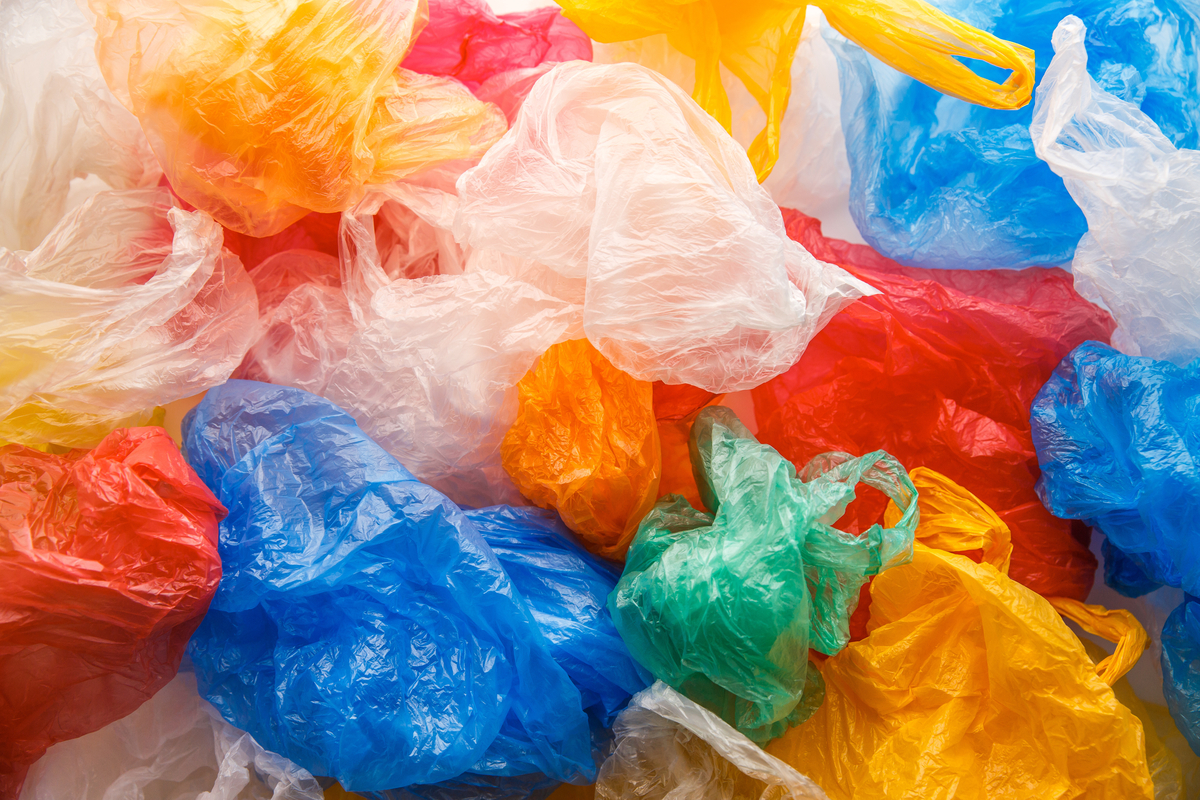
For example, let’s think about cling film or plastic stretch wrap for a sec. Sure, you might be using beeswax wraps at home, but how much cling film do you think the hospitality industry uses on any given day? How much wrap do you think wineries use to encase their pallets of wine? What about even non-hospitality businesses, who ship billions of pallets around the world each year?

The answer, of course, is a lot. A single winery, in fact, can use up to 3,500,000 metres of plastic wrap in a single year. So while using reusable alternatives at home is great – industrial waste is still a huge problem, and we need bigger and more scalable solutions if we’re really going to have an impact. Bank Australia customer Jordy Kay has one of those solutions.

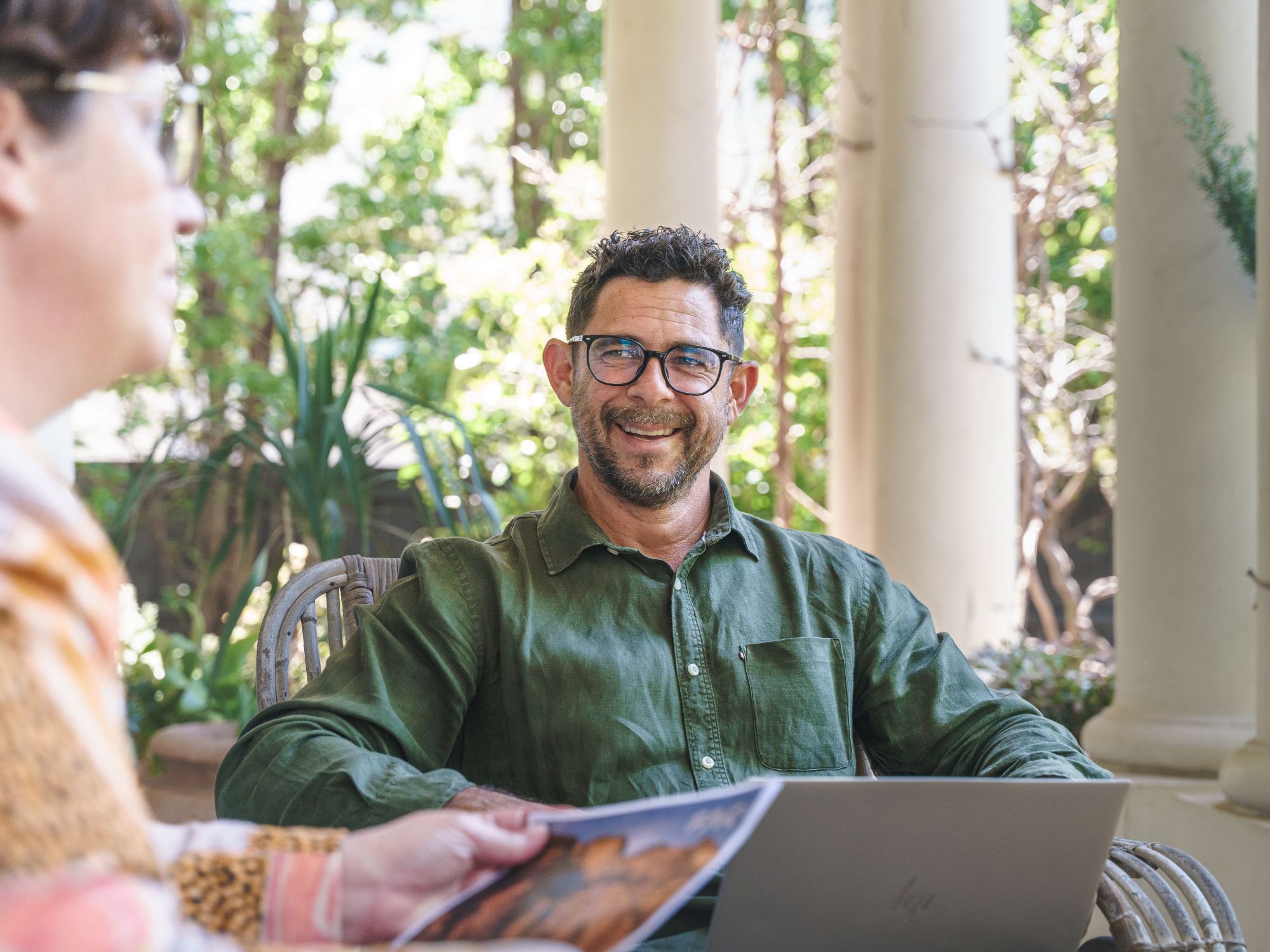
Jordy is the founder and CEO of Great Wrap, an Australian company that’s behind the world’s first compostable stretch wrap. Having started his career in the natural wine business, Jordy simply “couldn’t unsee” the staggering amount of plastic wrap the industry was churning through on a daily basis.

“The most effective way that we can solve plastic waste and plastic pollution is through working with businesses, big or small, to begin changing their impact,” says Jordy. “A lot of businesses might claim to be ‘green’, but when you look behind the curtains, there are often huge problems. So I think going B2B, like we are, is a great starting point.”

The Great Wrap product is 100% compostable, leaves no trace of residue or microplastics, and breaks down in 180 days once it’s put on the compost pile. The company’s goal is to remove one million tonnes of plastic from the environment within a year.  

In spite of there being a long battle for tangible and lasting sustainability ahead, Jordy has faith in his fellow human beings. “I genuinely believe people, by and large, are good, and I think that while companies are about maximising profit, they’re also increasingly about minimising their impact,” he says. “Sure, some of that is coming from a political angle – Australia has 2025 packaging targets that says 100% of our packaging needs to be reusable, recyclable or compostable by 2025 of earlier – but consumers are pushing for it too. Even companies like Coca Cola are genuinely trying to limit their waste.”

A passionate environmentalist, Jordy self-funded the research and creation of the Great Wrap product, which has already been picked up clients both large and small, in Australia and beyond. “It wasn’t just small businesses getting on board,” explains Jordy, “we’ve been contacted by some huge, huge companies – beauty companies, skincare, soft drink, wine, meat and dairy. There isn’t one single industry that’s reaching out to us – it’s really spread out, which is incredible.”

For each box of Great Wrap sold, Jordy estimates that they prevent 1.2 kilometres of plastic wrap entering landfill. A fact that, as far as he’s concerned, makes the decision to switch to Great Wrap an absolute “no-brainer”.

Related stories

Impact

Open Table is rescuing food waste and feeding the community

Impact

Meet the organisations supported by our 2026 community customer grants program

News

Soft plastics recycling is back in Australia: what’s changed in 2026 and how to use it

News

H5 bird flu has arrived in Australia: what to do if you see a sick animal and what it means for nature

Impact

Caring for Country: How the Nari Nari People are restoring a vital wetland

Impact

Empowering First Nations entrepreneurs: The impact of First Australians Capital

Discover how First Australians Capital is empowering First Nations entrepreneurs with culturally informed finance, business support and long‑term impact.

Learn more about First Australians Capital.

Impact

How Bank Australia’s new Impact Term Deposit works – and where your money goes

Want to grow your savings while helping fund targeted positive impact for people and the planet? Our new Impact Term Deposit could be for you.

Impact

Extreme heat in NSW rentals: Why Bank Australia is backing Sweltering Cities

We've partnered with Sweltering Cities to support renters in NSW dealing with extreme heat. Here's what the partnership involves and how you can get involved.

Impact

Native planting: Sustainability and biodiversity for your garden

Impact

How to stay warm (and keep bills down) this winter

Feel like you’re constantly trying to stay ahead of the chill in your home? You’re not alone. Whether you’re renting, renovating or just trying to cut costs, here are an expert’s practical tips on staying warm and saving energy this winter.

Impact

We're continuing our partnership with Seed Indigenous Youth Climate Network

From leadership summits to frontline campaigns, Seed Indigenous Youth Climate Network is driving First Nations-led climate action across Australia. Here's how we're supporting them.

Impact

What B Corp certification actually requires of Bank Australia and what it means for customers

Every March, B Corp Month gives certified companies a moment to reflect. Bank Australia asked our Impact Integrity Manager Renzo Mori what the certification means in practice, and what it means for customers.

Impact

Customer ownership makes banks bolder, and that’s what we need right now

In an era of climate urgency, housing stress and deepening inequality, the way our banks are structured matters more than ever. Customer-owned banking removes some of the barriers to long-term, values-driven action, and it may be the model the world needs the most right now.

News

Partnering with Environment Victoria to support household electrification

We’re proud to announce our partnership with Environment Victoria, an independent charity working to build a thriving, sustainable society that protects and values nature.

Impact

The ‘growler’ at Wirey Swamp: A long-awaited frog call in Victoria's changing landscape

Last spring, a ‘chorus’ of growling grass frogs were heard at a Nature Glenelg Trust restored wetland for the first time, a hopeful sign for the vulnerable Australian amphibian.

Impact

A beach cleanup won’t solve marine pollution. We did one anyway. Here’s why it mattered.

A firsthand look at Bank Australia’s beach clean‑up with Parley for the Oceans, exploring where ocean plastic really comes from, why systemic solutions matter, and how recycled‑plastic bank cards support a more sustainable future.

Impact

How switching to an ethical bank can help safeguard Australia’s ecosystems

On World Wildlife Day, we celebrate the species that make Australia extraordinary.

Planet

Why speedy recovery after bushfires is critical for wildlife and local landscapes

The weeks after a fire can determine whether wildlife and landscapes recover - or whether damage becomes permanent.

Impact

How Bank Australia supports people with disability

To mark International Day of People with Disability, we’re reflecting on some of the ways that Bank Australia is working to improve accessibility and inclusion across our banking, our partnerships and our impact.

Planet

Climate for Change is empowering Australians to act through climate conversations

Clara from Bank Australia & Climate for Change helps Australians talk about climate change, build confidence, and take action through guided conversations and MP engagement.