.svg)




In an era of climate urgency, housing stress and deepening inequality, the way our banks are structured matters more than ever. Customer-owned banking can remove some of the barriers to long-term, values-driven action, and it offers a model for business that benefits people and the planet.
Key takeaways
- Customer-owned banks can balance profit and purpose, and aren’t bound by an obligation to deliver financial profit to external shareholders as priority.
- That enables bold action and long-term commitment on issues that customers care about.
- At Bank Australia, customers can have their say on priorities, reflected in our commitments on nature and biodiversity, climate, housing and First Nations Reconciliation and Respect.

I don’t just work at Bank Australia. I own a part of it. And no, not through an employee share scheme, but simply by being a customer myself. If you have an account with us, you’re a part-owner, too. Each customer has one equal share, and a vote at our AGM.
It’s a detail that profoundly shapes how the bank operates, and in 2026 – when acting on social and environmental challenges is more crucial than ever – I think it’s time more people understood why.
What customer-owned banking actually means
Customer-owned banking – also known as mutual banking – is a fairly simple idea, but its implications can be quietly powerful.
In a customer-owned bank, there are no external shareholders owed maximum quarterly returns. Every customer is effectively a shareholder. Profits don’t flow to outside investors or via the ASX. Instead, they stay within the bank as member-owned funds that help build equity, support future growth and create long-term stability.
We need to make a profit to be responsible stewards of our customers’ money, but we’re not maximising financial profit at all costs. This distinction matters. Instead of asking how to extract the most dollar value each quarter, we ask how we should do business well over the long-term, and in a way that serves customers, their communities and the world we live in.
To be clear, customer ownership doesn’t automatically make a bank ethical or profitable. But being customer-owned makes it possible to run things differently. It enables bold action and long-term commitments that may be impossible to justify in a financial profit-as-priority model.
What customer ownership means at Bank Australia
Many customer-owned banks have strong community roots. The mutual sector has a long and admirable history of that. What sets Bank Australia apart is how we’ve chosen to use the freedom that customer ownership gives us, specifically who we’re doing it with.
We’ve built a community of like-minded customers who care deeply about social and environmental issues, and they’re active participants in how the bank runs. Every customer has a voice and a vote. They elect our board, vote on changes to our constitution, and their views help influence our strategy and direction.
Every couple of years, we survey around 2,000 customers to genuinely understand what matters to them. When we developed our responsible banking policy back in 2018, we validated it with customers before taking it to the board. Our customers’ priorities inform our business strategy, focused on four key impact areas: climate action; nature and biodiversity; First Nations recognition and respect; and affordable and accessible housing.
From there, we layered on questions like: What can we actually do as a bank? How can we make a positive difference? Where do we have a track record, and what does society expect from us? But customer input remains our touchstone – our foundation.
We’re also a B CorpTM and were the first Australian member of Global Alliance for Banking on Values. While they’re great badges of honour, they’re also commitments that help hold us to account for making a positive impact.
Customer ownership encourages boldness
This is where I think the story gets interesting for our current moment. In 2026, customer ownership lets us do positive things, but more importantly, it lets us do brave things. The kind of long-term and sometimes uncomfortable commitments that could be hard to justify around the boardroom of a traditional financial institution.
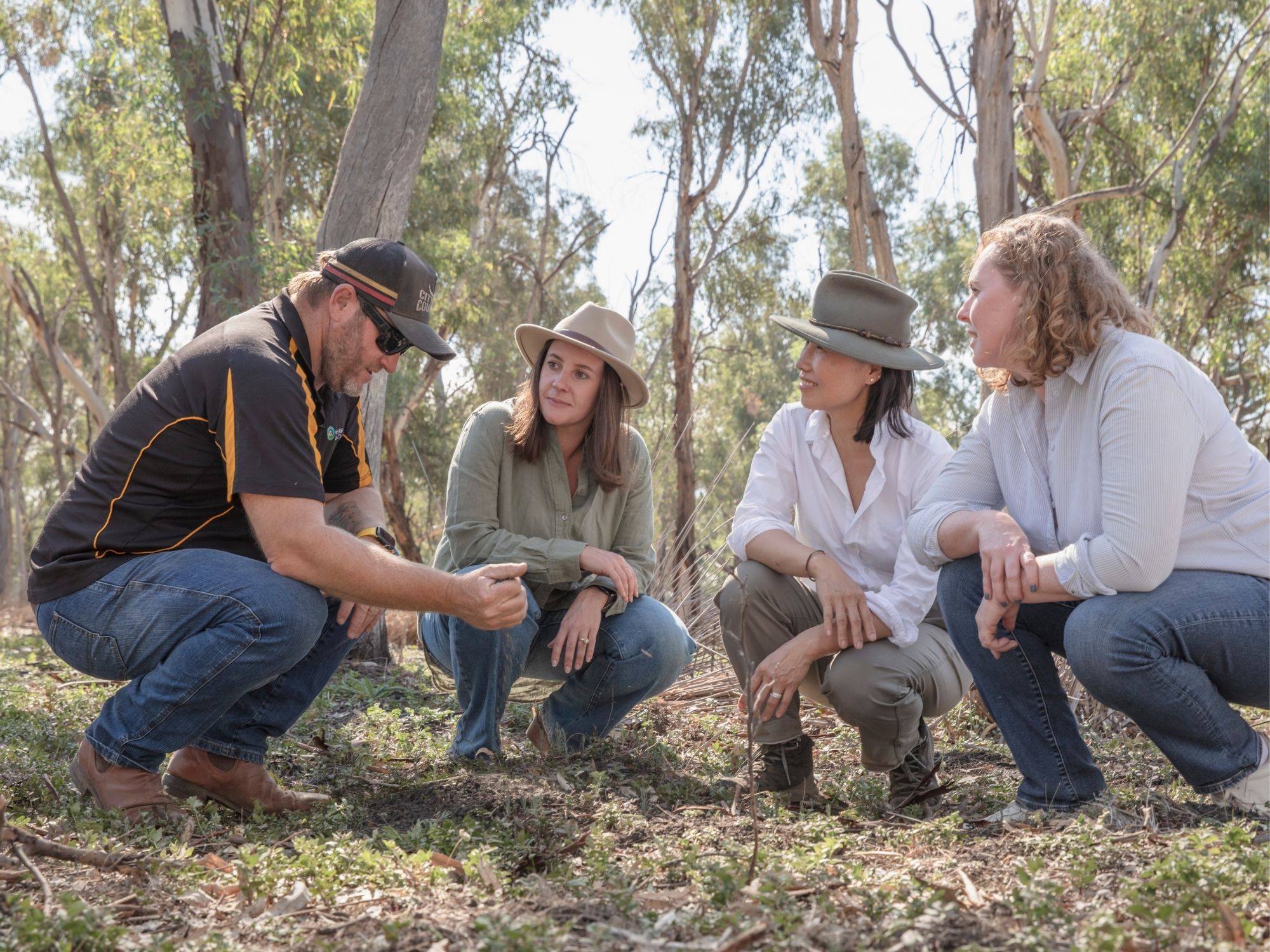
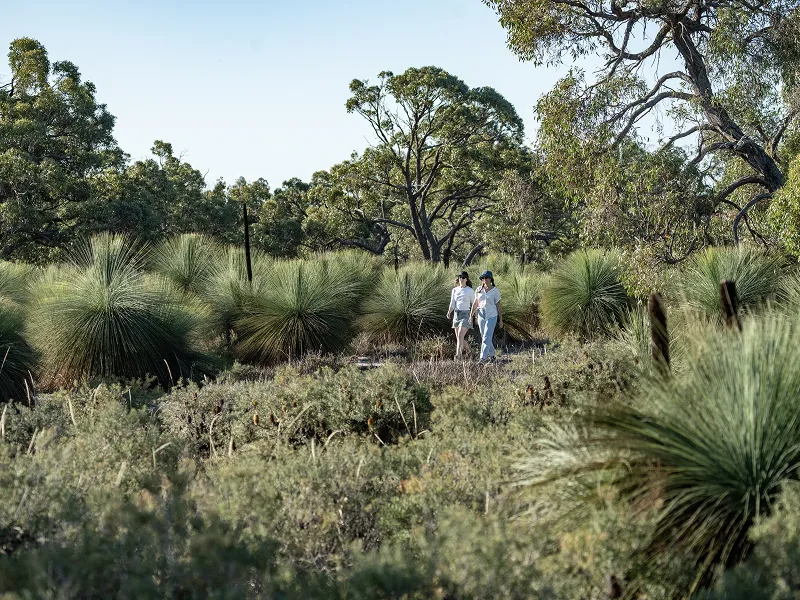
Take our conservation reserve. Bank Australia was the first bank in the country to invest in land conservation this way, purchasing the first property in 2008 (way back before nature was “cool”!). Today, we care for over 2,100 hectares in western Victoria on Wotjobaluk Country, in partnership with Trust for Nature and with guidance from Traditional Owners represented by Barengi Gadjin Land Council.
This work requires patience and persistence, and is producing results. In 2023, a large-scale monitoring program found canopies in revegetated woodlands had increased by around 20% over the previous 5 years, which enhanced habitat for many animals, including the adorable western pygmy possum. Monitoring recorded 9 threatened fauna species across the reserve, including the impressive South-eastern Red-tailed Black-Cockatoo. This was just one of 113 unique bird species, with many of those found in restored woodland areas.
Being customer-owned has allowed us to stay the course in caring for the conservation reserve for almost two decades, because we know protecting nature matters to our customers.
The same is true for climate action. Climate is consistently one of the top issues our customers care about, which has enabled us to make bold decisions, from offering Clean Energy Home Loans to ending car loans for new fossil fuel vehicles.
Or take our commitment to philanthropy. Up to 4% of our after-tax profit goes into our impact fund, supporting customer grants for not-for-profit organisations (a program now in its tenth year and having provided over $2 million in grants), as well as the conservation reserve and strategic partnerships across our four impact areas.
But one of our most powerful levers is our core business – how we lend and invest as a bank is one of the biggest ways we can drive the change our customers want. Our responsible banking policy clearly sets out what we do finance – like our everyday customers, the clean energy transition, accessible housing; and, importantly, what we don’t, like the fossil fuel industry, live animal exports, tobacco and the arms industry.

Why this matters now
There’s a growing gap between what the planet and our communities need and what most financial institutions are willing to do. For most banks, the pressure to deliver shorter-term returns and satisfy external shareholders makes it structurally difficult to move quickly or commit deeply to the issues that matter most.
Customer-owned banking isn’t a silver bullet, but it does remove some key barriers to doing business boldly. With the climate crisis intensifying, housing affordability tightening and the need for reconciliation more urgent than ever, we need institutions set up to respond.
Every day at Bank Australia, the question I ask myself and my team is: how would our customers want us to act on this? Being able to ask that question – and doing our best to deliver on the answer – is both a huge privilege and responsibility. It’s what customer ownership makes possible, and it’s a model I believe could benefit many businesses.
Head to our customer owned banking page to find out more about what this means for our customers.

-1200x800-5b2df79.jpg)