


.svg)


Many native plants don't ask much of you. According to experts, they evolved for Australian conditions: the soils, the rainfall, the seasons.
A common reason people don't plant native species is the assumption that they're doing it wrong before they've even started, explains Paul Donatiu, who manages the Queensland Threatened Plant Network at Plant Conservation Australia.
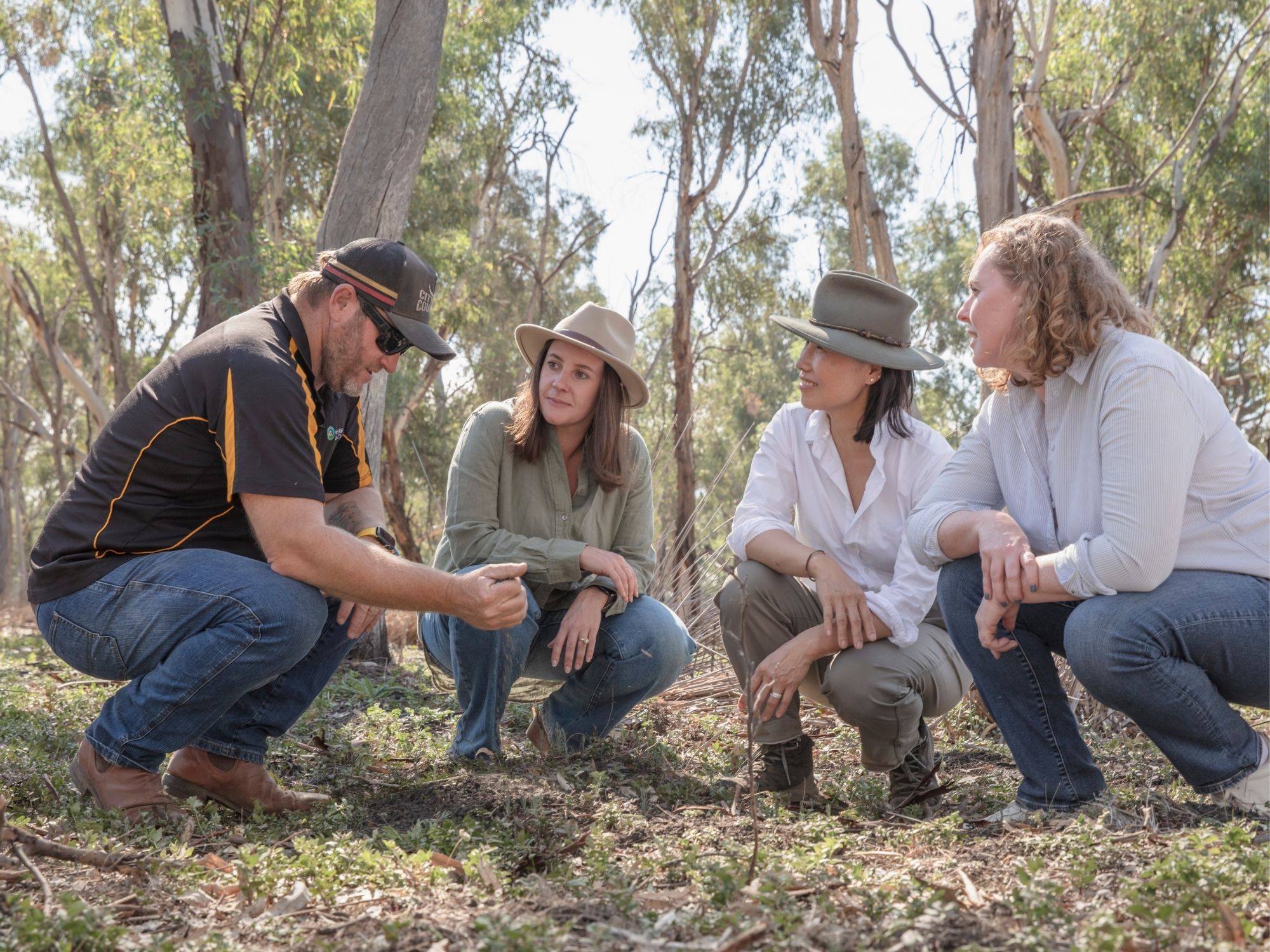
"A little understanding of your local conditions goes a long way," says Richie Southerton, Communications Manager at Plant Conservation Australia, a not-for-profit working to prevent the extinction of native species and a recipient of a Bank Australia's community customer grants.
Your local native plant society or council nursery program is a good starting point, as is Plant Conservation Australia's practical guidance on growing natives in your area.
And the rewards come sooner than most people expect, according to Camille Goldstone-Henry, Bank Australia's Nature and Biodiversity Manager.
"What surprises many people is how quickly wildlife responds when you give it a chance."
"A single native plant can attract a bee. A few plants together and you might start noticing birds you haven't seen before.
“Nature often doesn't need much of an invitation once it’s got somewhere to land."
Why native plants might be easier than you think
Australian native plants are adapted to our naturally low-phosphorus soils, says Paul.
"On average, they require less fertiliser and fewer pesticides, and many are drought tolerant once established," he explains.
"Many can support themselves on minimal water once they're settled in, which matters increasingly in a hotter, drier climate."
They also tend to reward gardeners in ways exotic species don't.
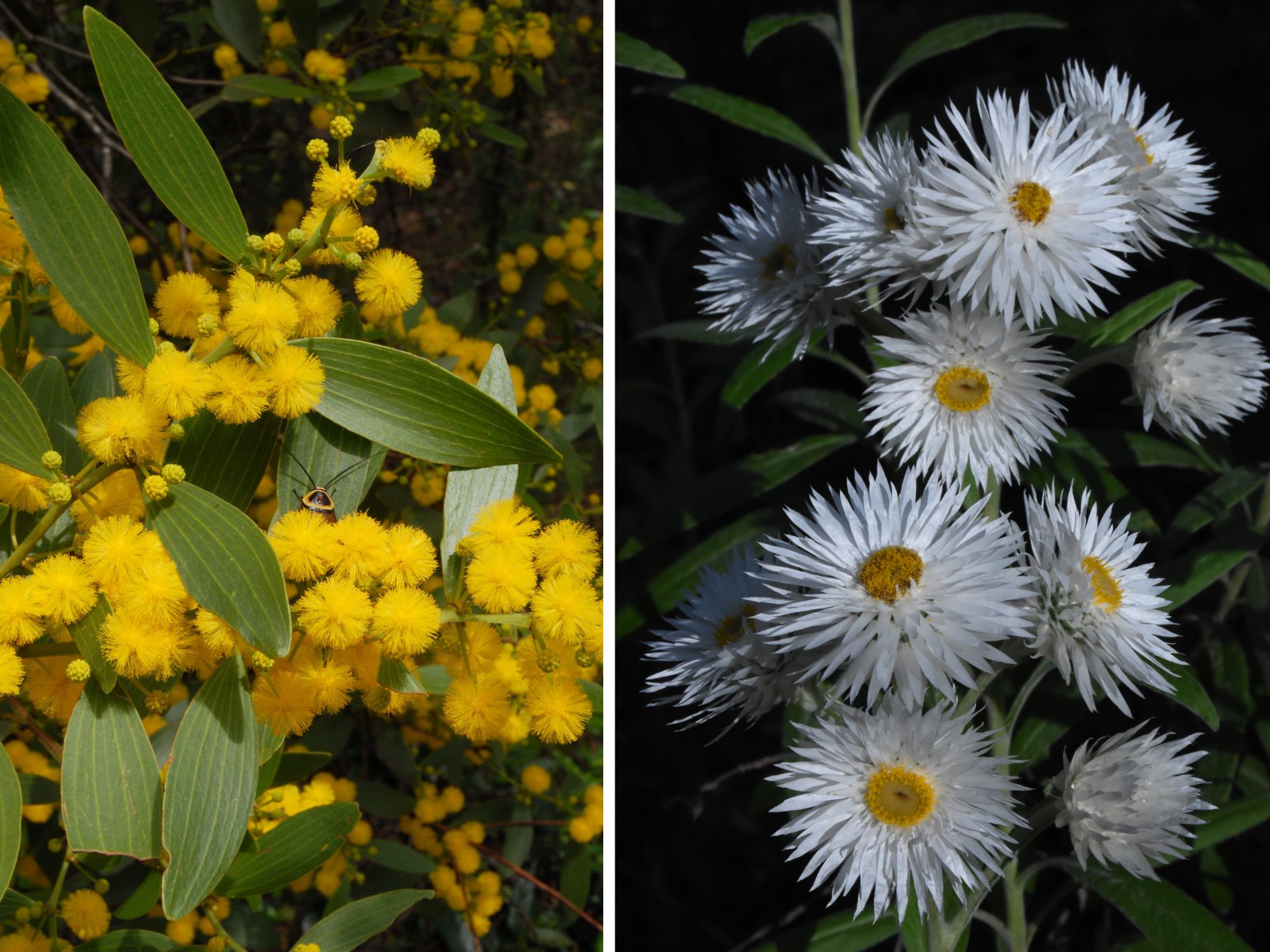
"Many produce spectacular flower displays through winter and spring, exactly when birds and native insects need food most.
“Even a small native planting can attract native birds and pollinators that exotic gardens rarely see."

2 native gardening misconceptions worth clearing up
Richie and Paul tell us:
- You don't need a large space
Almost any native can be grown in a pot for several years, provided you use a low-phosphorus native potting mix. A balcony garden can support bees and even attract birds.
- You don't need to be an expert
The most important thing is to have a go, experiment and find out what works locally for you.
Many native plants have flowers rich in pollen and provide food through winter and spring, exactly when birds and insects need it most.
Even a small native planting does things a person might not expect, according to Richie.
"Even a relatively modest planting effort can have real ecological value.
“What surprises many people is how quickly wildlife responds once the plants are in the ground."

4 things worth considering when planning a garden
Choose locally native species
Plants native to your specific region are adapted to local soil and rainfall conditions, and support the wildlife that evolved alongside them.
A Sydney garden benefits from different species than a Brisbane garden, even if both are technically 'Australian natives', Richie explains.
Local native plant societies and council nursery programs are a good starting point and are often significantly cheaper than commercial garden centres.
Skip the traditional fertiliser
Most Australian native plants are adapted to low-nutrient soils and will struggle with excess phosphorus, Paul explains.
He says that most will benefit from a rich deep mulch that replicates the litter layer in the bush.
Think in layers
A mix of planting heights creates habitat structure, not just a garden bed, Richie says.
Taller flowering species provide food and shelter for birds; dense ground covers support insects and small creatures.

Reconsider the lawn
A traditional lawn, while great for a bit of cricket, offers very little to local wildlife.
Native tussock grasses and low-growing herbs are a more pollinator-friendly alternative, and better suited to a hotter, drier climate, explains Richie.
Even replacing a section of lawn is a meaningful start.
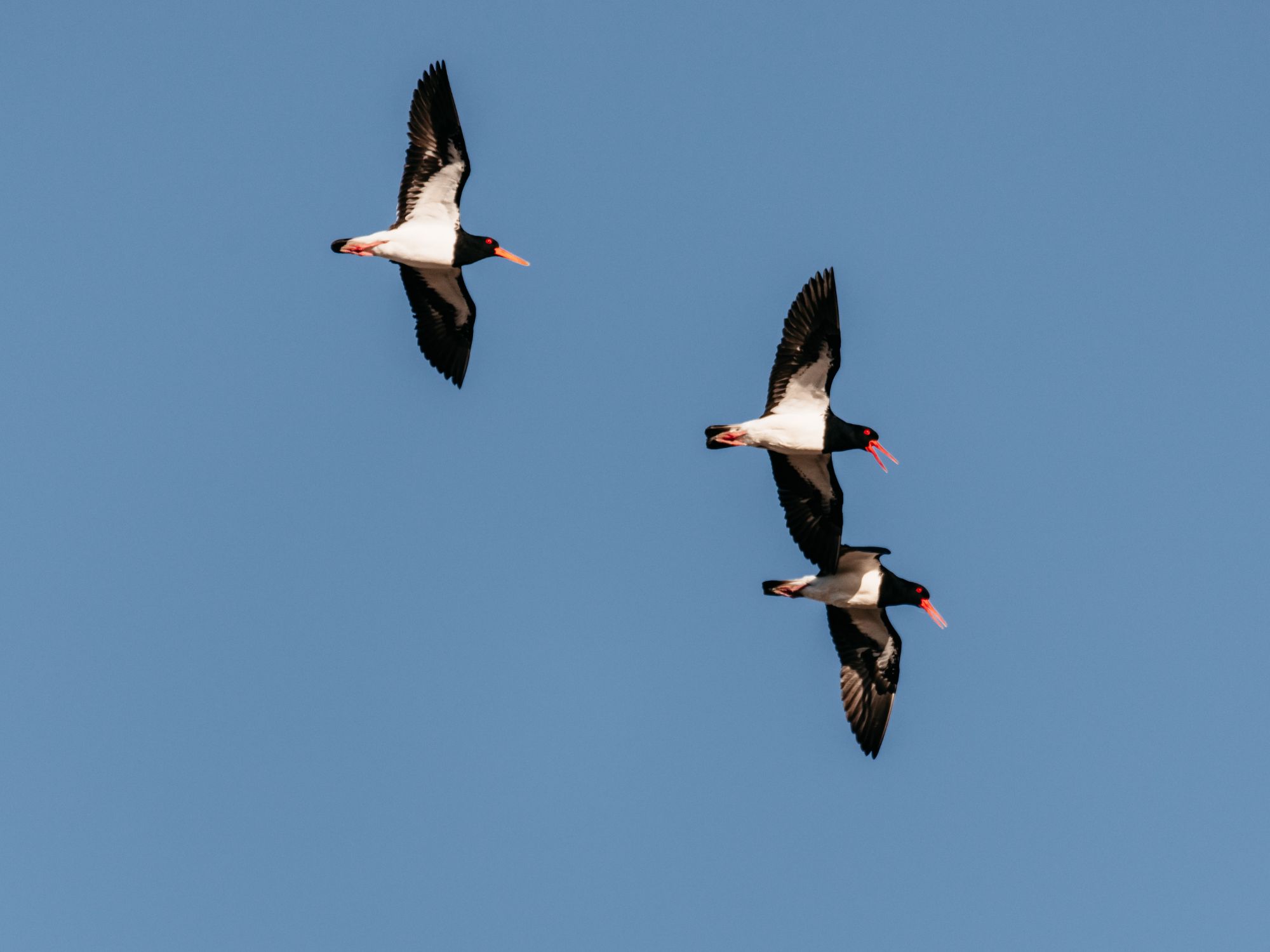
"Native plants provide habitat for all kinds of local wildlife: birds, bats, bees, a wide variety of insects.
“People are often surprised by what starts turning up once a garden has a bit more structure to it. It doesn't take a large space," explains Paul.
"Even a balcony planting can make a difference. What matters is that the plants are there and that they're suited to where they're growing."
-1200x800-5b2df79.jpg)

LiamNeal-03695-1200x800-5b2df79.jpg)