.svg)




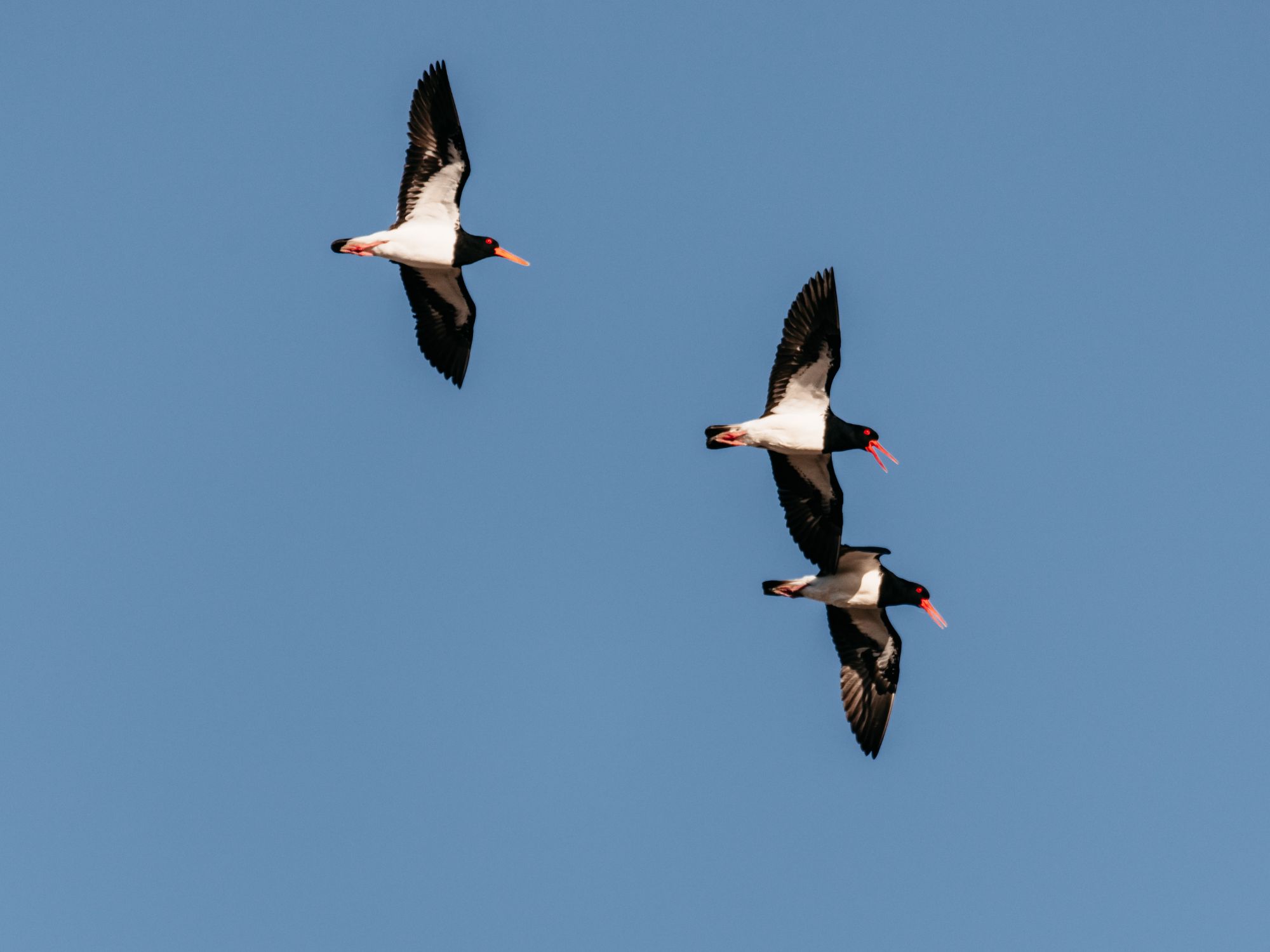
On World Wildlife Day, we celebrate the species that make Australia extraordinary.
But there may be an uncomfortable truth behind the celebration.
Most Australians don’t realise their everyday bank account could be funding industries linked to fossil fuel expansion.
It's an industry linked with increased environmental pressure, including risks to habitats and biodiversity.
Why more Australians are questioning who they bank with
Many of us don’t think about our bank accounts beyond interest rates and direct debits.
But banks don’t just store money.
They use customer deposits to fund loans, and those loans shape industries, infrastructure and land use.
However, there’s a shift happening amongst Australians who care about the impact their money has.
According to the 2024 Responsible Investment Association Australasia report, assets managed under responsible investment strategies in Australia now exceed $1.5 trillion, reflecting continued growth in demand for ethical and sustainably focused finance.
Australians aren’t just changing what they buy, they’re changing who they bank with.
What ethical banking looks like in practice
Ethical banking isn’t about eco slogans, it’s about decisions, Camille explains.
“Bank Australia is working towards a nature-positive economy where biodiversity is protected and wildlife is thriving,” says Camille.
“We do that by investing, lending and supporting projects in areas that our customers tell us they care about, one of which is nature and biodiversity.”
What Bank Australia customers are helping to support
A conservation reserve in Western Victoria
As a customer, you help care for a 2,117ha conservation reserve on Wotjobaluk Country.
It protects:
- 283 native animal species
- 251 native plant species
- 10 threatened plant species
- 9 threatened animal species
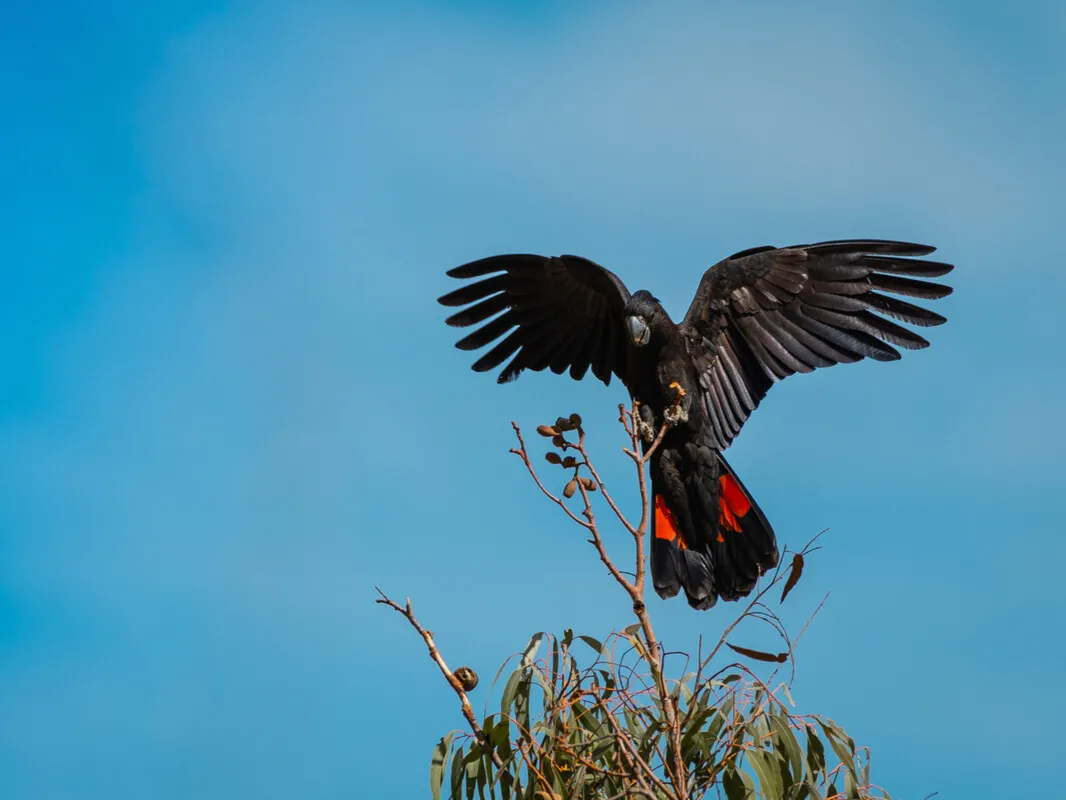
This includes the south-eastern red-tailed Black-cockatooo, which relies on threatened buloke trees for food.
“Protected land matters because it gives wildlife somewhere to go as climate pressures change,” says Camille.
“For some species already under stress, that stability can determine whether they survive the next decade.”
If you're looking for some positive news, here are three good news stories from our nature reserve.
Community grants that back local conservation
Not all impact happens on one property.
Community customer grants have supported projects around Australia, from rewilding in SA to habitat protection for Carnaby’s cockatoos in WA.
Instead of centralising impact, funding supports grassroots organisations already embedded in their communities, which spreads care, knowledge and ecological resistance.
Why this matters now
Over the past 50 years global wildlife populations have declined by around 73%, according to the 2024 World Wildlife Fund Living Planet Report. This can feel overwhelming.
But not every response has to be a dramatic one.
“When we choose a bank that invests in restoring nature, our everyday finances become a quiet but powerful force for ecological renewal and a healthier, more resilient world,” says Camille.
Switching banks won’t save a species on its own. But it does shift capital, and capital shapes some of the biggest outcomes.
Share this with someone who loves Australia’s wildlife so they know their money can help protect it.
LiamNeal-09381-1200x800-5b2df79.jpg)

-1200x800-5b2df79.jpg)