.svg)


.jpeg)


Today Bank Australia became the first bank in the country to switch to 100% renewable electricity. We have achieved this milestone one year ahead of our 2020 target.
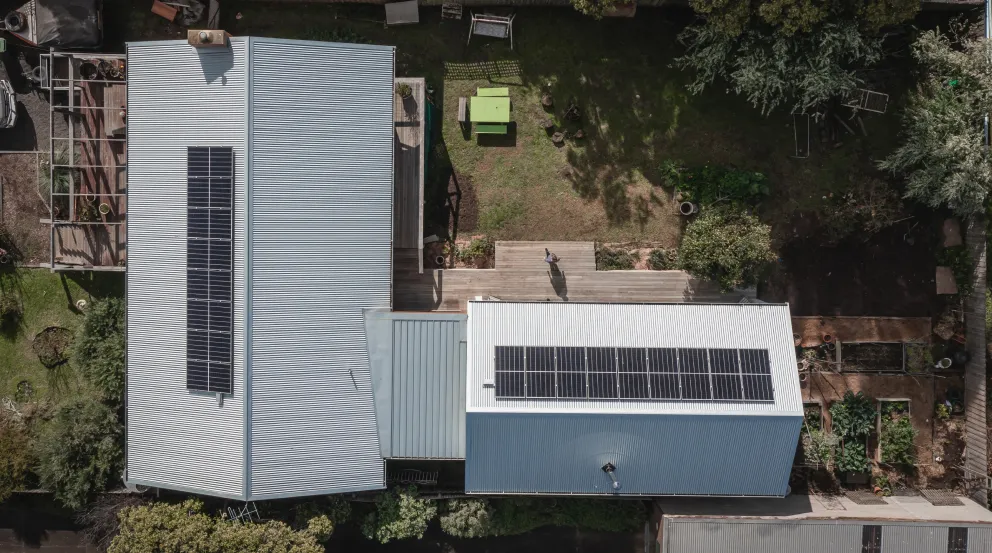
The switch – which sees Bank Australia’s entire operations running on renewable electricity – has been made possible through the installation of rooftop solar at our head office in Melbourne and National Contact Centre in the Latrobe Valley, and entering into a 10-year agreement with renewable energy developer Pacific Hydro as part of the Melbourne Renewable Energy Project.
Pacific Hydro’s Crowlands Wind Farm in Western Victoria forms part of a power purchase agreement with the Melbourne Renewable Energy Project group, a first of its kind in Australia where 14 organisations from a mix of industries came together in a group tender for renewable electricity.
Damien Walsh, Bank Australia Managing Director, said that he was proud to see the bank achieve the goal it set in 2015 of switching over to 100% renewable electricity.
“Being the first bank in Australia to switch to 100% renewable electricity is a huge achievement for us. Our customers have told us they want to see clear action on climate change, and we’re pleased to show how business can lead on climate,” said Damien.
“By running on 100% renewable electricity, we’ll be avoiding 780 tonnes of carbon emissions per year, which is the equivalent to taking 232 cars off the road,” said Damien.
Bank Australia is a member of RE100, a global business initiative led by the Climate Group in partnership with CDP, that brings together influential companies committed to 100% renewable power.
Sam Kimmins, Head of RE100, The Climate Group, said, "Congratulations to Bank Australia on reaching its RE100 goal so quickly – this is a leading financial institution seizing the big investment opportunities of the future. Partnering with others to buy wind power at an affordable price is a model used by leading businesses around the world. With benefits ranging from lower risk to increased global competitiveness, we expect many more Australian companies to get going on the path to 100% renewable power."
Jon Dee, RE100 Australia Coordinator, who is helping The Climate Group with the development of RE100 in Australia, said, "As the first Australian member of RE100 to achieve a switch to 100% renewable electricity, Bank Australia has set a really positive example. They’ve increased the use of wind and solar power and at the same time they'll save money on their energy bills. They're showing other Australian companies that renewables are beneficial for the bottom line as well as the environment."
Bank Australia intends to share its learnings on switching to 100% renewable electricity with other companies to help speed the energy transition in Australia.
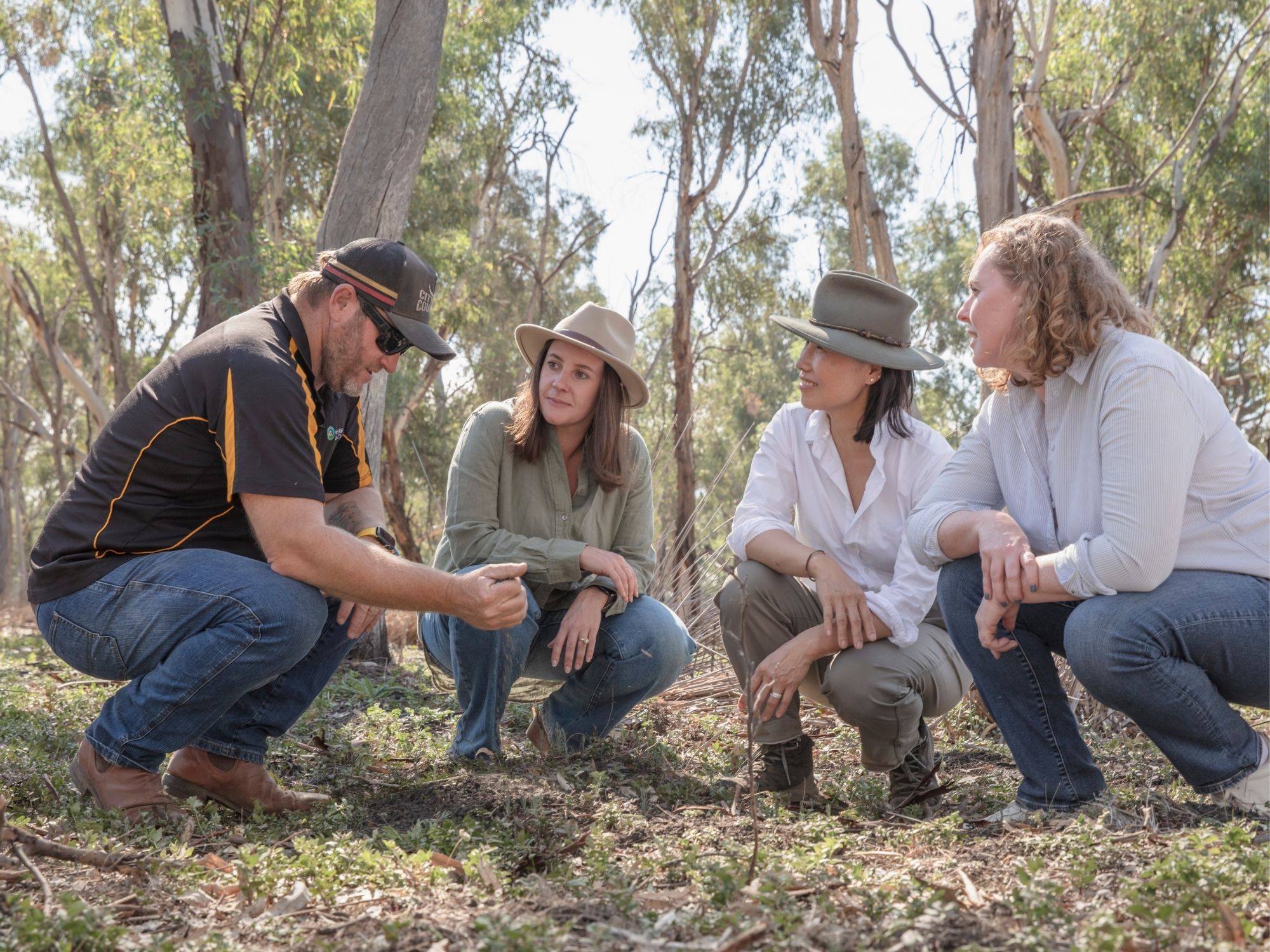
Running on 100% renewable electricity adds to Bank Australia’s existing actions on climate change, which include being carbon neutral,* and managing the Bank Australia Conservation Reserve – a nature reserve owned by the bank’s customers that protects and restores native habitat.
Image: Crowlands Wind Farm (Credit: Pacific Hydro)
*Note - As of July 2026, Bank Australia is no longer carbon neutral and has exited the Climate Active program, in line with our evolving approach to climate action.
LiamNeal-00375.jpg)
LiamNeal-02225.jpg)


LiamNeal-00426.webp)


.webp)
LiamNeal-03695-1200x800-5b2df79.jpg)





.webp)