

.svg)


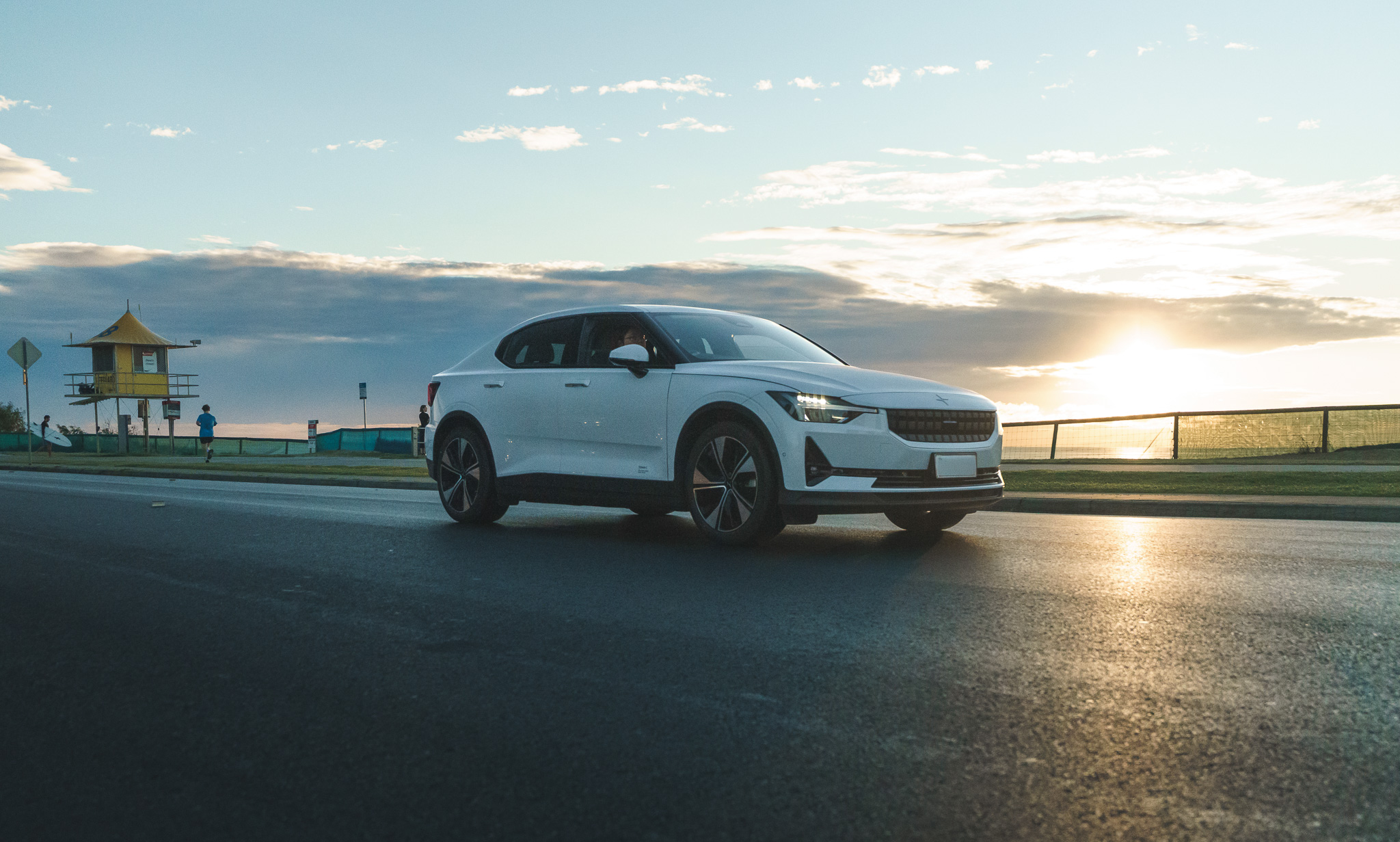


If you've been considering buying an electric vehicle, Bank Australia’s EV car loan could make it more accessible than you think.
Why 2026 has been a turning point for EVs in Australia
Conflict in the Middle East pushed automotive fuel prices up 32.8% in March 2026, according to the ABS, 10.7% higher than the previous peak in September 2023.
The federal government has stepped in with temporary fuel excise relief, but underlying price volatility driven by global oil markets remains.
At the same time, EV sales jumped 40% in Q1 2026.
In March 2023, just two models were available to purchase for under $50,000 in Australia.
As of May 2026, RACV claims there are now more than a dozen options available.
New EVs now start from around $25,000, within a few thousand dollars of the cheapest new fossil fuel car on the market in May 2026.
Demand for EV finance is up considerably according to the Electric Vehicle Council.
If you're considering making the switch, and you're wondering whether a dedicated car loan is worth looking into, here's what you need to know.
What is an EV car loan?
An EV car loan is a type of car loan specifically for buying a fully electric vehicle, rather than hybrid, petrol or diesel.
Because it's often intended to incentivise EVs, it typically comes with a lower interest rate than a standard personal loan.
Bank Australia's Electric Vehicle Loan covers new and used fully electric cars and motorbikes, with one simple fixed interest rate, no establishment fee and no early repayment penalty.
You can find current rates, eligibility details and apply in the link above.
Why Bank Australia offers an Electric Vehicle Loan
Passenger cars and light commercial vehicles alone contribute 60% of Australia's transport emissions and over 10% of Australia's total emissions, according to the Department of Climate Change, Energy, the Environment and Water.
Electric vehicles are a ready-to-deploy technology that can make a fast contribution to Australia's climate goals.
Bank Australia ceased car loans for new fossil fuel vehicles in 2025 as part of its climate action commitments, and the Electric Vehicle Loan is how we support customers making the switch.
What does it cost to own an electric vehicle in Australia?
Anyone who’s owned a car knows the purchase price is only part of the picture. Fuel, servicing, insurance and registration all add up.
However, most EV owners find their fuel and servicing costs are lower than they were with a petrol or diesel car according to Swinburne University of Technology Professor of Transport Technology and Sustainability, Hussein Dia, in a recent article published on The Conversation.com.
RACV says in their 2025 cost comparison guide that electricity is cheaper per kilowatt than petrol, and EVs have fewer moving parts and no oil to change, no timing belt, no exhaust system, which can mean lower servicing costs over time.
Buyers should know that registration, insurance and CTP costs vary by state and vehicle, just as they do for any car.
How does charging an electric vehicle work?
One of the most common concerns for people considering an EV is charging, whether there's enough infrastructure, and how practical it is day to day.
Here's what the experience looks like according to those with lived experience:
Charging at home
For most EV owners with home charging access, more than 80% of charging takes place at home, typically overnight, according to the Electric Vehicle Council.
"But if you're just driving around in town doing city jobs, one charge might last you a whole week," says Dean Chase, a Bank Australia customer who made the switch to an EV back in 2022.
If you own your home and are considering installing a home charger, Bank Australia's Clean Energy Home Loan Renovate counts an EV charger as an eligible green upgrade.
Read more about whether your home could qualify for a reduced home loan rate.
Range anxiety and public charging in Australia
It's one of the most common concerns about switching to an EV, often called "range anxiety", and the data suggests it's less of a barrier than it used to be.
As of early 2026, Australia has over 5,000 public EV charging sites, comprising a mix of fast DC chargers and slower AC destination chargers, according to all-electric car-sharing platform Evee.
Most newer EVs support fast DC charging at compatible public stations, which can take a battery from near-empty to 80% in around 30 minutes, with some even faster.
"An unexpected benefit is the ease and convenience of charging,” says Sue, a regional Bank Australia customer, EV owner and frequent traveller.
“Yes, it takes a few minutes longer than filling up with petrol, but the locations tend to be more convenient such as in shopping centre car parks or main streets with nearby cafes."
“Most are open all hours, payment is via app, and real-time charger status is available at a glance via multiple apps, so time spent queuing is minimal".
Government incentives for buying an EV in Australia
Federal and state government incentives for EVs vary and are updated regularly.
Stamp duty and reduced registration
As of writing, stamp duty waivers and registration discounts are among the incentives currently available in various states and territories.
Novated leases
If you purchase an EV through a novated lease via your employer, you may also benefit from a fringe benefits tax exemption.
Eligible fully electric vehicles are currently FBT-free under a novated lease, meaning the finance and running costs can be drawn from your pre-tax salary.
May 2026 Federal Budget update for EVs
The May 2026 Federal Budget confirmed this exemption will be phased out gradually.
Full FBT exemption continues for EVs priced under $75,000 until April 2027, after which a 25% FBT discount applies.
From April 2029, all EVs move to the 25% discount.
Existing novated lease arrangements are grandfathered at the rate that applied when the arrangement started.
You can read the full details on the ATO website.
Tax rules are complex and individual circumstances will vary – speak to a financial adviser for guidance specific to your situation.
Ready to explore an EV car loan?
Visit the Bank Australia Electric Vehicle Loan page to see current rates and apply in under 10 minutes
You can also join thousands of satisfied customers across Australia who choose Allianz for their car insurance.
LiamNeal-09381-1200x800-5b2df79.jpg)
LiamNeal-02154-1200x800-5b2df79.jpg)
LiamNeal-04850-1200x800-5b2df79.jpg)






LiamNeal-0224-1200x799-779f864.jpg)







.webp)
