.svg)


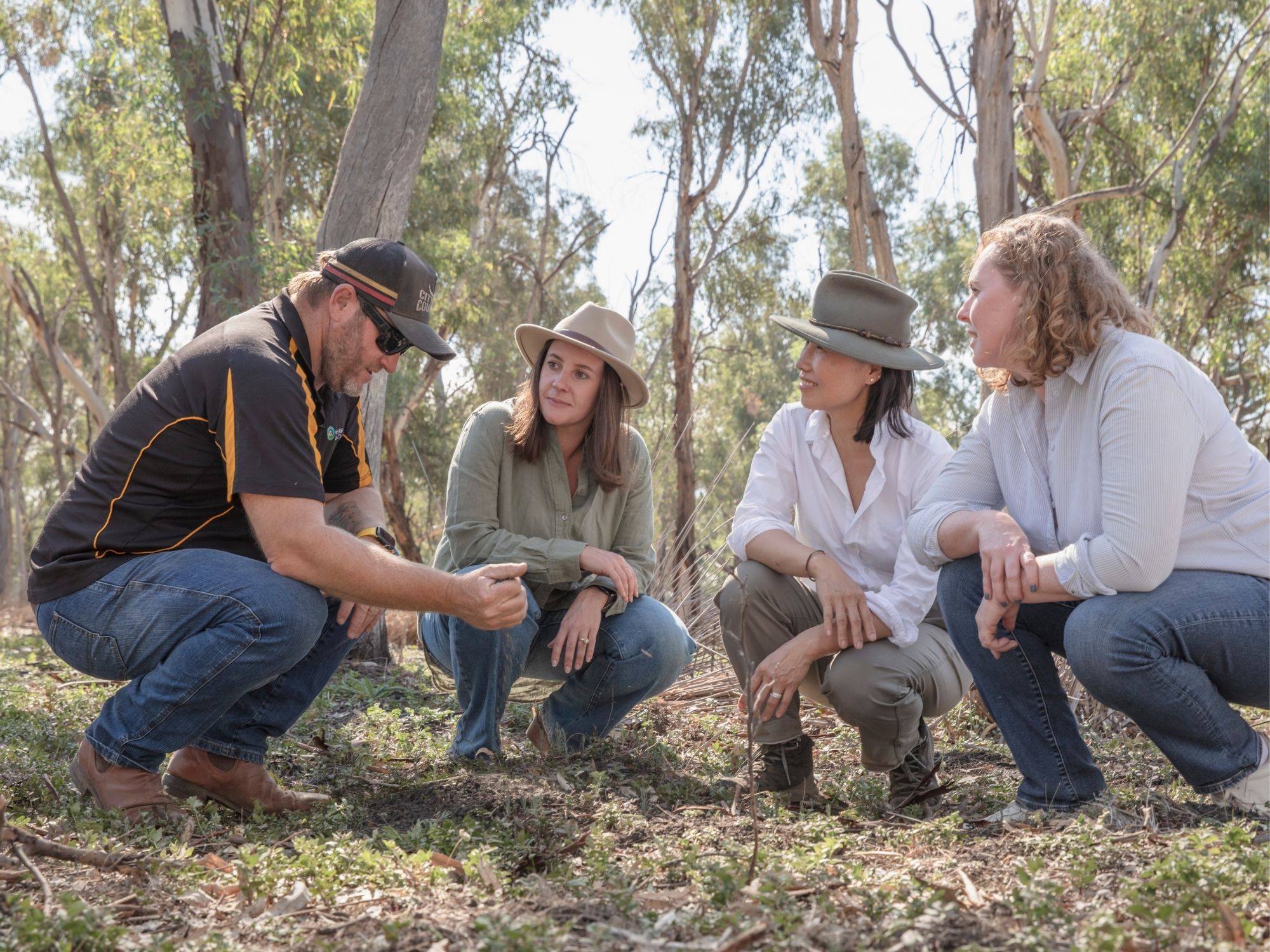


A landmark impact lending partnership is supporting the Nari Nari Tribal Council to restore and protect the Great Cumbung, one of Australia’s most significant and complex wetland systems.
Key takeaways
- In a milestone 25 years in the making, the Nari Nari Tribal Council has acquired the Great Cumbung – 34,000 hectares of significant wetland Country – for ongoing protection and restoration.
- Freshwater wetlands are a critical tool to help protect biodiversity and mitigate climate change.
- This acquisition was supported through a $15 million impact loan from Bank Australia and commitment from the Clean Energy Finance Corporation.
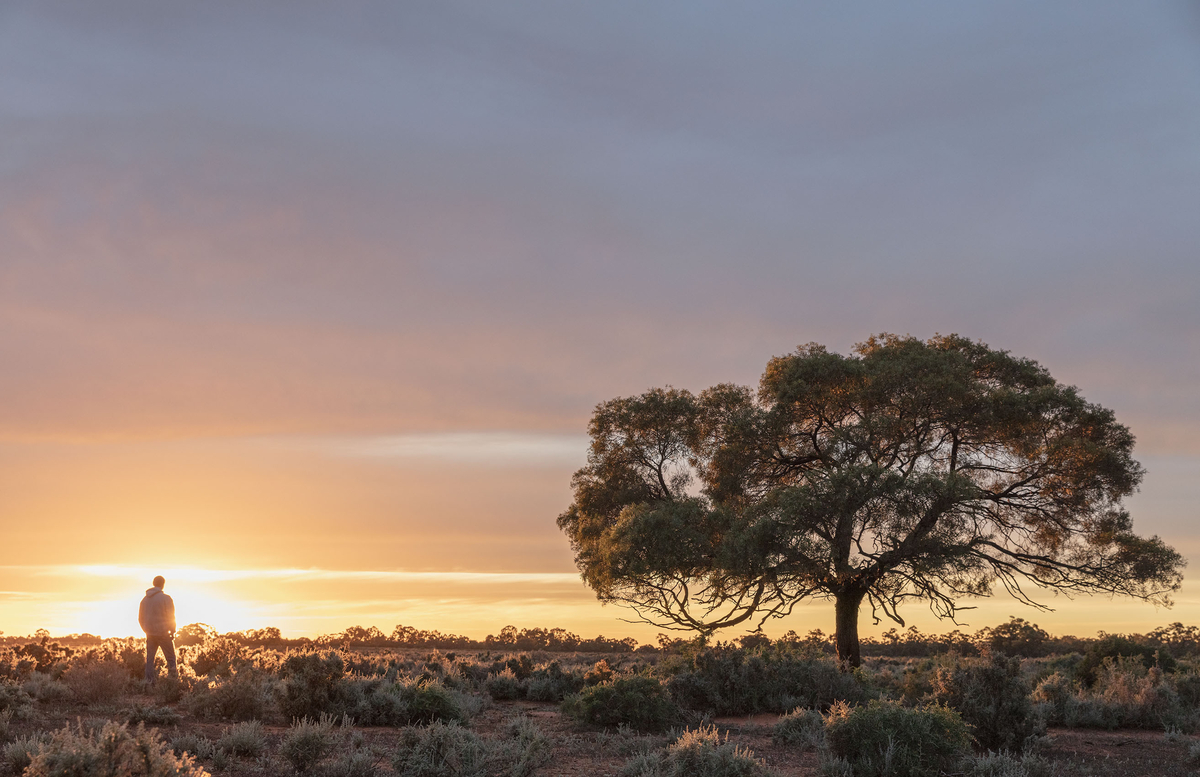
In south-west New South Wales, where the Murumbidgee and Lachlan Rivers meet, the Great Cumbung stretches across 34,000 hectares of floodplains, river red gums and native wetlands.
But for the Nari Nari People, it’s much more than an ecosystem.
It’s Country. It’s belonging. Alive with cultural memory, connection and responsibility to future generations.
Now, after working towards this moment for 25 years, the Nari Nari Tribal Council has acquired Juanbung and Boyong Stations, securing the Great Cumbung for long-term conservation, restoration and continued Indigenous-led stewardship.
It’s a landmark project made possible through a partnership between the NNTC, Bank Australia’s impact lending team, and the Clean Energy Finance Corporation (CEFC).
A 25-year journey to protect the Great Cumbung
For decades, the NNTC has been working to secure and protect the Great Cumbung.
The wetland sits alongside Gayini, a 90,000-hectare sister property across the river that’s already owned and managed by the NNTC.
Together, these two sites form one of the largest and most significant areas of First Nations-led stewardship in Australia. They are a tangible example of what caring for Country looks like in practice: physically, culturally and economically.
"This commitment has great significance for the Nari Nari people, it has been 25 years in the making. The Great Cumbung is not just land – like its sister across the river Gayini, it’s unique. It is Country, carrying deep cultural and ecological meaning for our community.
Securing its future means we can restore and protect this extraordinary landscape for generations to come, with the support of like-minded partners who share our vision.”
– Jamie Woods, NNTC Chair
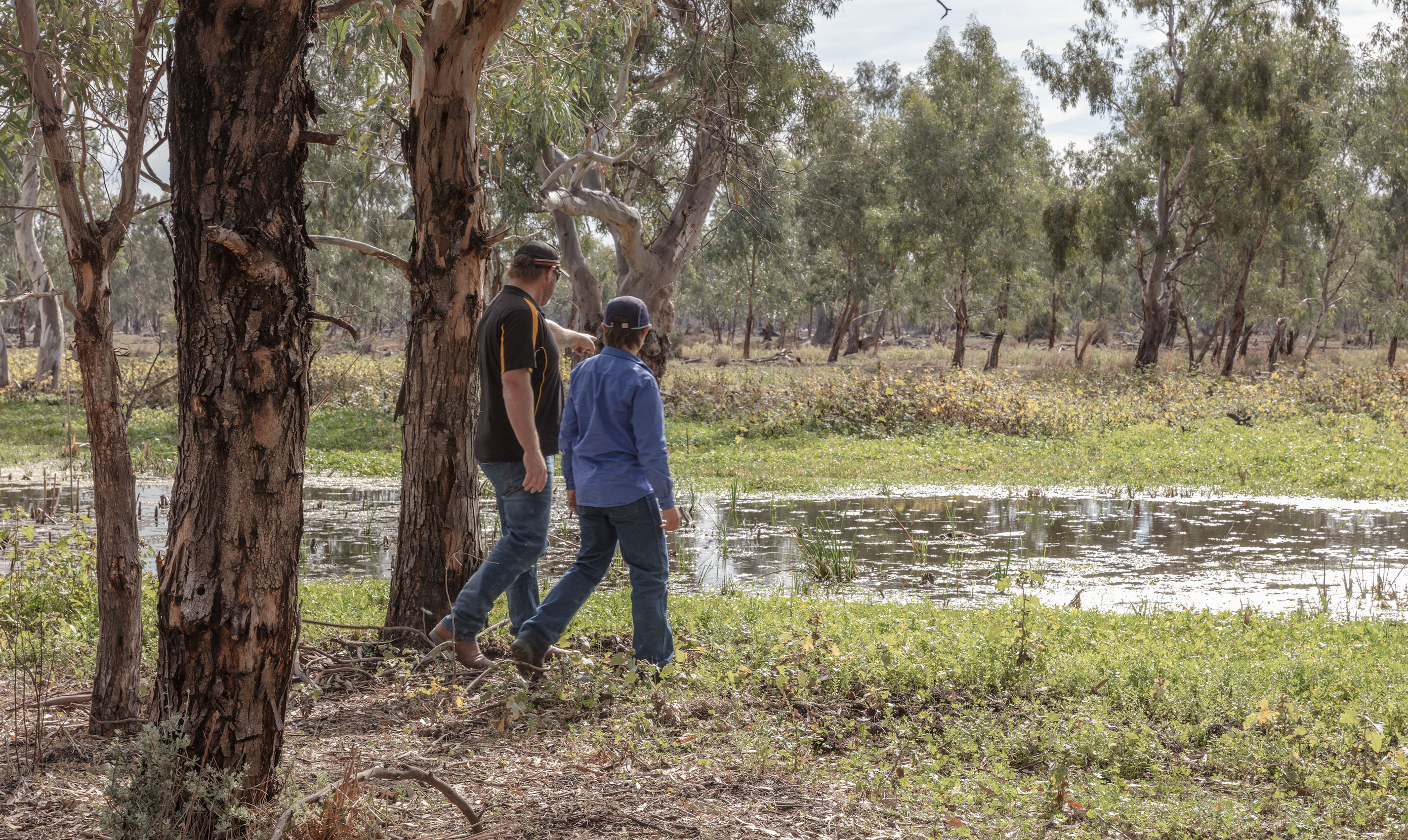
The acquisition means the NNTC can commence their long-term project of conservation and restoration across the site, including:
- Removing floodplain barriers
- Regenerating native wetland and woodland systems (including river red gum, blackbox and mallee tree species)
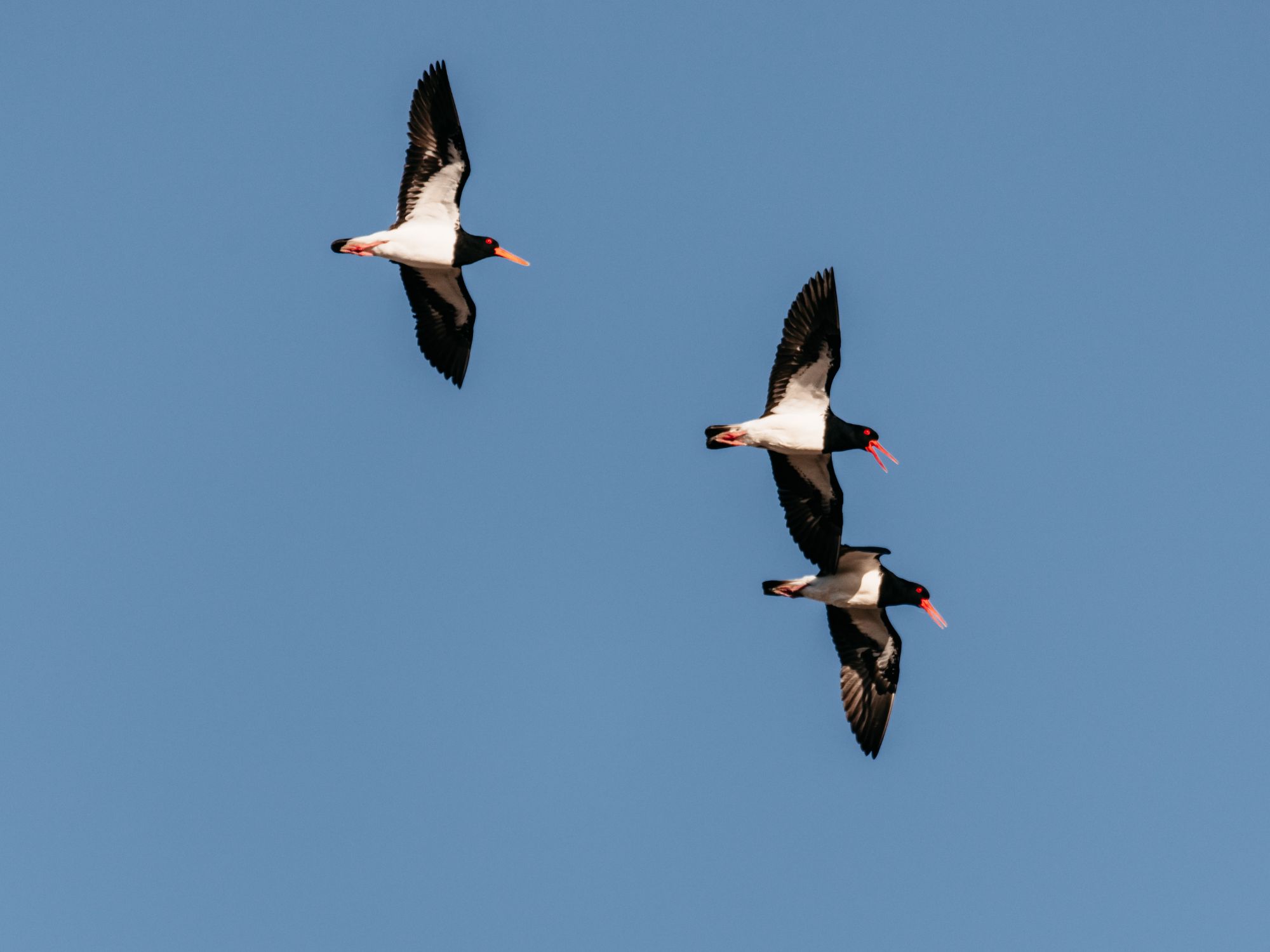
- Protecting habitat for threatened species, including the Australasian Bittern and Australian Painted Snipe
Importantly, it also ensures the area’s native forest will be retained in perpetuity.
Why wetland restoration matters for climate change in Australia
Wetlands are one of the most underrecognised tools in the fight against climate change. They are among the world’s most effective carbon sinks, estimated by the Australian Government to store more than a third of the planet’s land-based carbon.
But when wetlands are degraded or poorly managed, they can go from storing carbon to emitting it. That’s why restoring and managing the Great Cumbung is just as important to the climate as it is to culture.
Bank Australia’s impact loan and the CEFC’s financial commitment reflects a growing recognition that Indigenous-led land management and climate action go hand in hand.
Supporting First Nations-led conservation through impact lending
For Bank Australia, this project sits at the intersection of two of our core impact areas: First Nations recognition and respect, and protecting nature and biodiversity.
“Australia is home to some of the world’s more unique ecosystems and biodiversity. At Bank Australia, we're working towards a vision for 2030 where nature is protected and recovering, and we know this cannot be achieved without genuine partnership with First Nations communities.
Our partnership with the Nari Nari Tribal Council marks a significant step forward in supporting First Nations leadership in conservation, helping safeguard these critically important ecosystems for generations to come.”
– Camille Goldstone-Henry, Manager Nature & Biodiversity, Bank Australia
It also shows how impact lending – financing projects that create positive social and environmental outcomes – can be more than a business-as-usual bank transaction.
It can help support self-determination, restore vulnerable landscapes and strengthen a connection to Country that stretches back tens of thousands of years.
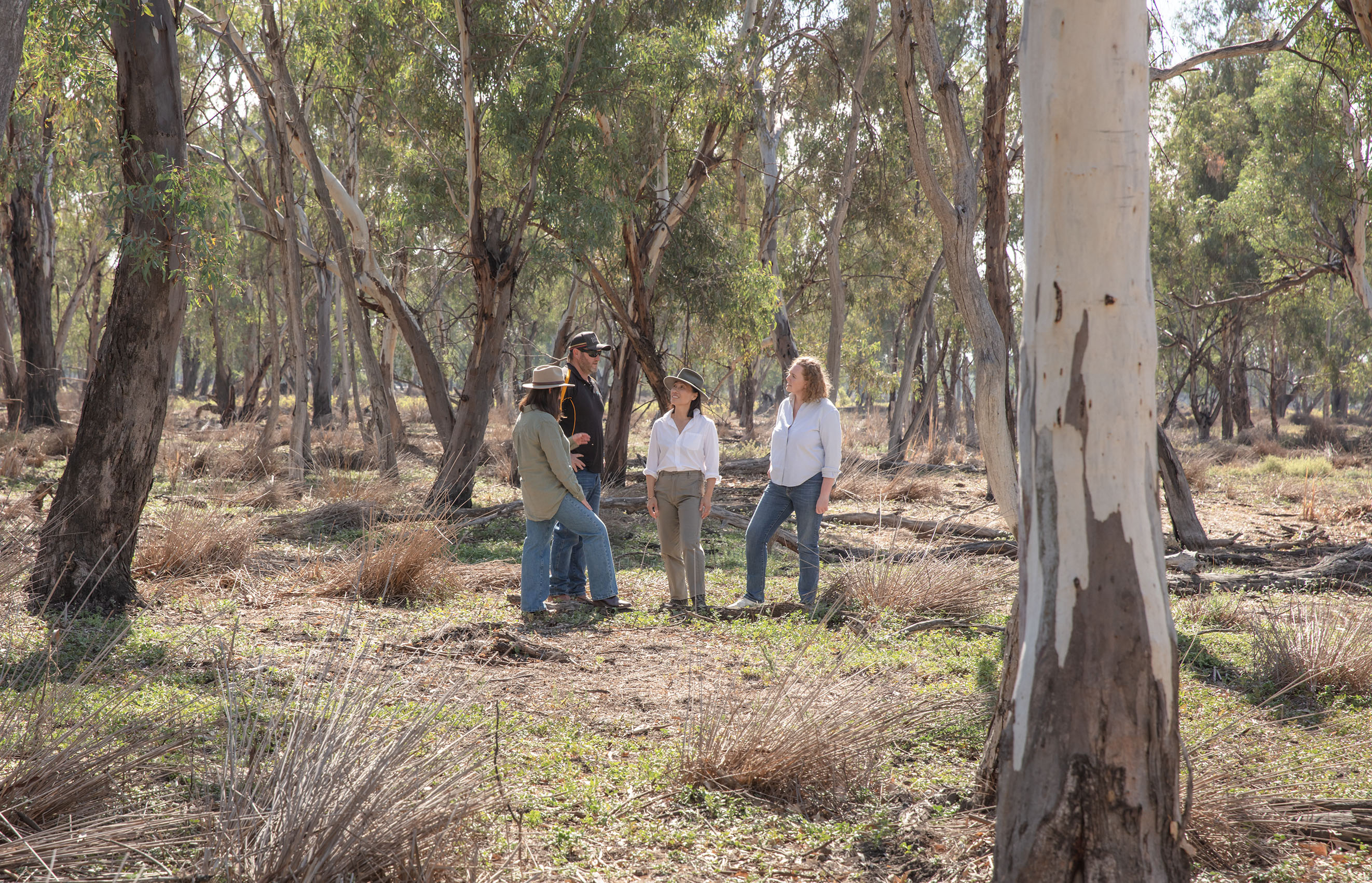
This is an outstanding milestone for NNTC, who hold a deep cultural connection to this landscape, and will now embark on a significant program of long-term conservation works. The importance of this acquisition extends well beyond the transaction itself.
It marks a major step forward for First Nations leadership in landscape scale conservation, cultural restoration and long term environmental stewardship.
It is also a significant moment for Bank Australia, representing a proud partnership with the CEFC, and is deeply tied to our impact areas. It’s the kind of outcome the whole of Bank Australia is proud to have supported.”
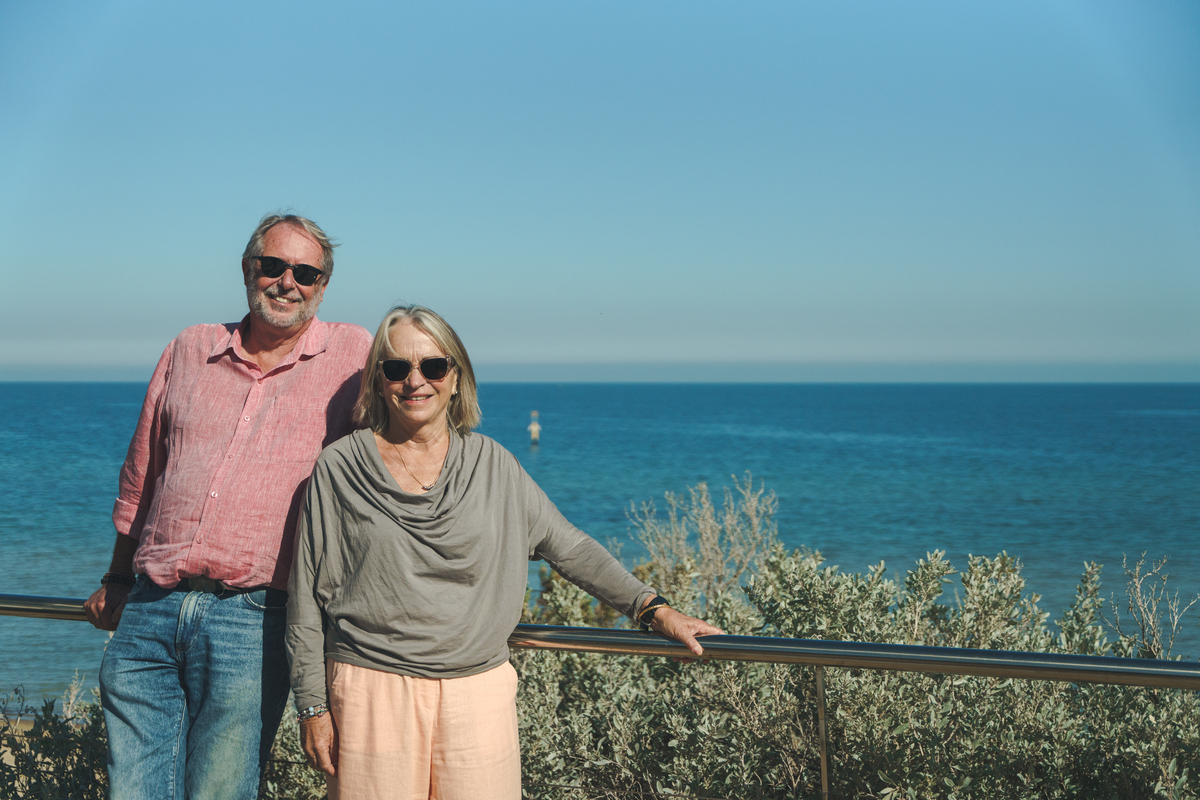
– Tim Von Ess, Head of Impact Lending, Bank Australia
For the Nari Nari People, the acquisition of the Great Cumbung isn’t a new beginning. Instead, it represents a continued connection to Country and the next step in self-determination.
And the restoration of this significant wetland, guided by the people who have cared for it for generations, offers a profound example of what’s possible when cultural knowledge, conservation and investment come together.
LiamNeal-00375.jpg)
LiamNeal-02225.jpg)
-1200x800-5b2df79.jpg)


LiamNeal-00426.webp)


.webp)
LiamNeal-03695-1200x800-5b2df79.jpg)