


.svg)


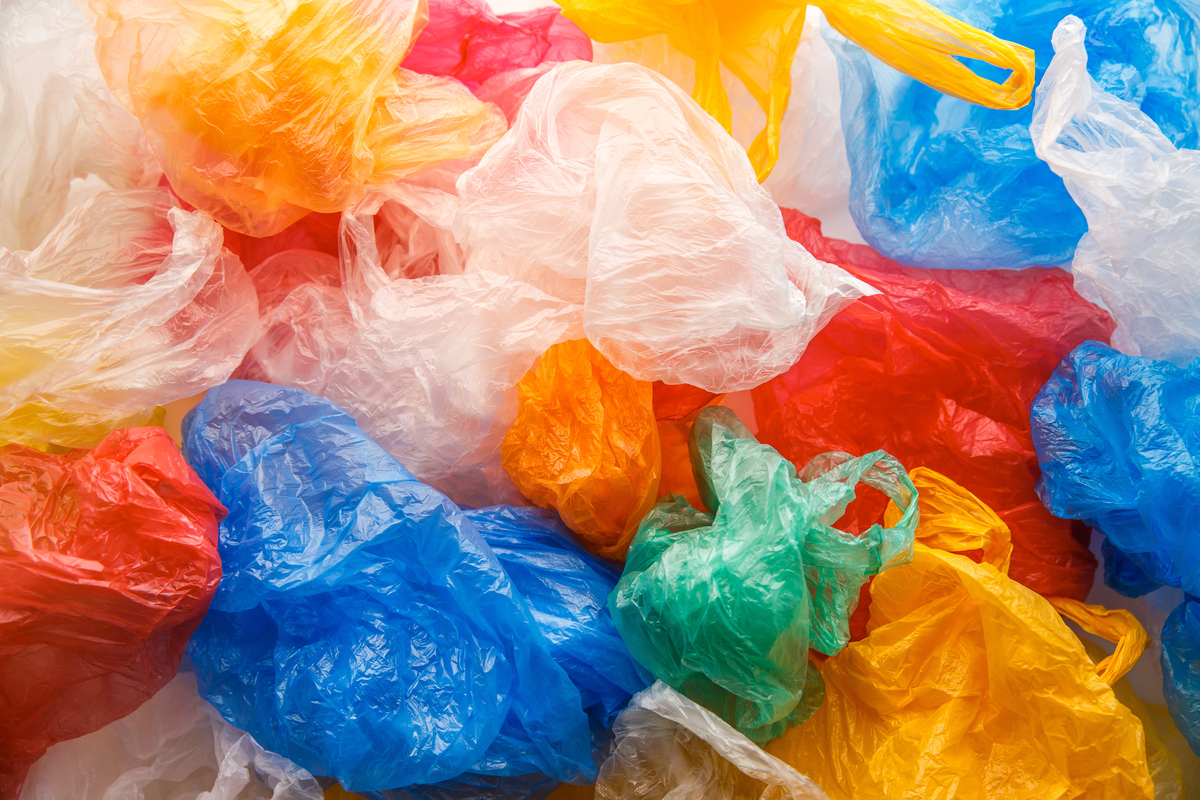


After the collapse of REDcycle, a new national scheme is rolling out. Here’s how it works, what’s changed, and what households should know before using it.
With Australians producing around 2.5 million tonnes of plastic waste each year, equivalent to around 100kg per person per year, reducing packaging waste remains a significant challenge.
Now, a new national scheme is rolling out, bringing soft plastics collection back to hundreds of locations across the country.
Most Australians want to recycle, but soft plastics remain confusing
Cleanaway’s Recycling Behaviours Report 2026 highlights how Australians feel about dealing with plastic waste:
- 91% believe recycling is important
- 64% feel misled by soft plastic packaging that appears recyclable but isn’t
- 49% have incorrectly placed soft plastics in their kerbside recycling bin hoping they would be recycled
With so much confusion around what can and can’t be recycled, many Australians were eager to see soft plastics recycling return.
That’s why the new national scheme, run by Soft Plastics Stewardship Australia (SPSA), has received significant attention.
Before you start collecting soft plastics again, it’s worth understanding what went wrong with REDcycle, and what makes the new system different
Why Australians lost confidence in soft plastics recycling
REDcycle collected soft plastics at around 2000 locations for over a decade. As collections grew, the program accepted more material than its processing network could handle.
Excess soft plastics were stockpiled, leading to increasing scrutiny over storage and reporting practices.
In June2022, one of these stockpiles in Somerton, Victoria, caught fire, resulting in the EPA charging the operators for failing to comply with an Information Gathering Notice.
Speaking to the ABC, then-CEO of the EPA Victoria Lee Miezis said the regulator had issued multiple notices to ensure plastics were stored safely and did not pose a fire risk.
The program collapsed in November 2022, and investigators found around 11,000tonnes of soft plastic stockpiled across 44 locations in NSW, Victoria and South Australia.
Matt Swindells, Coles CEO at the time, told The Age Newspaper: “I think that it’s inevitable that customers will now question the trust factor in a (recycling) program.”
That loss of trust is part of what the new scheme is designed to address.
Encouragingly, that stockpile has recently been processed, several years after the program’s collapse.
What’s different about soft plastics recycling in 2026
The most noticeable change for households is simple: soft plastics collection is back at hundreds of drop-off locations.
SPSA received ACCC authorisation in November 2025, valid until 2033, with strict transparency conditions.
Here’s how the new model works differently:
Independent oversight
Unlike previous schemes, SPSA operates separately from retailers and manufacturers, with mandatory public reporting and oversight from the Australian Competition & Consumer Commission (ACCC).
Limits to prevent stockpiling
The scheme won’t accept more material than processors can handle. Four recycling partners currently have capacity for over20,000 tonnes per year — close to three times REDcycle’s peak capacity.
Industry-funded model
Companies pay a levy based on how much soft plastic packaging they put on the market (starting at $160/tonne, rising to$200/tonne by mid-2026).
More transparency about where plastic ends up
Subject to ACCC authorisation, SPSA plans to engage a portfolio of recyclers to produce a range of new products, from food-grade soft plastic packaging to fence posts, asphalt and concrete additives.
Read more about SPSA’s soft plastic recycling program.
There are now more than 700 collection points across NSW, Victoria, Queensland and the ACT, providing access to nearly 70% of Australia’s population.
To find your nearest recycling point, check the Recyclemate website.
How to recycle soft plastics under the new scheme
If you’re unsure whether an item is a soft plastic, SPSA recommends using the “scrunch test”. Scrunch the item into your fist and release it.
If it stays scrunched, it can generally be recycled through the scheme. If it springs back to its original shape, place it in general waste.
What’s now recyclable:
- Shopping and produce bags
- Bread bags and wraps
- Chip packets, biscuit wrappers, confectionery packaging
- Frozen food bags, cereal box liners, pasta bags
- Bubblewrap and air pillows
What’s not recyclable:
- Hard plastics (bottles, trays, containers)
- Dirty or food-soiled plastics
- Compostable or biodegradable plastics
Tips for less stressful soft plastic recycling:
- Rinse and dry items before collecting
- Small paper labels can usually be left on
- Store items together in a bag, then drop the whole bag at your nearest collection point
Find your closest drop-off point
The new system is designed to address some of the challenges that caused previous schemes to fail.
But like any recycling system, its effectiveness will depend on how it’s used and supported over time.
Read more planet-themed news.
LiamNeal-00375.jpg)

LiamNeal-02225.jpg)
LiamNeal-00426.webp)
