.svg)


According to the Federal Government, almost a third of Australians rent our homes. Many of us are keen to make energy efficient upgrades and sustainability improvements, but there are limits to physical or structural changes renters can make. Here are some practical steps you can take to improve energy efficiency when renting a property.
How to go electric when renting
‘Going electric’ by getting off gas is the biggest overall sustainable change we can make in our rental properties and houses. According to the Grattan Institute (p.3), electric appliances and energy are better for the climate, our health and running costs.
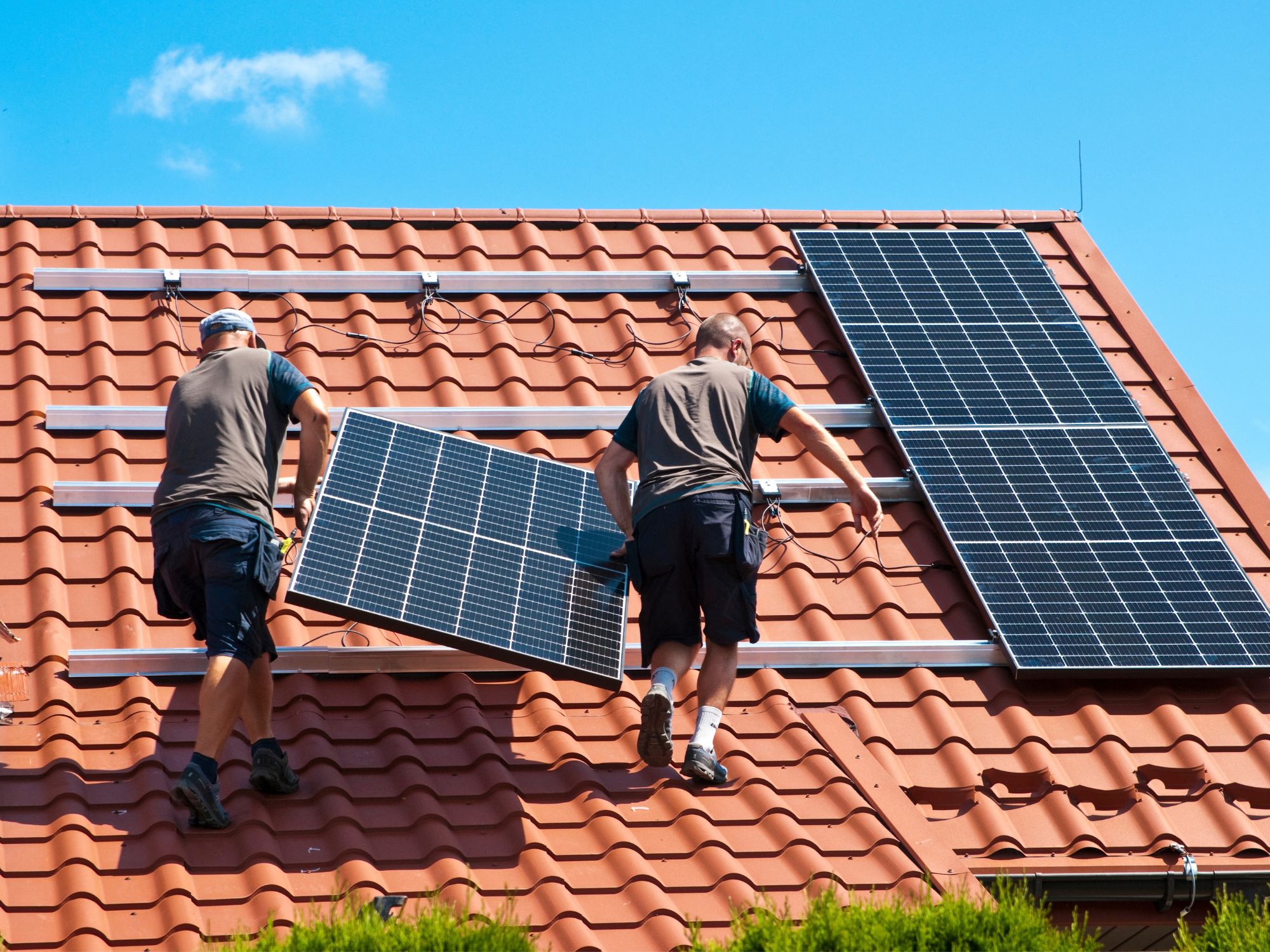
However, renters don’t often have the ability to make upgrades like replacing built-in appliances or installing solar panels. So some of the most accessible energy efficiency changes for renters are to use a portable induction cooktop, heat your home with a reverse cycle air conditioner if you have one, and choose an energy provider with green power. (Our customer CoPower is one!)
These changes can also be useful for apartment owners with strata title restrictions like common water heating systems.
.webp)
Saving energy use and costs as a renter
Purchasing an appliance or changing energy providers might not be an option when you're a renter, so making behavioural changes is another way to create impact – especially when you consider the cumulative effect of millions of homes.
The following tips are summarised from Sustainability Victoria’s great resources, so check out their website.
1. Save water
- Install a water efficient showerhead
- Collect rainwater for your garden
- Keep your showers short and sweet
2. Heat or cool your home efficiently
- Draught-proof your home
- Zone your home
- Minimise heat gain through your windows
- Get the right heater or fan
3. Control your lighting
- Use lamps instead of downlights
4. Grow your own food
- Even in an apartment, every little bit helps
5. Avoid food waste
- Start composting (even if you don't have a garden)
- Check out our 7 tips for reducing food waste at home
.webp)
Taking climate action
While it’s great for all of us to do what we can to improve energy efficiency within our rental properties, also remember that structural change on climate and towards an electrified economy is crucial including government policies and action in the corporate sector. You can add your voice to the Climate Council’s I Quit Gas campaign to help make this happen.
Ultimately, if you’re making some energy improvements while renting, you’re making a meaningful personal contribution – and if you’re a Bank Australia customer, you’re also helping make sure your banking is a force for good.
That’s because the money in your bank account doesn’t just sit there: banks use it to lend and invest.
Our responsible banking policy means we won’t use your money to fund industries like fossil fuels, and it’ll instead support positive impact like clean energy transition, social and affordable housing and protecting nature.
And our climate action strategy will help us collectively do our part towards Australia meeting our climate goals.
-1200x800-5b2df79.jpg)




LiamNeal-0224-1200x799-779f864.jpg)

LiamNeal-03695-1200x800-5b2df79.jpg)



.webp)