{ "@context": "https://schema.org", "@type": "Article", "mainEntityOfPage": { "@type": "WebPage", "@id": "https://www.bankaust.com.au/blog/{{slug}}" }, "headline": "{{title}}", "description": "{{desc}}", "image": "{{image}}", "author": { "@type": "Organization", "name": "Bank Australia", "url": "https://www.bankaust.com.au/" }, "publisher": { "@type": "Organization", "name": "Bank Australia", "logo": { "@type": "ImageObject", "url": "https://cdn.prod.website-files.com/64d5d5beb2a67e9491ecdff8/64d5d5beb2a67e9491ece00c_BA-logo-white.webp" } }, "datePublished": "{{datePublished}}", "dateModified": "{{dateModified}}" }
Skip to main content
No items found.
Back to blog
People

How 2 artists made people care about conservation

Photo journal

The duo behind Eggpicnic is using their design skills to raise awareness for critically endangered birds in Australia. We sat down for a chat.

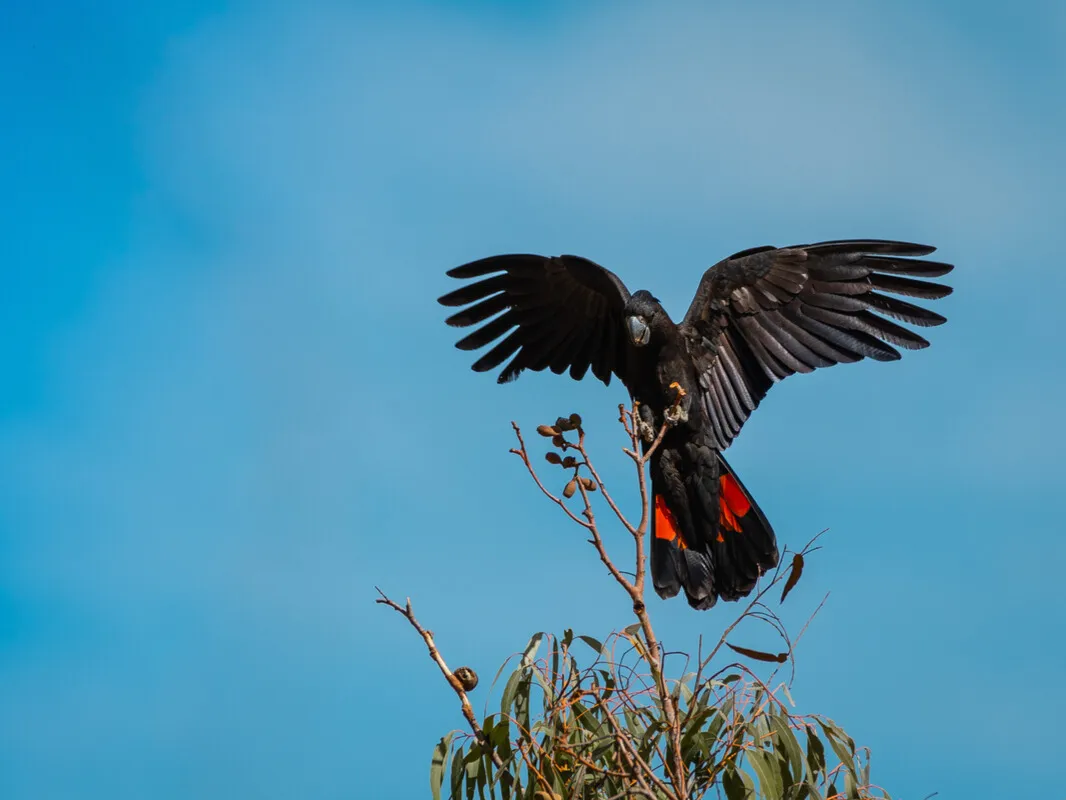
Eggpicnic is a little bit different to most design studios. Rather than designing logos, websites and annual reports, Eggpicnic is devoted to wildlife conservation. Camila De Gregorio and Chris Macaluso, the Canberra-based pair behind the studio, create illustrations, sculptures, and large-scale installations to raise funds and awareness about critically endangered species, particularly birds, in Australia.

“We use our work to help people fall in love,” says Camila, “because that’s when people want to protect.”

Camila and Chris met in Milan in 2009 and immediately connected over a love of nature and a mutual concern about the future of the environment. They moved to Chile, where they experimented with design and learned from local artisans, before relocating to Australia 10 years ago.

“When we arrived in Sydney, that’s when my interest in birds really began,” Camila says. “We joined our local bird club and started learning about birds, and about the threats they – and other wildlife – are facing.”

The pair started playing with different mediums – illustrations, paintings and art toys in bright block colours – to share what they were learning with the public.

“People started showing interest in our work, because it was relatable,” Camila says. “It was communicating these issues, but from a joyful perspective. It was inviting, rather than doom and gloom. It gave people hope.”

For Camila and Chris, creating these striking works showcasing critically endangered birdlife was a new way of reframing traditional perspectives of conservation. They use art as a way to get people excited – and educated – about Australian wildlife species.

“We knew we needed to do something,” explains Camila. “As communicators, we wanted to make a difference through our work, and use our work as a tool to make changes.”

Along with supporting wildlife organisations like BirdLife Australia, Difficult Bird Research Group and WIRES, Eggpicnic have been working with scientists to quantify the impact art can have on conservation.

“We’ve developed a survey, in collaboration with Dr. Kate Umbers from Western Sydney University, that will give us insight into how much people know about a species, the threats they face, and how emotionally connected people are to that species,” Camila explains. “That then gives us insight into how we communicate these issues with people to help them engage, actively participate, and help shape a better future.”

One of Eggpicnic’s favourite projects was a public art piece – titled Birds of Caragabal – near Grenfell, 370 kilometres west of Sydney.

“We were taking part in a Key Biodiversity Area survey and met with a councillor who asked what we did,” Chris says. “We showed him what we’d been working on in Sydney and he loved it. He said ‘We’ve got to bring that here’.”

The project involved a collaboration with the local public school. Each child was given a local bird that they had to research, and then present their findings back to the class, arguing why their bird should be included on the Caragabal Bird Mural.

In all, 18 local birds were showcased in the mural on the town’s main road. It’s a talking point for people coming through, and the town has a sense of pride in the work itself.

“The community and school kids came together, they chose the species that went up, they have ownership,” Chris says. “They want to go out and search for those birds, and learn more about them. The ripples of the project have been incredible.”

Find out more about Eggpicnic’s mission – and order yourself a print (or two).

Related stories

People

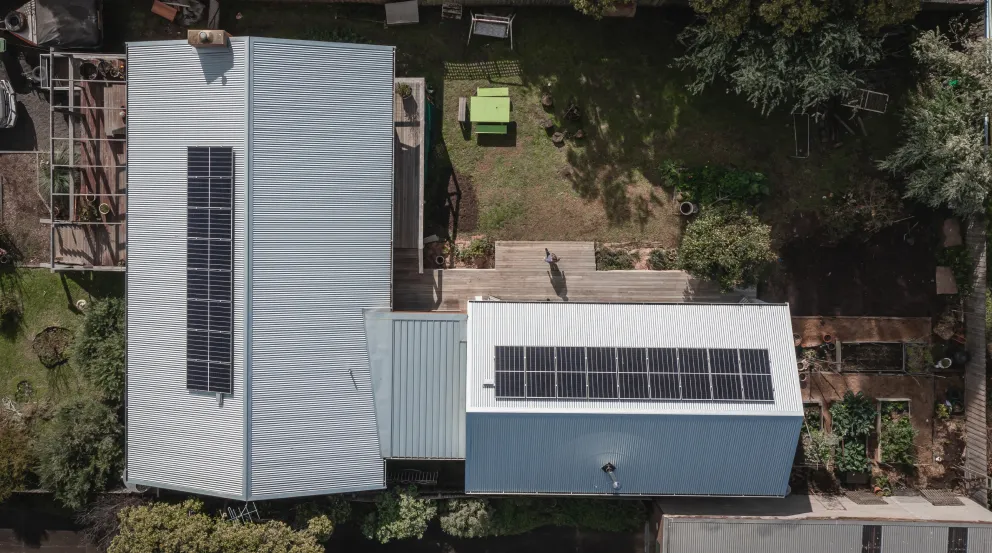
How to electrify your home with free expert support

People

The anti-spring-cleaning list for 2026: 7 small jobs for a calmer home

People

Recognising First Nations leadership and Treaty in Victoria

People

How this Melbourne couple ‘cut their energy bills to $30 a month'

People

Sustainable apartment trends in 2026: An expert's guide

Impact

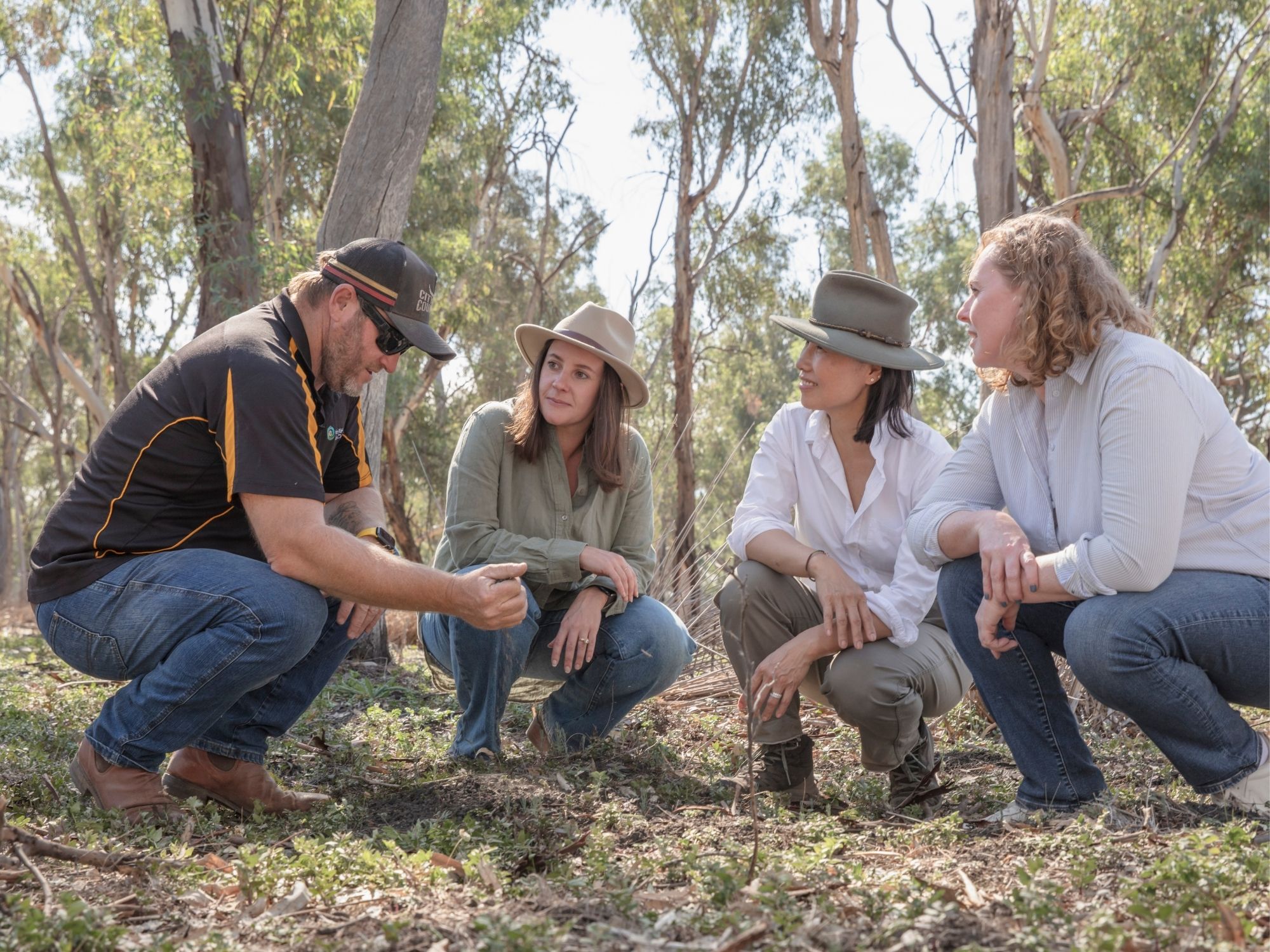
Caring for Country: How the Nari Nari People are restoring a vital wetland

Impact

How Bank Australia’s new Impact Term Deposit works – and where your money goes

Want to grow your savings while helping fund targeted positive impact for people and the planet? Our new Impact Term Deposit could be for you.

Impact

Native planting: Sustainability and biodiversity for your garden

Impact

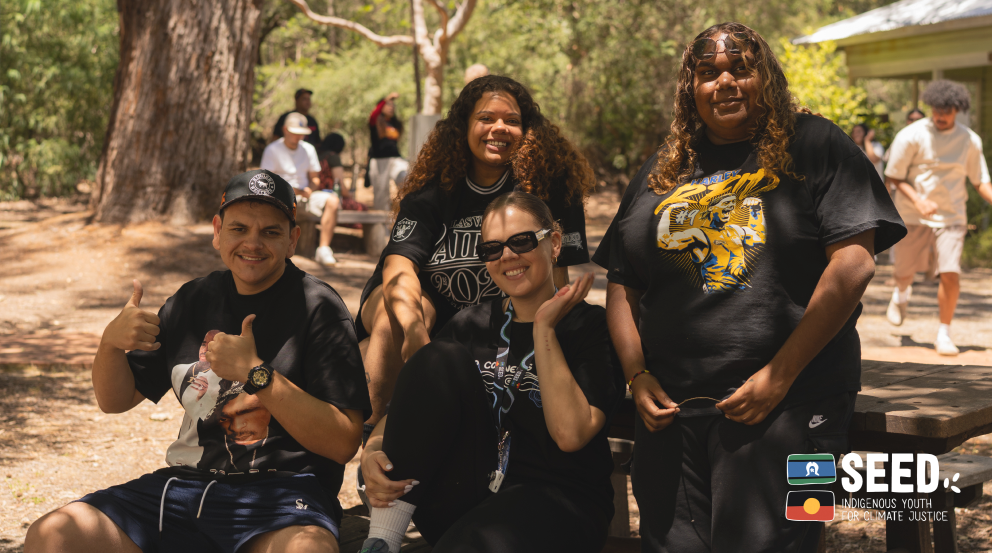
We're continuing our partnership with Seed Indigenous Youth Climate Network

From leadership summits to frontline campaigns, Seed Indigenous Youth Climate Network is driving First Nations-led climate action across Australia. Here's how we're supporting them.

Impact

What B Corp certification actually requires of Bank Australia and what it means for customers

Every March, B Corp Month gives certified companies a moment to reflect. Bank Australia asked our Impact Integrity Manager Renzo Mori what the certification means in practice, and what it means for customers.

Impact

Customer ownership makes banks bolder, and that’s what we need right now

In an era of climate urgency, housing stress and deepening inequality, the way our banks are structured matters more than ever. Customer-owned banking removes some of the barriers to long-term, values-driven action, and it may be the model the world needs the most right now.

News

Partnering with Environment Victoria to support household electrification

We’re proud to announce our partnership with Environment Victoria, an independent charity working to build a thriving, sustainable society that protects and values nature.

Impact

How switching to an ethical bank can help safeguard Australia’s ecosystems

On World Wildlife Day, we celebrate the species that make Australia extraordinary.

Planet

Why speedy recovery after bushfires is critical for wildlife and local landscapes

The weeks after a fire can determine whether wildlife and landscapes recover - or whether damage becomes permanent.

Impact

How Bank Australia supports people with disability

To mark International Day of People with Disability, we’re reflecting on some of the ways that Bank Australia is working to improve accessibility and inclusion across our banking, our partnerships and our impact.

Planet

Climate for Change is empowering Australians to act through climate conversations

Clara from Bank Australia & Climate for Change helps Australians talk about climate change, build confidence, and take action through guided conversations and MP engagement.

Money

Protecting Customers from Online Scams

Scams are becoming more sophisticated and harder to spot. At Bank Australia, we’re committed to protecting our customers and supporting them if things do go wrong.

Impact

A year of creating positive impact with our customers: Bank Australia’s 2025 Impact Report

We’ve published our 2025 Impact Report, reflecting our financial, social, and environmental performance before merging with Qudos Bank. It highlights how customer ownership drives meaningful outcomes for people and planet.

Planet

Caring for our conservation reserve

Bank Australia’s Wotjobaluk Country reserve protects 251 native plants and 283 animals, supports biodiversity and culture, and involves employees in conservation efforts.

Impact

The Aquarium of Tomorrow: turning plastic waste into art in Sydney