On Djaara Country in Central Victoria, Bank Australia community customer grant recipient Nalderun has been changing the lives of young First Nations people for over 15 years. Their aim? To help their kids thrive and become the leaders of tomorrow.
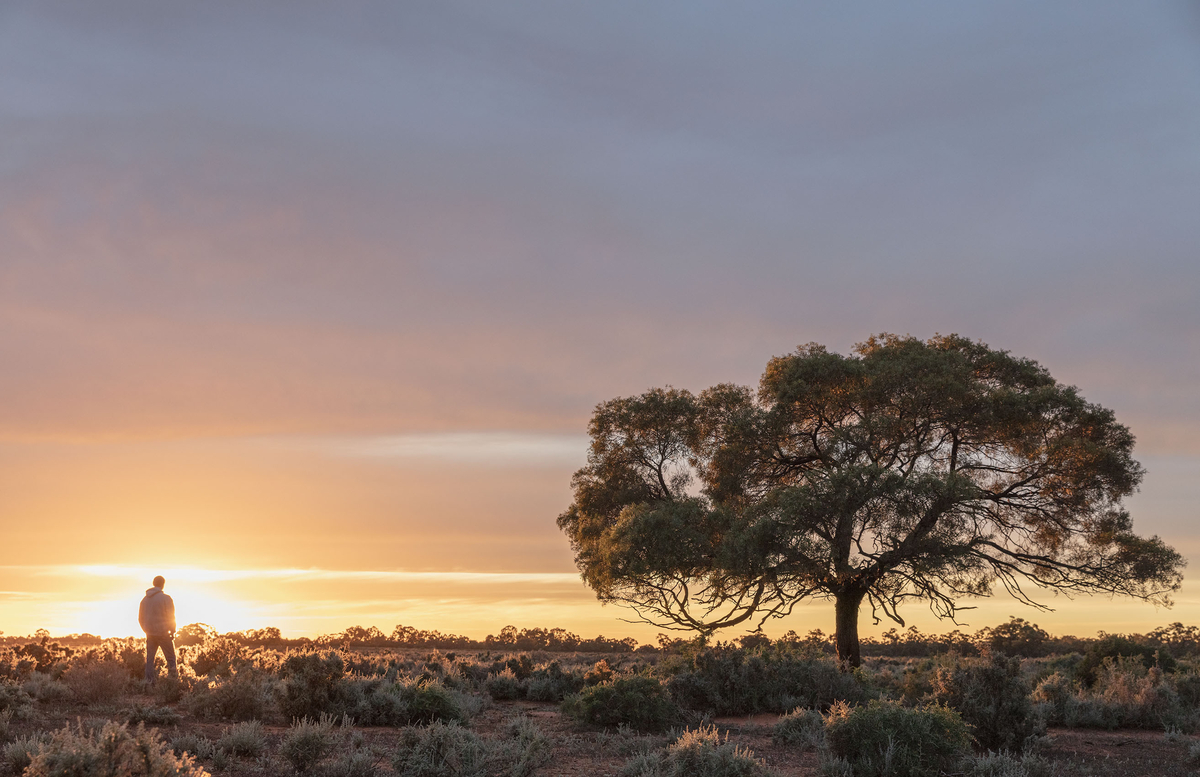
In a bush clearing on Djaara Country, just outside Castlemaine in Victoria, an ancient, gnarled river red gum towers over the surrounding scrub.
This tree’s name is Me-Mandook Galk, the sacred “grandmother tree”, and according to best estimates is over 400 years old. Me-Mandook Galk was here long before Captain Cook sailed into Botany Bay. Before the French Revolution. Before the United States was even a country.
The bush that surrounds Me-Mandook Galk is private property, but in 2021, a local First Nations collective, Nalderun Education Aboriginal Corporation, decided to buy the land around Me-Mandook Galk back from its owners.
Eight days later, with the help of one Kickstarter campaign and over 1,200 supporters, they had the funds, and were able to establish a home for Nalderun’s programs and for the local Aboriginal community for generations to come, under the guidance of Senior Djaara Elder Uncle Rick Nelson.
“Our children need a place to feel ‘home’,” says Nalderun CEO and Yorta Yorta woman, Kath Coff. “They know they are the protectors and guardians of Country into tomorrow. In this place, we feel our Ancestors. It’s a place that needs protection and love. And to be shared, so that all can experience what we and our kids feel and remember in every cell of our bodies.”
The site is now a bush tucker place co-managed by First Nations youth, and there’s a long-term vision of creating an Indigenous education and cultural hub as a base for Nalderun’s programs and community.

‘All together’ for First Nations youth
Nalderun is the Djaara word for ‘all together’ – and ‘together’ is how they like to tackle things. The organisation currently supports more than 150 Aboriginal and Torres Strait Islander school kids across Djaara Country, running wrap-around educational support programs and pathways from primary school to meaningful employment. This includes supporting Elders, families, and partnering with schools and TAFE institutions to provide training, advocacy and curriculum centred in Indigenous worldviews.
The core idea behind Nalderun is to help First Nations youth reconnect with their land, their Community and their Culture. To do it on Country, and do it all together.
“Nalderun started around 15 years ago,” Kath says. “A group of us got together and made a decision that we needed to do something about getting our kids through – and not just through, but safe and thriving.”
“The core of the business is our kids, and we support them in different ways. In primary school, we have The Meeting Place, which is all about Indigenous Teaching and Circle Time, then we have Kuli Business for those that identify as male, and Wararak is for young First Nations women and gender-diverse people of highschool age.”
The organisation also runs Aunty and Uncle mentoring programs, provides tutoring and curriculum support, and helps with School Based Apprentice Traineeships (SBAT) for young mob in land management and conservation and early childhood education. They also run a community food share program for mob doing it tough, which delivers meals to First Nations families around Mount Alexander.
“It’s sort of hard when people ask, ‘What is Nalderun? What are the programs?’” Kath admits. “Because we believe in the spiderweb effect. It all comes out in different ways.”

Meaningful partnerships, mentoring and connections
This year, Bank Australia was proud to support Nalderun’s ongoing work through a community customer grant. “We only receive funding from organisations we feel are ethical, and that we have a relationship with,” Kath says. The grant will contribute to Nalderun’s school programs, which embeds educational and personal support for First Nations students within different local learning environments.
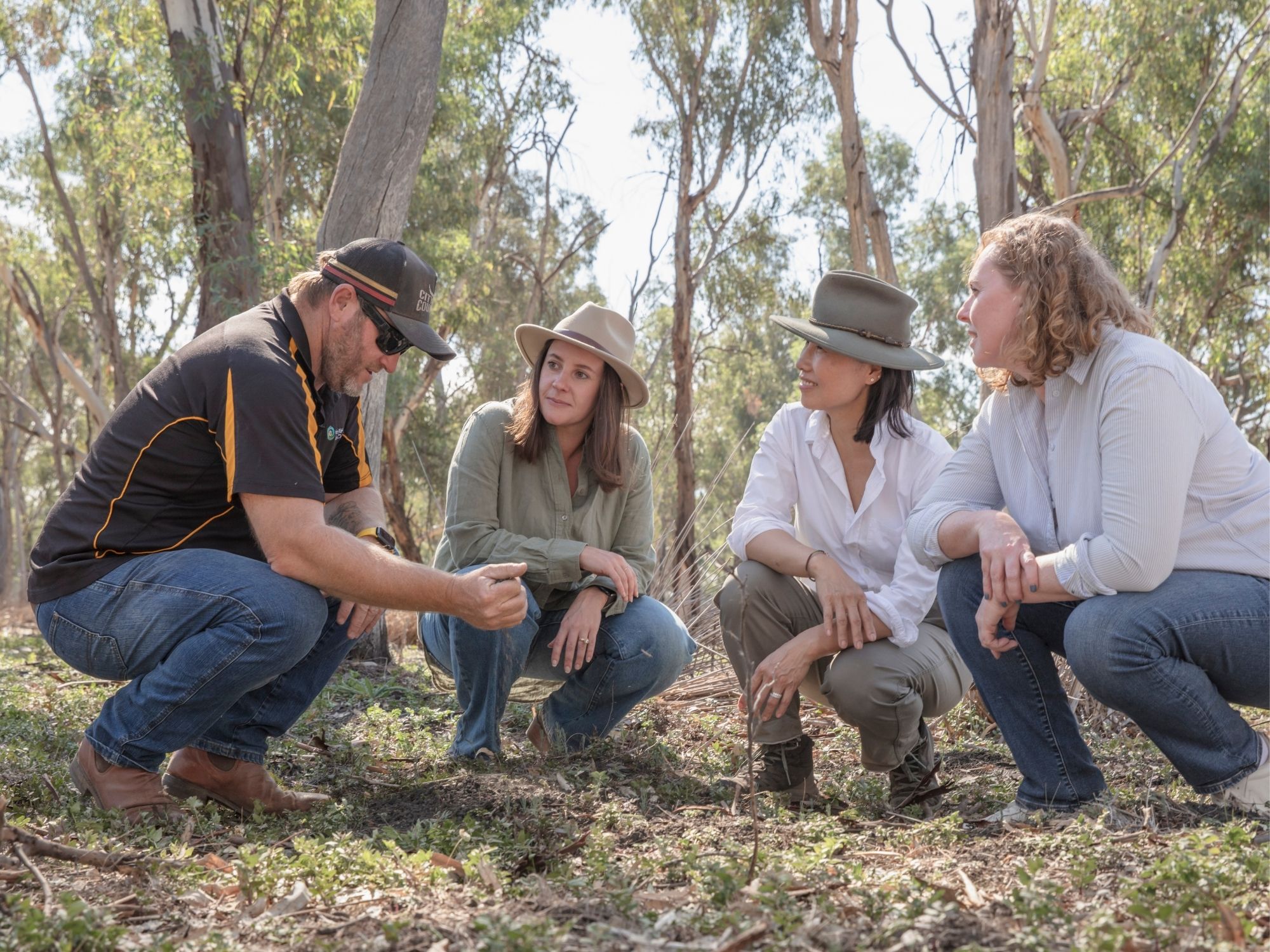
“A lot of First Nations youth have come through the school system, and now they’re really the leaders of Nalderun,” says Nalderun Learning Support Leader, Polly Cotton. “Our job is to facilitate and support them in whatever they want to do. To minimise the difficulty of coming up against structures and institutions that might stand in their way.”
As an ally, Polly stands side-by-side with Nalderun’s First Nations leaders to deliver one of Nalderun’s in-school programs – and that’s one of the key ingredients of the organisation. All of their programs are managed by one First Nations youth facilitator, who brings a strong sense of cultural knowledge, plus one non-Indigenous ally who supports the admin side of things. “We always have mob and non-mob together,” Kath says. “We want our kids to feel strong and loud and proud about who they are, but they also need to be able to work and live and thrive in a non-Indigenous world."
Mentorship is also a key component of Nalderun’s model. “Nalderun is set up in a way that everyone is mentoring somebody, and everyone is getting mentored by somebody,” Kath says. “And that includes the Elders and Directors, all the way down.”

Real support, real outcomes
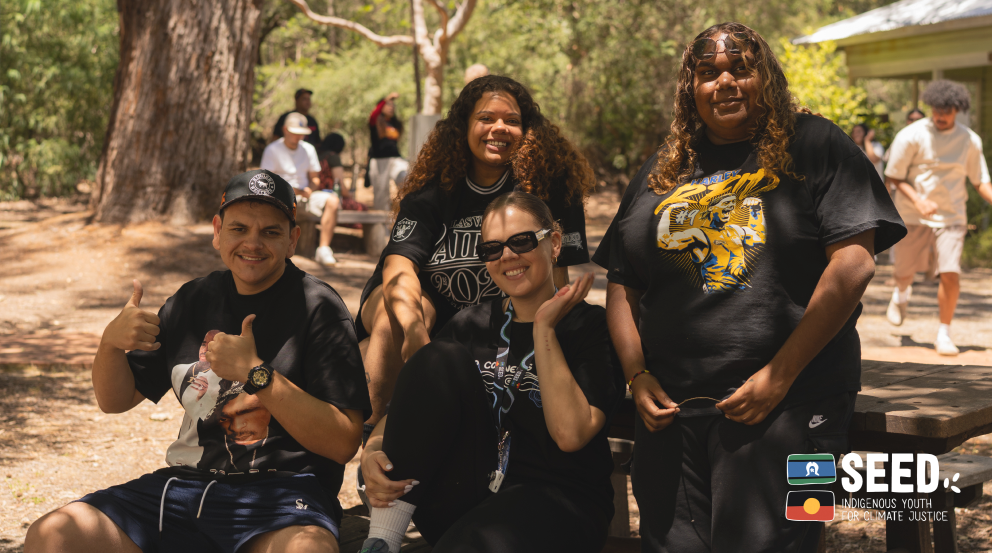
Dallas, Charlize and Kati are all local First Nation students who have been supported by Nalderun. Dallas, in particular, has spent over 13 years in Nalderun programs.
“I think I started in Prep,” he laughs. “It’s just been nice to have that tie to my Indigenous roots, being able to interact with other Indigenous people and learn all that knowledge through them. I think I only learned about Indigenous Australians once in 13 years of school. The Nalderun program was great because it not only taught me all this history and knowledge, but how to apply that knowledge in modern life.”
Charlize agrees. “I really like that there’s a lot of help and support,” she says. “So if we’re struggling with anything, if we need anything, Nalderun can help with that. And then there are the other programs, like Meeting Place and Wararak, where it’s like a community. One day every fortnight, we take a big group of us, and we’ll go out somewhere on Country and have fun.”
“Tuesdays with Nalderun are the best,” says Year 12 student, Kati, who’s been with the program for years. “Every Tuesday I rock up to school, and if I need any support, or guidance on my schoolwork, or even mental health things, I can come into this space and Polly or Aunty Kath, they can guide me. It really takes the pressure off my shoulders, having that community of other mob.”
Kath says it all comes back to that word: community. Joining together to make lasting, positive, generational change. The trick is never to stop, never to give up. What you put into community, you get out again ten-fold. “True change is ongoing. It’s sustainable,” she says. “And it’s the ongoingness that makes the change. It’s the unconditional love, the turning up. That’s what’s breaking the generational trauma cycle from colonisation.”