{ "@context": "https://schema.org", "@type": "Article", "mainEntityOfPage": { "@type": "WebPage", "@id": "https://www.bankaust.com.au/blog/{{slug}}" }, "headline": "{{title}}", "description": "{{desc}}", "image": "{{image}}", "author": { "@type": "Organization", "name": "Bank Australia", "url": "https://www.bankaust.com.au/" }, "publisher": { "@type": "Organization", "name": "Bank Australia", "logo": { "@type": "ImageObject", "url": "https://cdn.prod.website-files.com/64d5d5beb2a67e9491ecdff8/64d5d5beb2a67e9491ece00c_BA-logo-white.webp" } }, "datePublished": "{{datePublished}}", "dateModified": "{{dateModified}}" }
Skip to main content
No items found.
Back to blog
Impact

Meet the organisation supporting Victoria’s unpaid carers

Photo journal

Over 700,000 Victorians are currently providing unpaid care to a family member, friend or neighbour. Here’s how Bank Australia customer Carers Victoria supports the unsung heroes of the state’s social and healthcare systems.

When we think of carers, often we think of nurses looking after patients in hospitals or aged-care facilities. We rarely consider the thousands of Australians providing unpaid care to family members and friends. In fact, according to Carers Victoria CEO Judith Abbott, many people in a caring role wouldn’t even consider themselves carers.

“A carer is someone who’s going above and beyond the usual to support someone who may have mental health challenges, a disability, health concerns or age-related frailty,” Judith says. “[Many carers] don't see that label or make that connection because they're busy doing the thing: caring. If you’re doing these kinds of things, you are considered a carer, and there’s information and support that can help you.”

Two people lean against the wheelchair of the man sitting in the middle

That’s where Carers Victoria steps in. Celebrating its 30th year, Carers Victoria is a not-for-profit organisation that exists to improve the lives of unpaid carers. There are currently over 700,000 Victorians providing unpaid care to a family member, friend or neighbour, with around half that number giving over 20 hours a week of support. The team at Carers Victoria connects carers to government-funded resources, provides information on how to access services such as counselling and respite, offers education and training, and brings together members of the carers community for a meal, a chat, and a break.

“Caring is so rewarding, but it’s a tough thing to do,” Judith explains.

Indeed, caring can come at a personal cost. A 2020 national survey of carers found that almost half of respondents reported experiencing high to very high levels of psychological distress, while one in three felt highly socially isolated. A third of respondents said they didn’t get any time away from their caring responsibilities, with one in four reporting that they spent more money than they made within a 12-month period.

“We know that carers often experience poorer financial outcomes,” Judith says. “Research released this year found that, on average, a carer will lose about $40,000 of lifetime earnings for every year they’re in a primary caring role.

A man hugs an elderly lady

Carers Victoria wants to reach the point where every Victorian understands what a carer is, and why caring work is valuable. “An important part of what we do is advocate to both government and community to raise awareness and push for changes so that carers can be supported in their roles,” says Judith.

Public information campaigns – including media releases, partnerships and stories – are used to shed light on what care work comprises. “We connect with organisations like Bank Australia to help get that message out about what a carer is,” Judith says.

Some key developments Victorian carers would like to see implemented include flexible workplace arrangements, improved financial security, and consistent, accessible and affordable (or fully funded) support services.

An elderly lady wraps her arm around a child

“Carers are essential to our state. They make a big contribution both economically and socially, and are helping people who might otherwise be quite isolated to feel connected, supported and safe,” Judith says. “They are some of the unsung heroes of our health and social care system, and we need to support them better.”

Read more about Bank Australia’s incredible customers and allies doing great things for people and the planet.

‍

Related stories

Money

Anyone can be targeted: why intelligent people still fall for scams

Impact

Open Table is rescuing food waste and feeding the community

Impact

Meet the organisations supported by our 2026 community customer grants program

People

How this Melbourne couple ‘cut their energy bills to $30 a month'

Impact

Caring for Country: How the Nari Nari People are restoring a vital wetland

Impact

Empowering First Nations entrepreneurs: The impact of First Australians Capital

Discover how First Australians Capital is empowering First Nations entrepreneurs with culturally informed finance, business support and long‑term impact.

Learn more about First Australians Capital.

Impact

How Bank Australia’s new Impact Term Deposit works – and where your money goes

Want to grow your savings while helping fund targeted positive impact for people and the planet? Our new Impact Term Deposit could be for you.

Impact

Extreme heat in NSW rentals: Why Bank Australia is backing Sweltering Cities

We've partnered with Sweltering Cities to support renters in NSW dealing with extreme heat. Here's what the partnership involves and how you can get involved.

Impact

Native planting: Sustainability and biodiversity for your garden

Impact

How to stay warm (and keep bills down) this winter

Feel like you’re constantly trying to stay ahead of the chill in your home? You’re not alone. Whether you’re renting, renovating or just trying to cut costs, here are an expert’s practical tips on staying warm and saving energy this winter.

News

Step inside: We’re supporting Sustainable House Day 2026

Impact

We're continuing our partnership with Seed Indigenous Youth Climate Network

From leadership summits to frontline campaigns, Seed Indigenous Youth Climate Network is driving First Nations-led climate action across Australia. Here's how we're supporting them.

Impact

What B Corp certification actually requires of Bank Australia and what it means for customers

Every March, B Corp Month gives certified companies a moment to reflect. Bank Australia asked our Impact Integrity Manager Renzo Mori what the certification means in practice, and what it means for customers.

Impact

Customer ownership makes banks bolder, and that’s what we need right now

In an era of climate urgency, housing stress and deepening inequality, the way our banks are structured matters more than ever. Customer-owned banking removes some of the barriers to long-term, values-driven action, and it may be the model the world needs the most right now.

News

Partnering with Environment Victoria to support household electrification

We’re proud to announce our partnership with Environment Victoria, an independent charity working to build a thriving, sustainable society that protects and values nature.

Impact

The ‘growler’ at Wirey Swamp: A long-awaited frog call in Victoria's changing landscape

Last spring, a ‘chorus’ of growling grass frogs were heard at a Nature Glenelg Trust restored wetland for the first time, a hopeful sign for the vulnerable Australian amphibian.

Impact

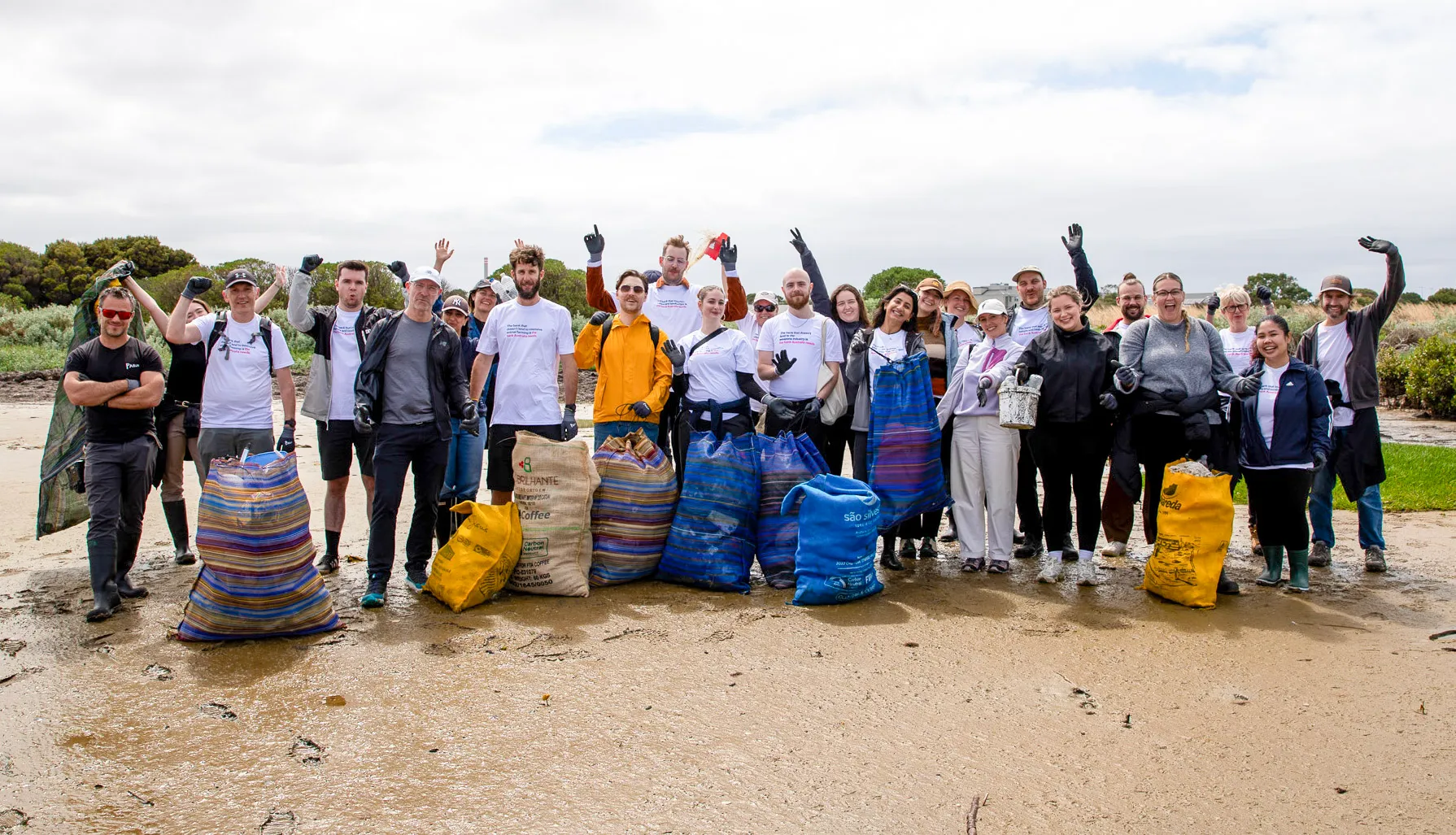
A beach cleanup won’t solve marine pollution. We did one anyway. Here’s why it mattered.

A firsthand look at Bank Australia’s beach clean‑up with Parley for the Oceans, exploring where ocean plastic really comes from, why systemic solutions matter, and how recycled‑plastic bank cards support a more sustainable future.

News

Community customer grants now open for 2026

We’re excited to open applications for our 2026 community customer grants.

Impact

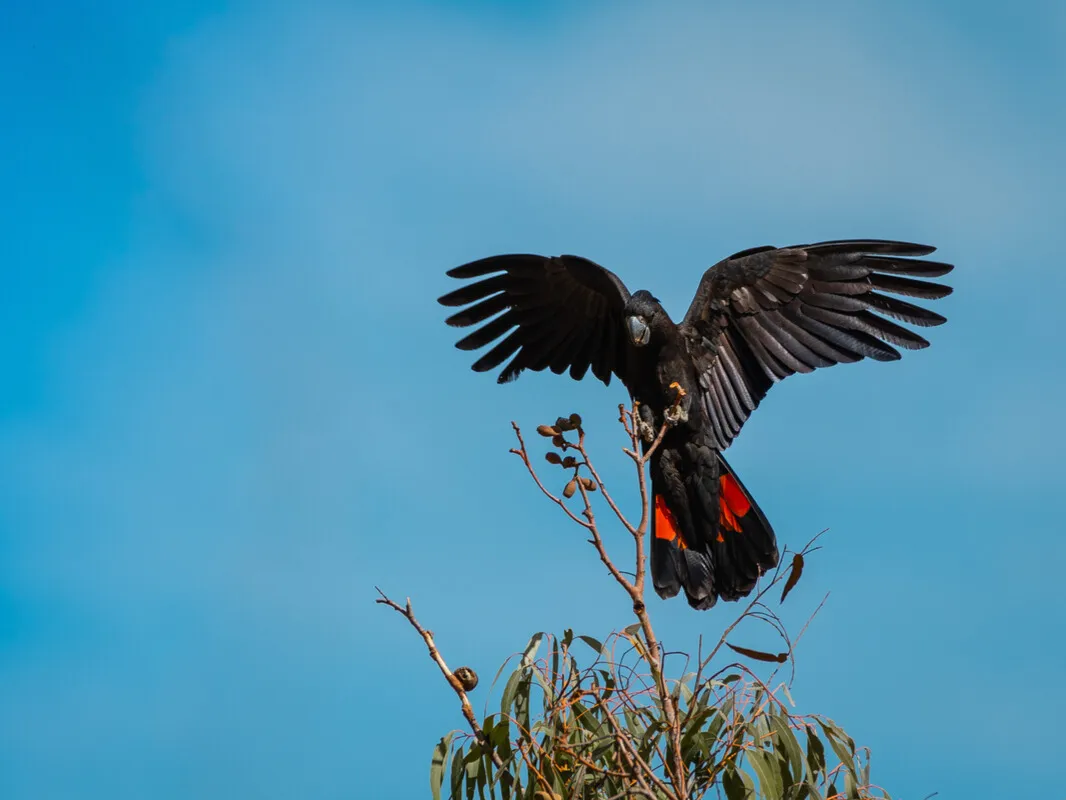
How switching to an ethical bank can help safeguard Australia’s ecosystems

On World Wildlife Day, we celebrate the species that make Australia extraordinary.

Planet

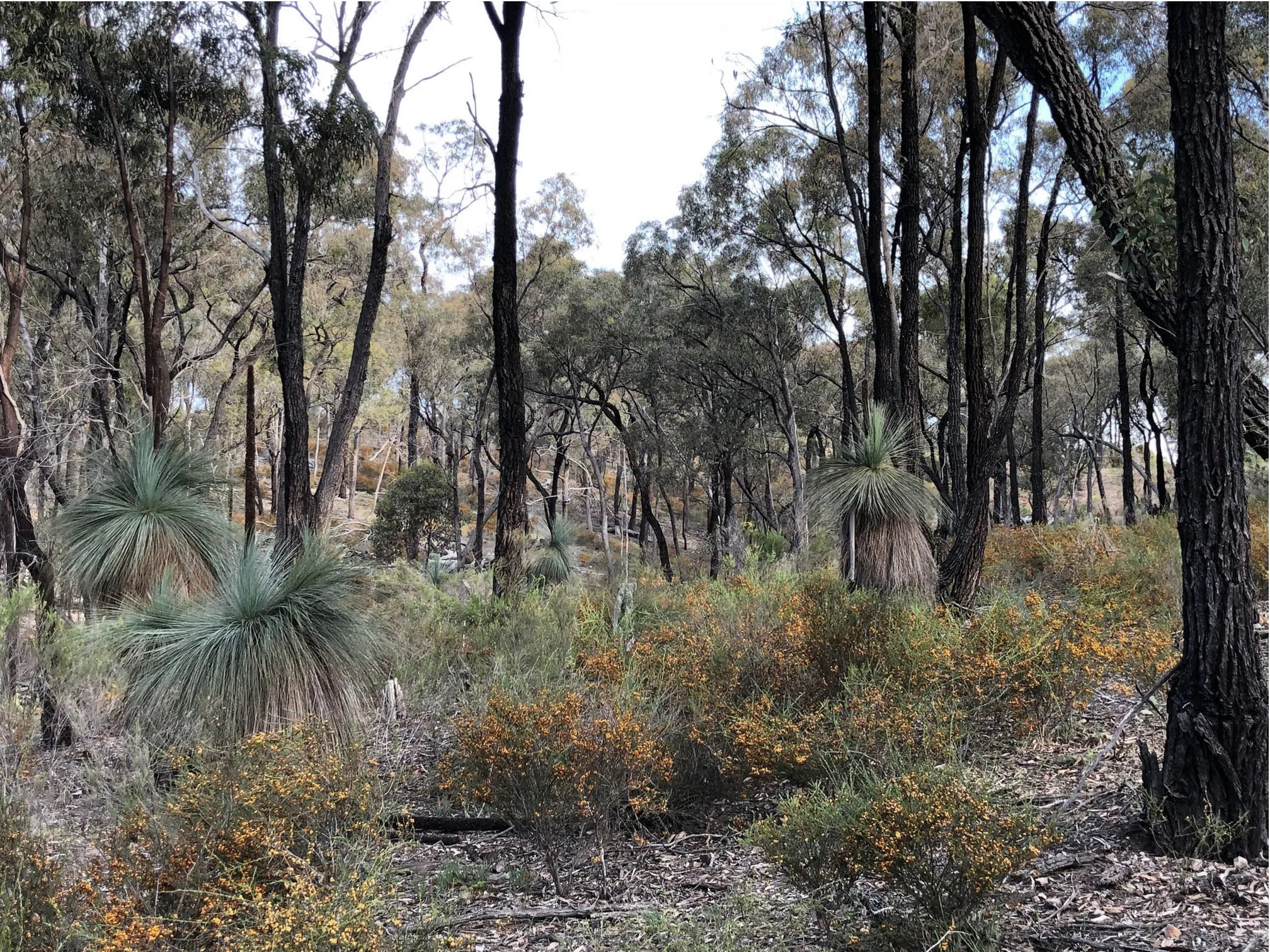
Why speedy recovery after bushfires is critical for wildlife and local landscapes

The weeks after a fire can determine whether wildlife and landscapes recover - or whether damage becomes permanent.