.svg)




Anyone who has given birth or supported a new mum knows that the weeks after giving birth are when parents and other caregivers need a lot of support and nourishment – not only physically, but mentally.
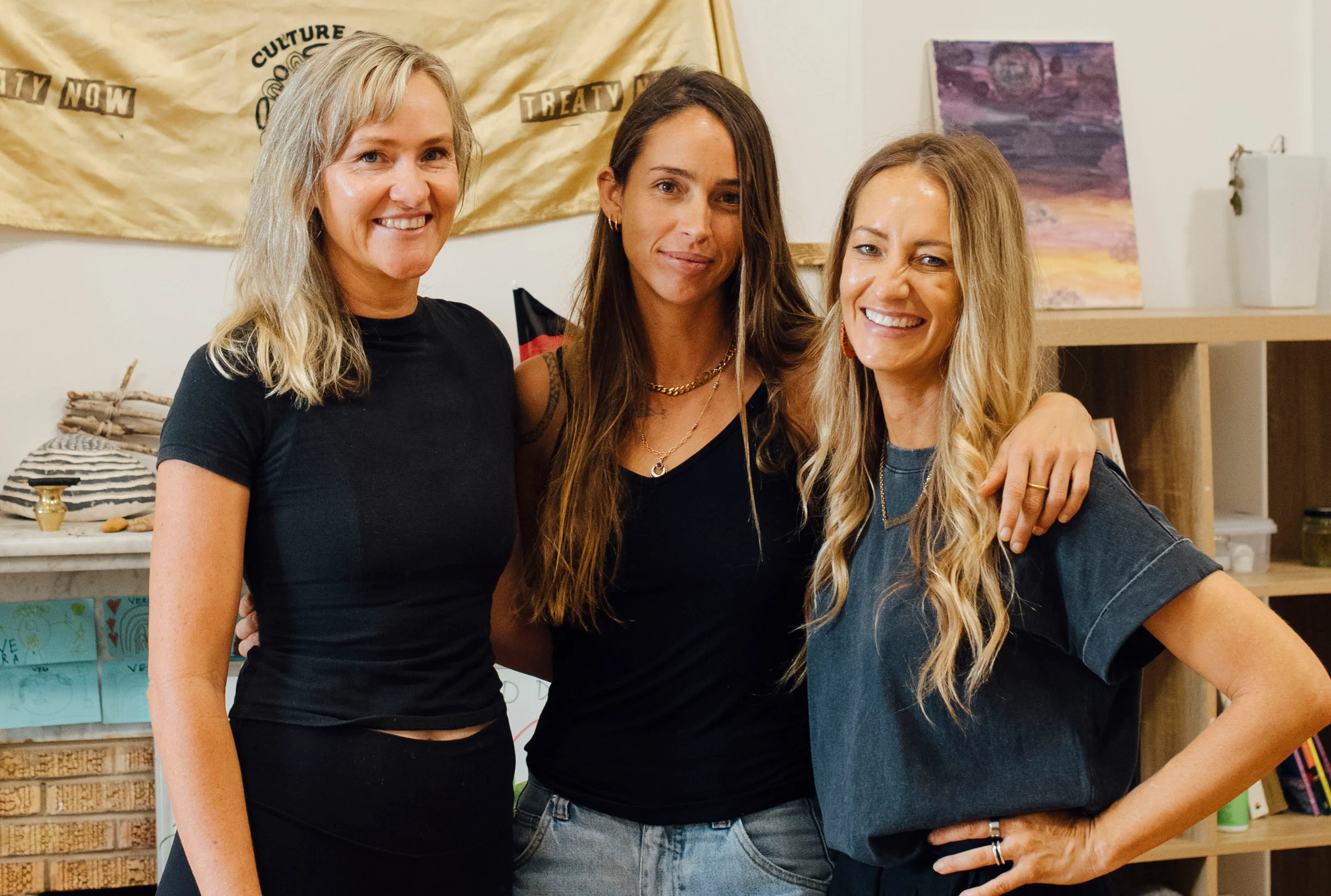
Pictured above: Program manager Brooke Morris, founder Ella Bancroft and chef Mindy Woods
Bundjalung woman Ella Bancroft is on a mission with her charity to help Aboriginal women get this vital postpartum support.
She is the founder of The Returning Indigenous Corporation – an Indigenous women-led not-for-profit organisation which runs seven programs across the region and one program that supports Aboriginal women through this intense and important time in their lives.
The Returning Mother Care program was born from Ella’s deep desire to reclaim the care economy as a valuable asset of our society and provide remuneration for Aboriginal women.
The program has enabled culturally safe birth assistance, donations and post-partum care to be provided to Aboriginal families, more recently with support from Bank Australia’s impact fund.
Importantly, the Mother Care program utilises bush food meals that grandmothers and aunties have made and eaten since time immemorial.
What gaps or challenges were you seeing for mothers and families that this program aims to support?
"We operate on Bundjalung Country, which is also known as the Northern Rivers.
Due to gentrification and our Nation being one of the biggest tourist destinations, we saw mothers were often disenfranchised – often they’re single mothers or Mob – because the economic system didn’t cater for them.
"We know that being able to provide post-partum health support can positively impact the health of the mother and the child for the rest of their life.
"Six weeks of being able to show up for our mothers, who may be living in cars or being constantly re-homed or are out of home and housing because of flood and gentrification, allows us to try to ensure we have healthy community members and care for the next generations."
What does the Mother Care program offer?
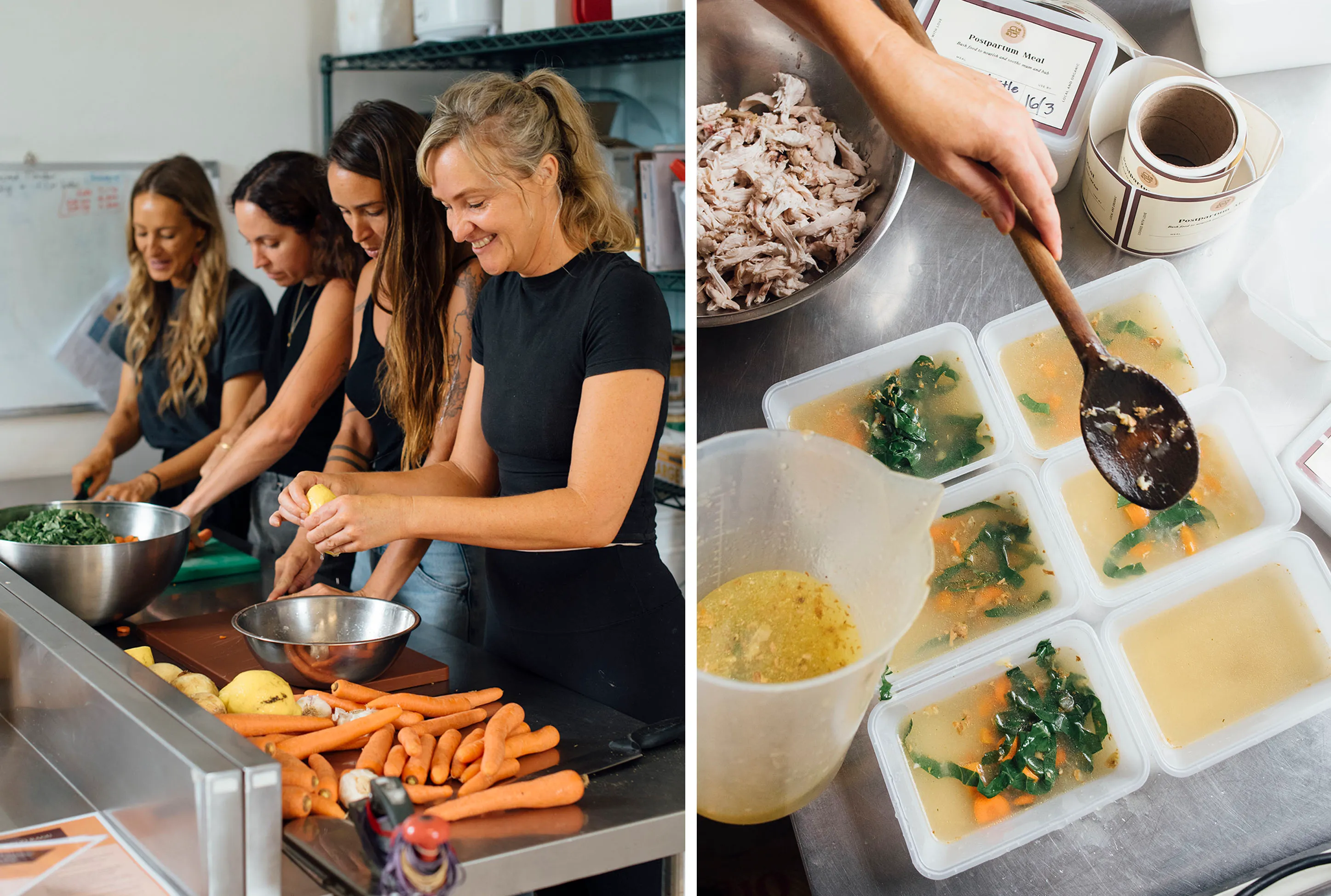
"The Mother Care program offers a six-week meal delivery service featuring bush food–infused, nutrient-dense, organic meat meals plus vegetarian and vegan options delivered straight to recipients’ doors.
"It also offers Indigenous-led Postpartum Care Workshops grounded in cultural knowledge and community wisdom for mothers and fathers.
"Every fortnight Brooke Morris our Program Manager co-ordinates a team of volunteers to do a big cook up for our communities.
"Those recipes have come guided by Bundjalung woman, Mindy Woods, who's our native queen chef.
"We also have a relationship with Baby Give Back and have sponsors for the program to help clothe babies and give mothers post-partum packages that allow them to rest and feel looked after.
Why is early support and connection to Country so important for mothers and babies?
"We live under a colonial system that doesn’t prioritise the health of humans and the planet.
"Our work is embedded in re-centring family, Country and kin as our highest priority, up against a system that constantly favours or supports profit as being the thing that is valued more than the next generation or our rivers.
How does the program support mothers’ wellbeing – not just physically, but also emotionally and culturally?
"There’s something nostalgic in being able to eat the food that your grandmother and aunties cooked – it creates a sense of safety and home.
"Not only that, our bush foods are some of the most nutrient-dense foods in the world.
"They are the best food that we could be eating here on this continent, rather than importing other foods from other countries.
"Community plays a huge role in helping mothers not develop post-partum depletion.
"We are trying to provide opportunities where women feel supported so they don’t think they have to do it by themselves, or they have to be alone in it.
How has the Bank Australia grant helped strengthen or grow the program?
"The Bank Australia grant has allowed us to keep Indigenous women employed and running this program.
"It’s allowed us to service women all the way up to Brisbane, as well as on Bundjalung country.
"It allows us to buy the best ingredients – organic, local and also bush foods.
"It’s allowed us to keep the standard high quality for our mothers.
"The things we put in our body are very important, and it’s even more important when we’re in post-partum and our bodies need to be nurtured."
What has the response from families been like so far?
"To have post-partum support in this society is profound for most women, but being able to have post-partum support subsidised for low socioeconomic and vulnerable women changes their entire way of perceiving not only community, but their parenthood path.
"It gives them time to connect into a space of feeling nurtured and looked after, so that they can embark on a lifelong journey of nurturing and looking after the being that they've brought into the world."
What are your hopes for the future of Mother Care?
"I hope that other Indigenous women and communities around Australia can look to The Returning’s Mother Care program as a blueprint so that they can activate their own post-partum care for their own mothers.
"I hope that post-partum care sparks an interest for non-Indigenous people to also come back to the care economy and centring mother and children and family as our most valuable beings, rather than valuing profit.
"I hope we see more women-led spaces, taking back our care economy and making jobs for our women, based on our biological needs.
Read more about the important work done by The Returning.
This article was originally published on Frankie and has been published here with permission.
All images supplied by: Natalie McComas
-1200x800-5b2df79.jpg)