

.svg)


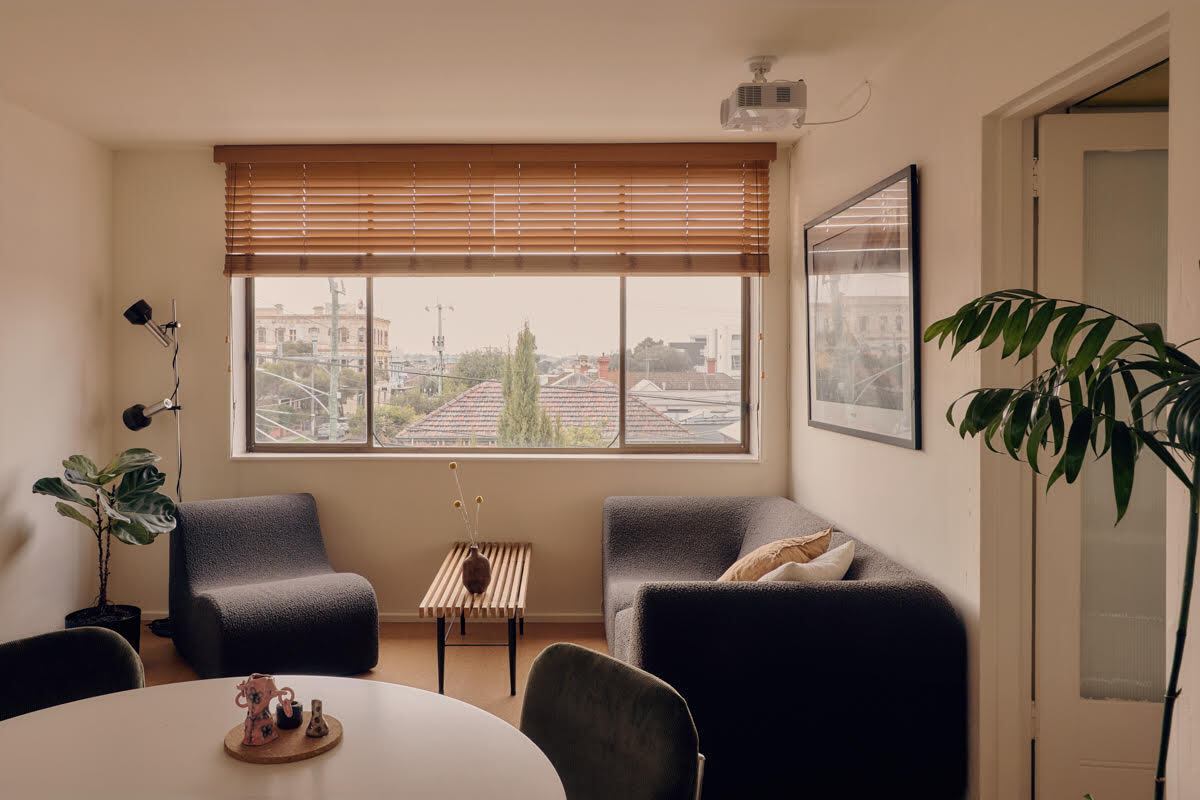


From retrofitting older buildings to smart energy-efficiency tips , Renew CEO Helen Oakey shares five sustainable apartment trends she's seeing right now.
In the 2016 Census, there was approximately one apartment for every five separate houses in Australia, compared with one for every seven in 1991 - reflecting growth in apartment living concentrated primarily within Australia's major capital cities.
Many choose this style of housing because they're often in central locations, they can be easier to maintain, and often more affordable to rent or buy.
The catch is they can be trickier to make energy efficient, with strata rules and shared systems adding complexity that a standalone home may not have.
Renew CEO Helen Oakey has a good eye for where sustainable housing is heading.
Her organisation runs Sustainable House Day, the annual event where homeowners open their doors to share practical, lived experience about building, renovating, and retrofitting homes to be more comfortable, affordable and climate ready.
We asked her why she thinks sustainable apartment living might deserve a rethink.
1. Retrofitting older apartments is on the rise
Some of the most inspiring homes featured for this year's Sustainable House Day weren't new builds at all.
Projects like School House Town House, where an 1885 school hall was transformed into two energy-efficient homes with a communal garden -- show how older buildings can be adapted, rather than demolished.

This 1970s Terrazzo Treasure is another standout. With its heat pump hot water, split system heating and cooling, induction cooktop and retrofit double glazing, it proves that even time-stamped apartments can become modern, comfortable and efficient.
“Older buildings can be challenging, because each building has individual things that might need work,” Helen says.
“But there are always things you can do.
“Start with sealing. When you're in old apartments, I can guarantee you there's going to be a lot of gaps around windows, skirting boards and floorboards.”
2. All-electric conversions
Another major shift is apartments moving away from gas.
The same 1970s Terrazzo Treasure apartment from above ditched gas entirely, installing a heat pump hot water system and induction cooktop They successfully installed the induction cooktop despite the installation not being straightforward.
This 90s apartment in a '70s building got off gas as part of their apartment renovation, adding a heat pump, induction cooktop and reverse cycle heating and cooling.
“What we're seeing is a trend towards electrification in apartments,” Helen says. “Because they're smaller spaces, apartments can be heated and cooled with energy-efficient split systems, as long as you have somewhere for the external unit.”
Installing induction cooktops can also reduce energy usage, or portable induction hotplates that can sit on your kitchen bench and plug into a standard electrical outlet are another practical and affordable option, including for renters.
“I would also encourage everybody to put electric hot water in their apartments if they can,” Helen says. “It can be complicated if your unit block is hooked up to gas but [it’s] still possible to disconnect.”
"By doing these things, you're reducing your reliance on gas, and if you can disconnect entirely, that can be a real cost saving," she adds.
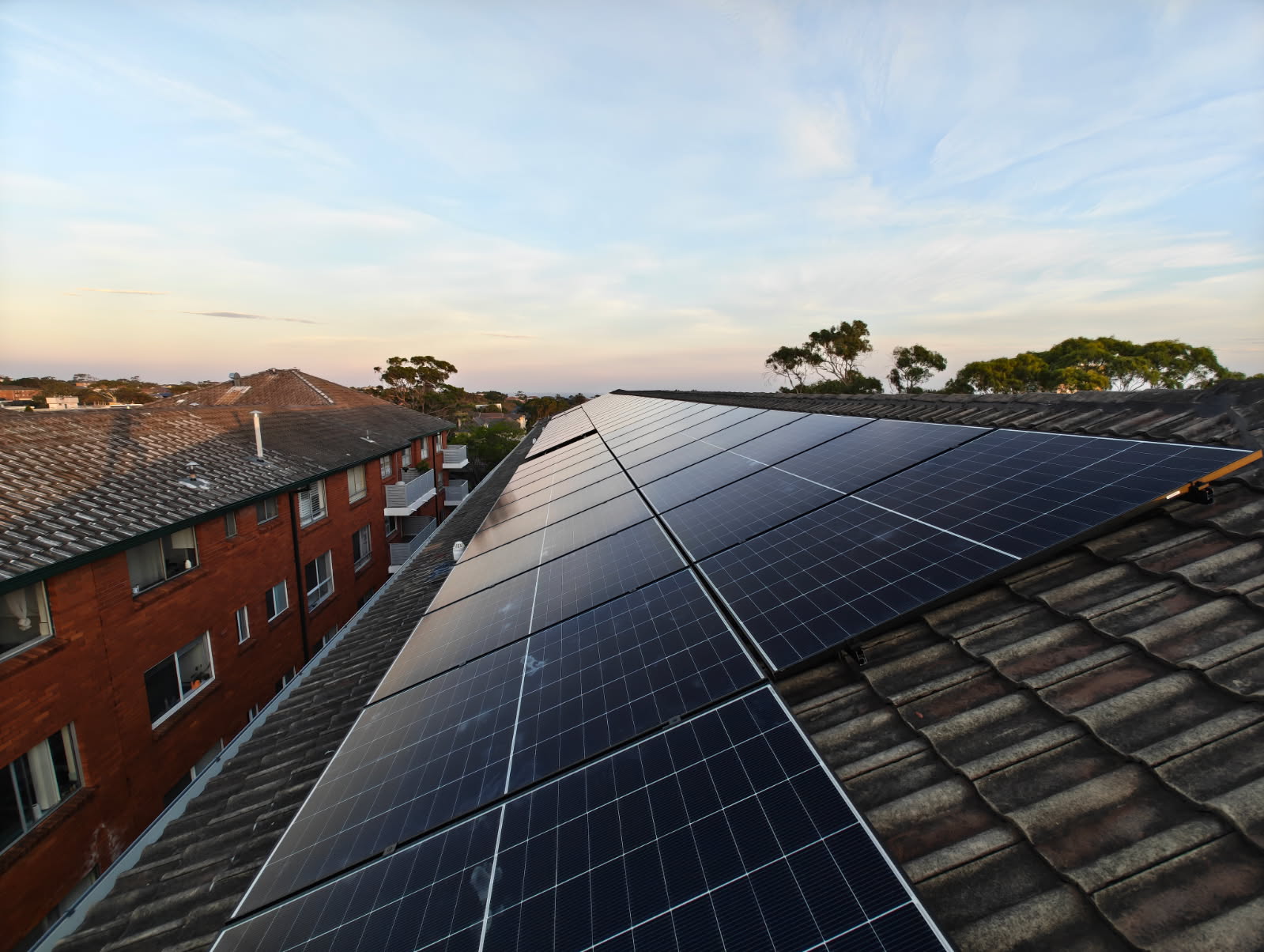
If you've already made eligible energy upgrades to your home, Bank Australia's Clean Energy Home Loan Renovate offers a reduced home loan rate.
3. Community living built in, and built from within
Apartment living highlighted in Sustainable House Day is becoming more community focused, with residents increasingly sharing spaces, facilities and sustainability projects.
At Sydney's Belvedere Gardens, residents banded together through their owners' corporation to deliver building-wide upgrades like solar panels, a battery system and double-glazed windows.
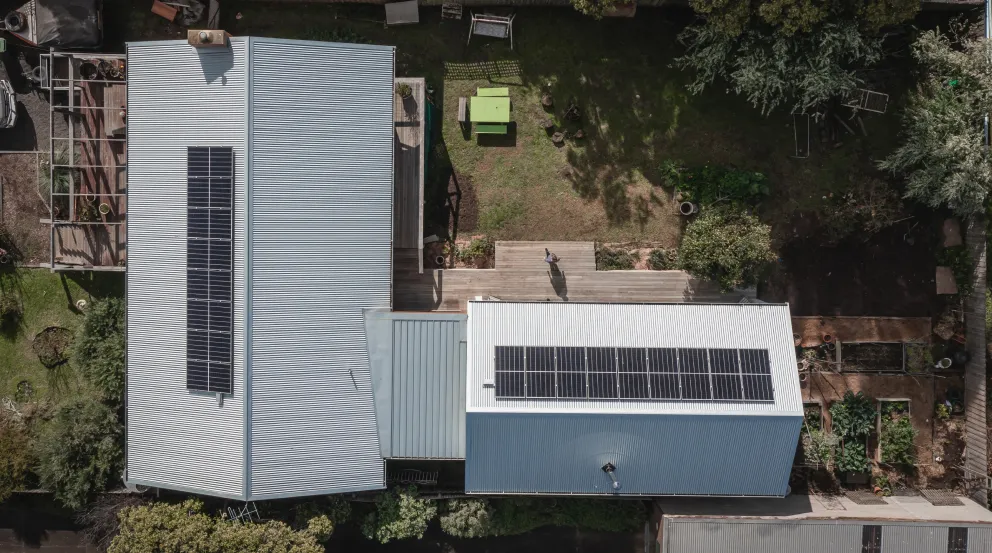
The owners' corporation of this 1960s Brunswick West apartment block upgraded their solar panels last year with the help of government grants.
Nightingale's Urban Coup co-housing in Melbourne is an intentional, multi-generational community development, with shared EV chargers, gardens, building maintenance duties and even twice-weekly common meals.
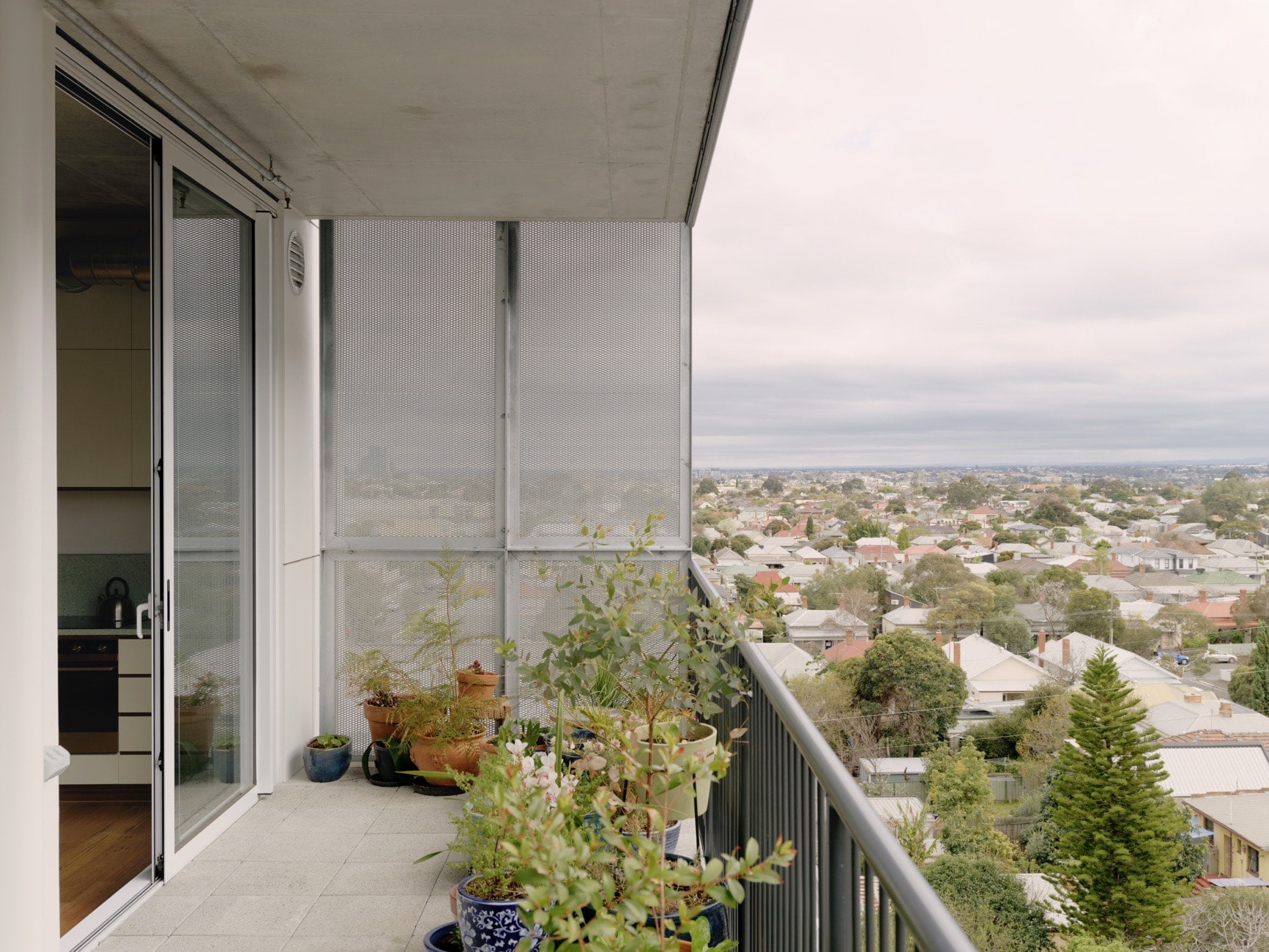
“When people feel connected in their community, they're actually happier,” Helen says.
“You don't have to be best friends, but being able to walk out the door and say hello to someone can help you feel less lonely.”
And while owners corporations are often seen as a barrier, they can be powerful vehicles for change when a community is consciously nurtured.
Owners can have more influence than they may realise through knowing each other and working together.
“An owners corporation isn't run by the property managers or someone distant [in these communities],” Helen says. “It's the owners. It's you."
With a well-researched business case, for solar panels, say, it may be possible to unlock building sinking funds (reserves set aside for major works) and deliver upgrades that benefit everyone, she explains.
For Bank Australia team member Imogen, visiting the 1960s Brunswick West property on Sustainable House Day gave her a new perspective on how apartment living can foster community.
“Seeing the owner bring her neighbours together was genuinely inspiring,” she says.
“They identified what needed doing, worked out how to fund it together, and made it happen.
“Costs came down and the process brought the community of the complex closer together.”
4. The use of recycled materials in renovations
Upgrading doesn't have to mean buying new.
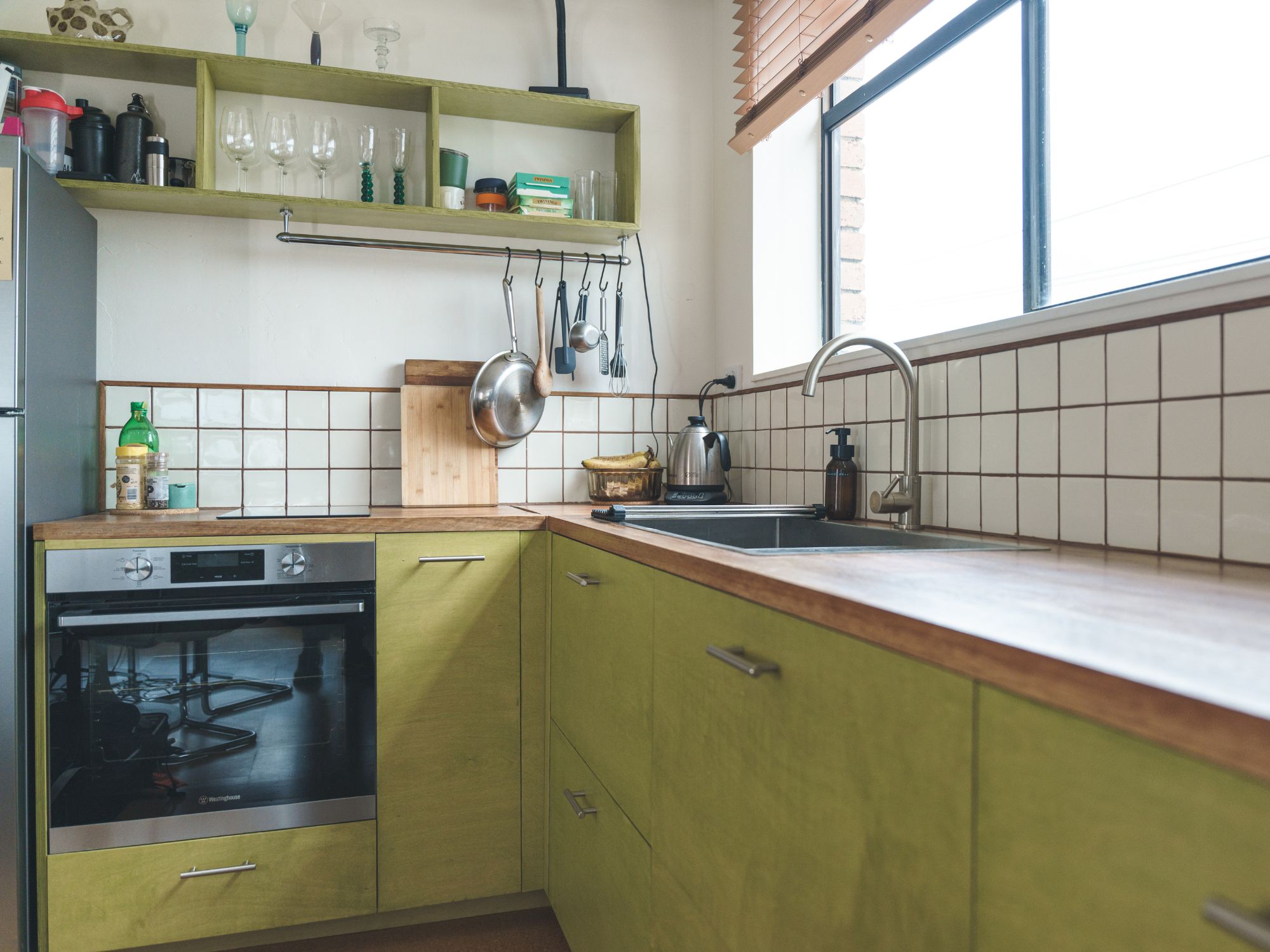
At Bank Australia customer Shaun's West Brunswick apartment, recycled timber benchtops, repurposed fluted glass and offcut plywood joinery gave his space more character while making it cheaper to renovate. He also replaced the old carpet with natural cork.
LiamNeal-02014-2000x1333-282f2dd.jpg)
This '90s apartment renovation used salvaged doors and timber benches throughout.
Apartments may have a clear advantage here as “fit outs can be a lot cheaper because you're working on a smaller footprint,” Helen explains.
5. Renters are getting more rights
Helen believes national rental efficiency standards are overdue.
"It is untenable to provide housing that is not safe for the people living in it," she says.
The ACT already has minimum energy efficiency standards for rentals in place, and NSW is actively consulting on similar reforms.
In Victoria, new minimum energy efficiency standards take effect in phases from 1 March 2027, so when a heating or hot water system reaches end of life, Victorian landlords will need to replace it with an efficient electric alternative.
From the same date, new Victorian rental agreements will also need to include an energy-efficient cooling system in the main living area, which can also be used for efficient heating. All Victorian rentals must meet this standard by 1 July 2030.
Wherever you rent, Helen suggests that simple upgrades can make a big difference:
- Sealing gaps around windows, doors and skirting boards ( If you're still using gas appliances, seek expert advice before sealing to maintain ventilation and ensure safety)
- Hanging heavy curtains on west-facing windows (op shops are great for these, or bubble wrap works too)
- Using ceiling or pedestal fans to circulate air
- Fitting fly screens so windows can be opened safely for ventilation
Sustainable living in action
As Sustainable House Day showed, sustainable apartment living is already happening.
All 240 home profiles are available online, with detailed descriptions, images and video tours.
Explore Sustainable House Day’s real home electrification and retrofit projects.
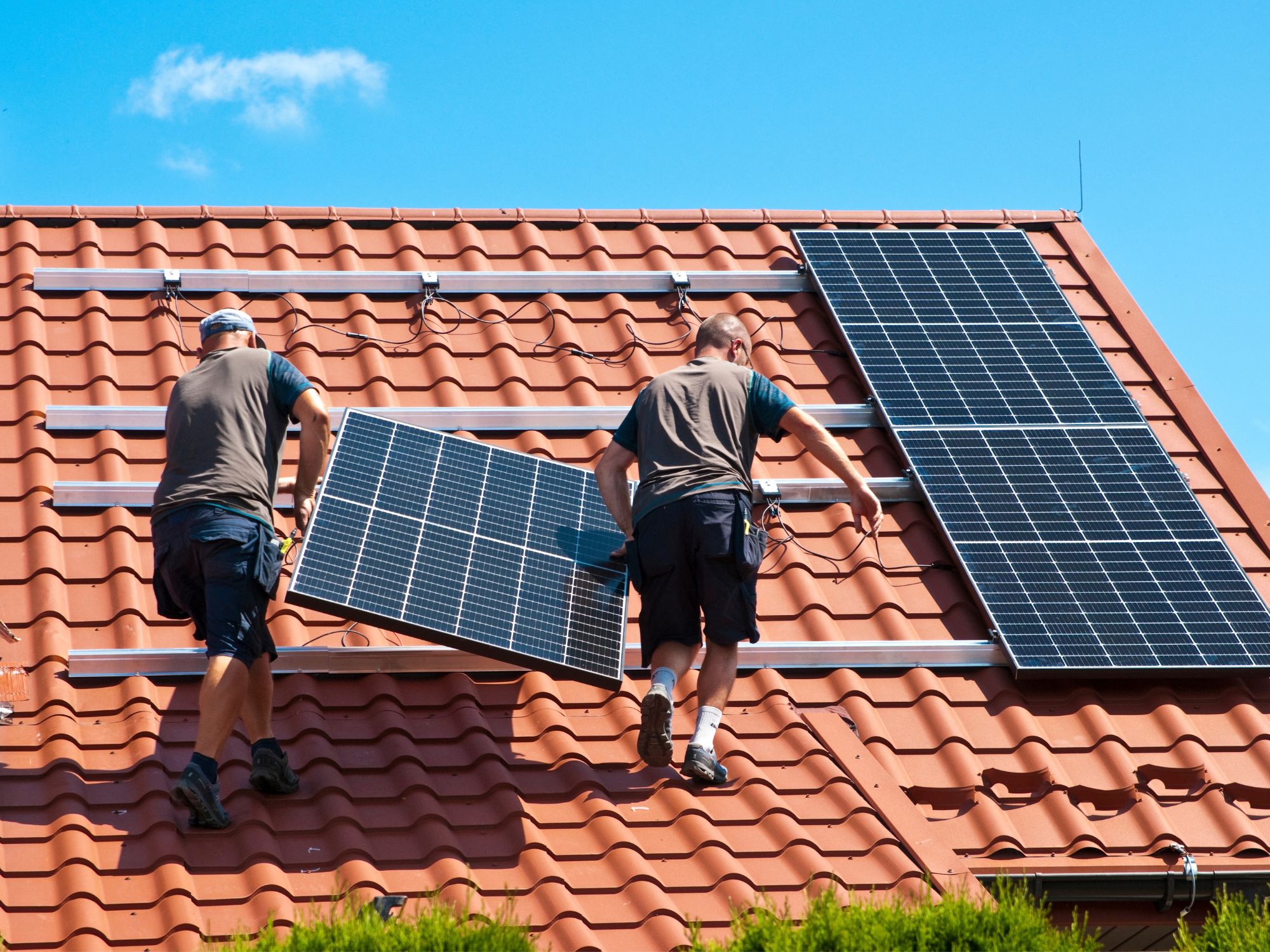
Bank Australia's Clean Energy Home Loan is designed for purchases or refinances of electric, energy-efficient homes.

LiamNeal-09381-1200x800-5b2df79.jpg)





LiamNeal-0224-1200x799-779f864.jpg)




.webp)