

.svg)


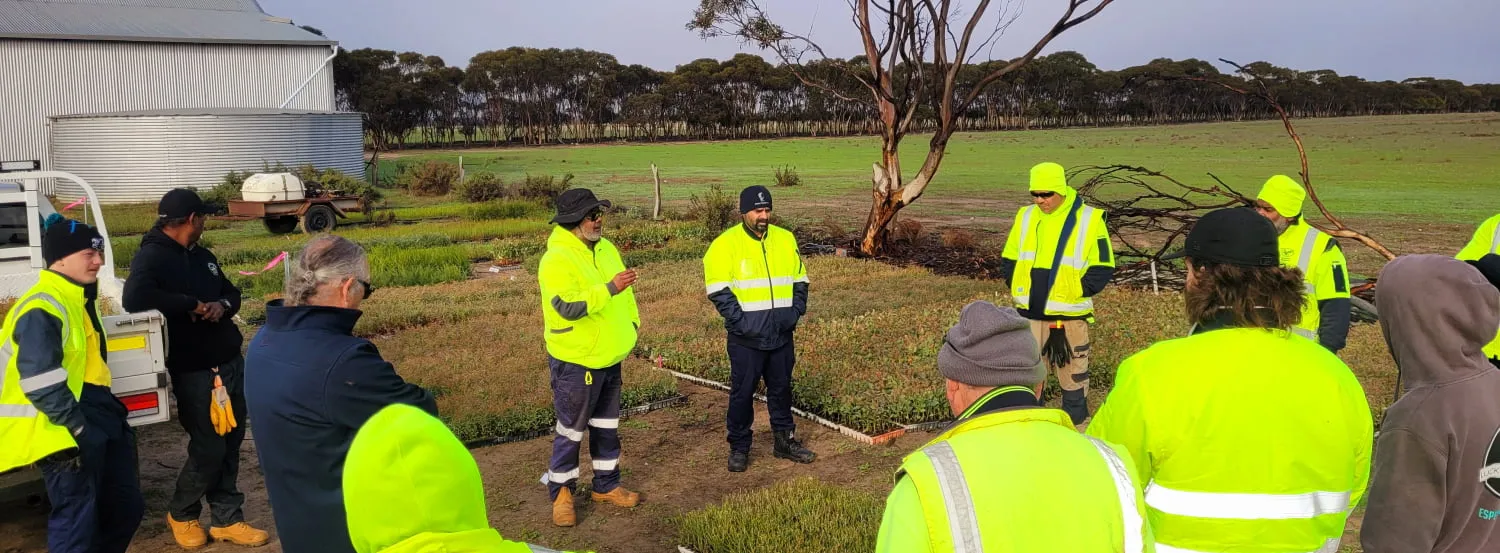


Kepa Kurl is the Wudjari name for Esperance. The Wudjari people, the local Traditional Owners, are taking a novel approach to supporting First Nations reconciliation, climate action and nature recovery through a carbon farming project. They are pursuing economic opportunities through carbon markets, supported by a Bank Australia impact loan.
The Esperance Tjaltjraak Native Title Aboriginal Corporation (ETNTAC) has been recognised with native title rights and interests for nearly a decade, and in that time, they’ve made inroads to restoring the land to how it would have been before colonisation. They have also been exploring economic and business opportunities, including carbon farming through the creation of high quality carbon offsets.
Bank Australia’s impact loan has supported ETNTAC in the purchase of a highly culturally significant and important property known as ‘Shaster Downs’.
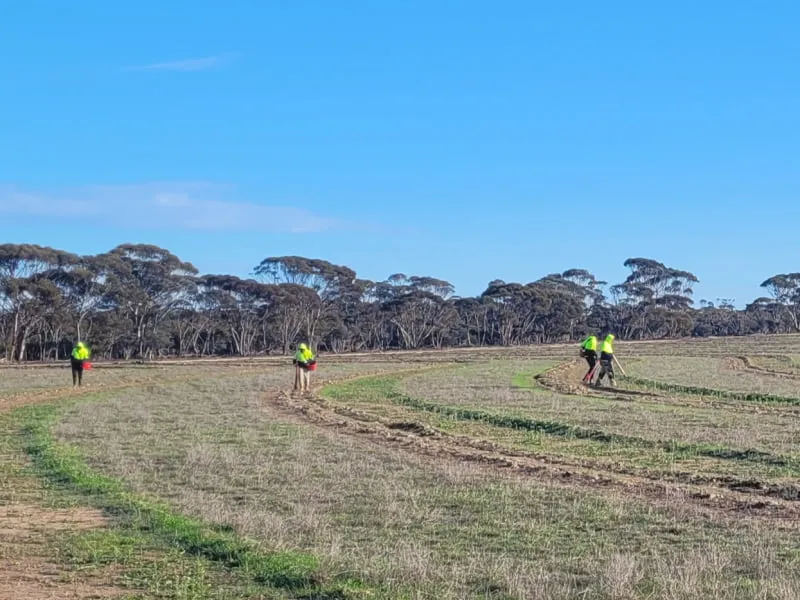
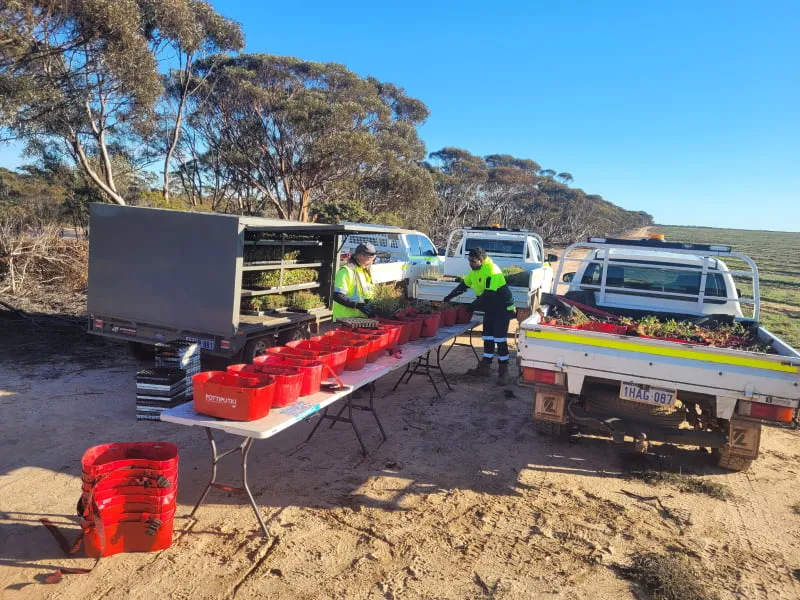
ETNTAC’s carbon farming activities involve planting trees that draw down greenhouse gas emissions from the atmosphere. Carbon credits are then generated, which are sold to offset emissions from other businesses.
Carbon offsets are part of a transition in our economy, with a goal of avoiding emissions rather than offsetting. ETNTAC is careful to sell credits to values-aligned businesses and has ruled out selling credits to businesses in the fossil fuel industry.
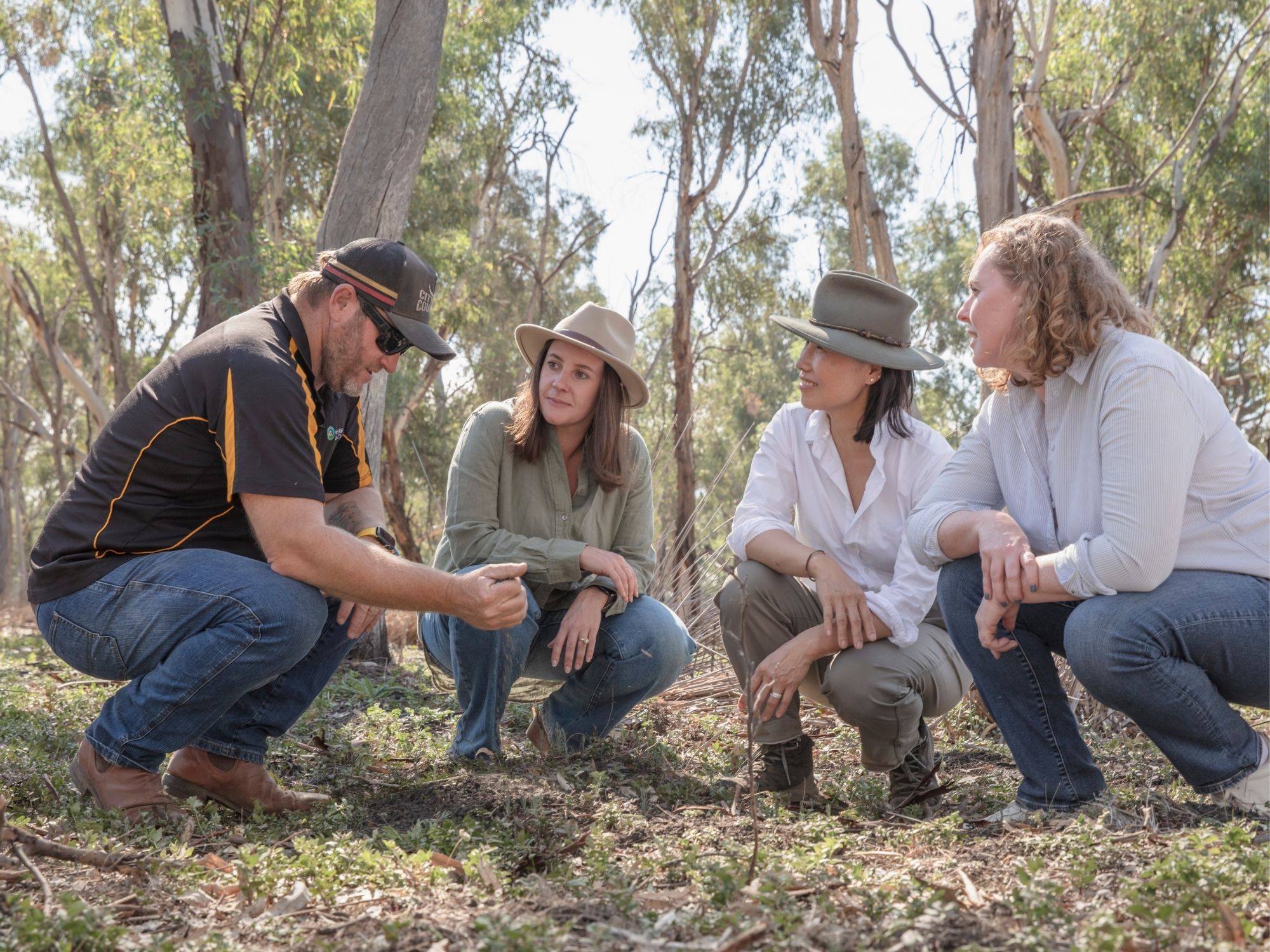
ETNTAC’s carbon farming operations now spans close to 5,000 hectares, and the recently purchased ‘Shaster Downs’ property is home to an existing blue gum plantation. The ETNTAC team is aiming to restore the property to resemble surrounding bushland.
“First Nations people have looked after Country for time immemorial and our knowledge and respect for the land and water runs deep. Healing Country takes time and requires cooperation from lots of different people. Bank Australia is really proud to support this great project,” said Rafe Pfitzner Milika, First Nations man and Reconciliation Strategy Manager.
The carbon farming project has created a range of economic opportunities for the local Traditional Owners, and ETNTAC employs almost entirely First Nations staff. CEO Peter Bednall says Bank Australia was a logical choice for their loan because of the shared values across both organisations.
“ETNTAC is committed to supporting the Kepa Kurl First Nations community rebuild the wealth taken from them as the lands in the Esperance region were cleared and developed into some of the most profitable broad-acre farming land in the country. Participation in the restoration economy provides ETNTAC with the opportunity to acquire back legal title to lands on behalf of the community, but this cannot happen without access to finance.’’
ETNTAC has worked closely with Carbon Neutral to ensure the carbon credits they generate can be bought and sold on carbon markets and are owned by ETNTAC. Peter says the organisation is thinking carefully about what comes next for the project, and how to ensure the environmental and cultural benefits of the project remain strong.
This case study was featured in our Impact Report to read more about our impact over the 2024 financial year you can read the full 2024 Impact Report here.
-1200x800-5b2df79.jpg)


LiamNeal-03695-1200x800-5b2df79.jpg)