.svg)


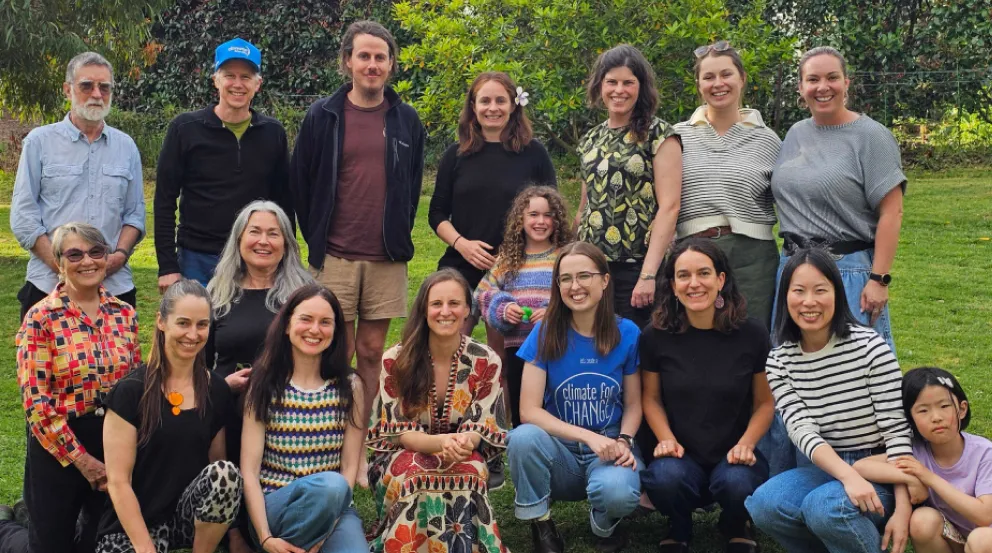
An environmental education centre, community garden, urban farm and social enterprise hub all rolled into one, Bank Australia customer CERES has inspired people to fall in love with the earth for the past 40 years.
When a group of Melburnians got together in 1982 to grow vegetables on a barren landfill site, little did they know that the project would evolve into an award-winning sustainability juggernaut.
Now operating in four locations across Wurundjeri Country, Melbourne, it all began at a Brunswick East site now known as CERES Community Environment Park. Home to an organic farm, nursery, café, grocery store, and more, the urban park is a green haven in a rapidly changing pocket of Melbourne’s inner north.

The longstanding impact of having a space like CERES in the city can’t be underestimated. “I often meet people in their 30s and 40s who say they had a formative experience at CERES when they were young,” says Ben Manassah, Strategic Partnerships Coordinator at CERES. “People often remark how it helped shaped their values and perception of the environment.”
As the sum of many parts, CERES means different things to different people. Some people shop at the organic grocery store and nursery, others join the Bee Group to start beekeeping, and many attend CERES School of Nature and Climate workshops to learn about permaculture, composting, cheesemaking, and fermenting. Then there’s the micro-bakery producing bread from locally milled organic flour, and a bike shed recycling donated bikes that would otherwise end up in landfill.
Looking to align with suppliers that share common values, CERES became a Bank Australia customer six years ago. “We consider the impact and ethical positioning of all the vendors and organisations we partner with. From our café to back office, we work with community-focused, ethical suppliers,” says Ben.

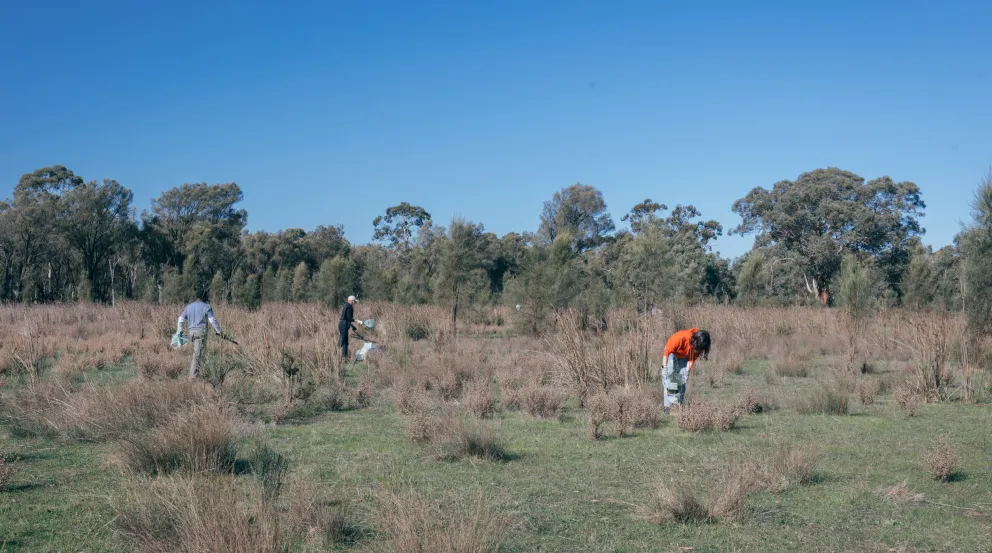
Farming is central to the operation, with several certified organic farms providing a hyper-local food network as well as opportunities for thousands of school kids to learn about sustainable food production each year.
“CERES is a working demonstration of how local economies and food networks can work. It’s clear that this model resonates with the community,” says Ben.
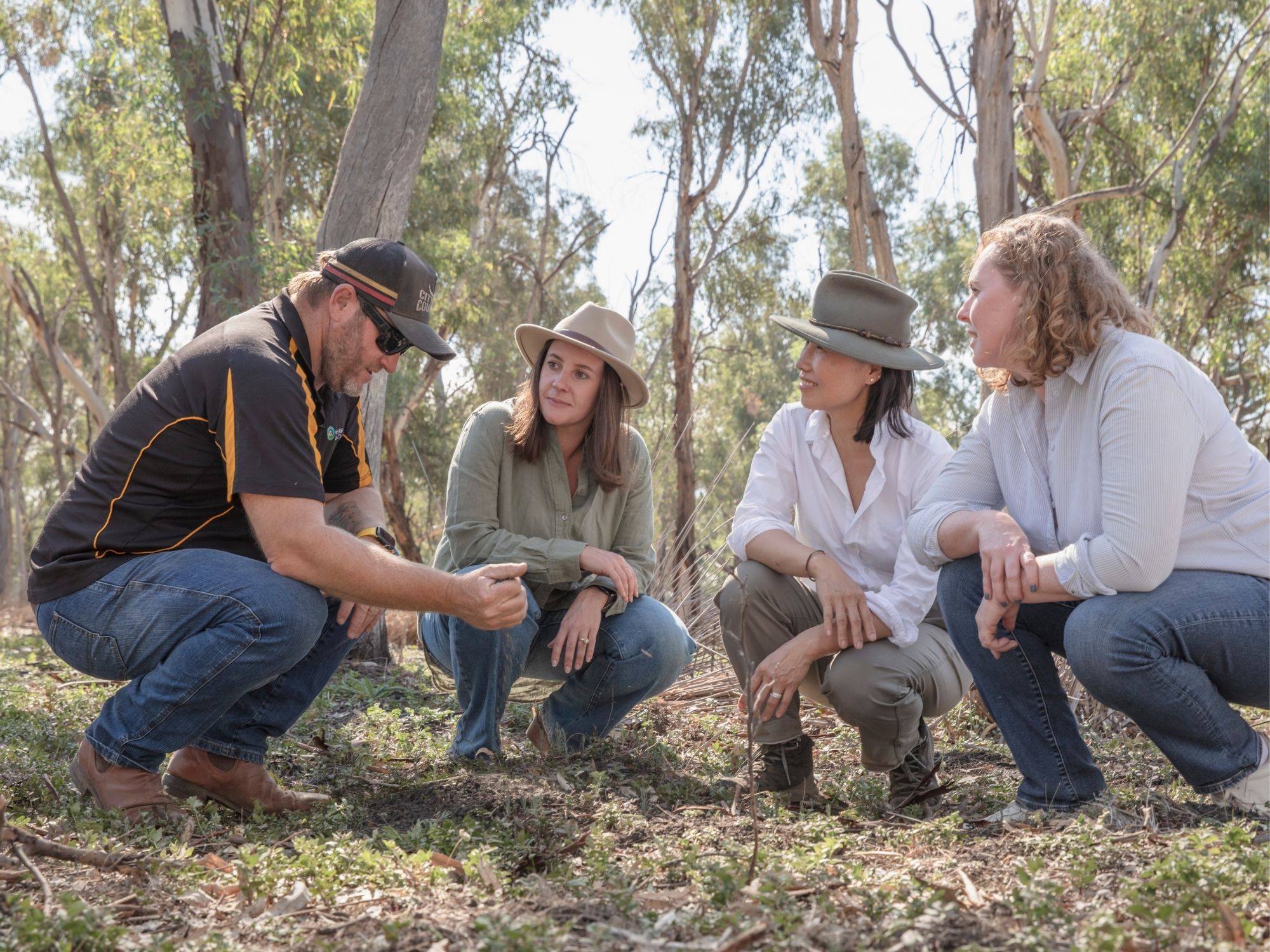
Rachel Rubenstein has farmed at CERES Honey Market Lane Garden for two years.
“We’re demonstrating the importance of a local food system by growing vegetables in the city. The vegetables are used onsite at the Merri Cafe and sold through CERES Grocery. We also have 250 chickens that roam around eating the weeds collected from around the park. Their eggs are also sold at CERES Grocery,” says Rachel.

Evidently, CERES has mastered ‘vertical integration’, a term the CERES team use to describe the process of growing seedlings on the farm, that produce seedlings sold in the nursery and food served in the cafe and grocery store. With vertical integration, CERES isn’t reliant on an external supply chain to keep the farm and associated businesses productive.
From the farm to the nursery, CERES social enterprises strengthen the local economy and carry a timely message. For example, CERES Fair Wood sells sustainably sourced timber to builders and DIYers. The social enterprise employs local people to prepare the lumber (including timber salvaged from trees felled during storms) but also inspires the community to consider where their building materials come from.
Community engagement was challenging during the pandemic, so in 2021 CERES ran the Backyard Bee Census, a citizen science project that encouraged people to submit data on backyard pollinators. The aim was to bring people closer to nature in an easy, accessible way during lockdowns.

“We wanted to spread joy and help people to feel empowered and connected. Watching a plant or a flower in your backyard or on the nature strip is a meditative experience. When we’re caught up in our day, those little moments can easily pass us by,” Ben explains.
Beyond what happens across the four sites, the hope is that people will take what they learn at CERES and apply it in their own backyards.

“CERES is an oasis within the city that I feel lucky to be able to work at. It’s an amazing place where we constantly meet people, share ideas, and learn from each other. I love providing an example of what growing food in the city can look like and how you can do that at home,” says Rachel.
LiamNeal-03695-1200x800-5b2df79.jpg)

.webp)