.svg)




In brief: The weeks after a bushfire can determine whether wildlife and local landscapes recover.
Bushfires have already burned through large areas of north east, central and western Victoria in the first weeks of summer. Fires this early in the season point to increasingly severe conditions, driven by climate change and hotter, drier weather.
What happens next matters just as much as the fire itself.
The months after a bushfire are a critical window for recovery. When action happens early, landscapes have a far better chance of regenerating and wildlife has a greater chance of surviving.
This article explains why post‑fire recovery is so fragile, why private land plays a vital role, and how targeted support can make a lasting difference for nature and wildlife.
Why early recovery is critical
With fires occurring earlier in the season and conditions expected to worsen as summer continues, the scale of damage from this bushfire season is significant.
While emergency response focuses on protecting lives and homes, recovery begins once the fire has passed. This phase unfolds over months and years, not days.
Without early intervention:
- wildlife is left exposed to predators
- weeds and feral animals can overwhelm regrowth
- decades of conservation effort can be undone
Early recovery work helps prevent further loss and supports ecosystems to recover over time.
The role of private land in conservation
Across Victoria, more than 130 privately owned conservation properties have been affected by recent fires.
Much of Australia’s threatened species habitat sits outside national parks. In highly cleared states like Victoria, conservation covenants and Land for Wildlife properties provide critical refuges and wildlife corridors.
These landscapes are cared for by landholders who have spent years, and often decades, restoring habitat so native species have somewhere safe to live.
When fire strikes, recovery on private land can determine whether entire local populations survive.
A landholder’s story from Mildura
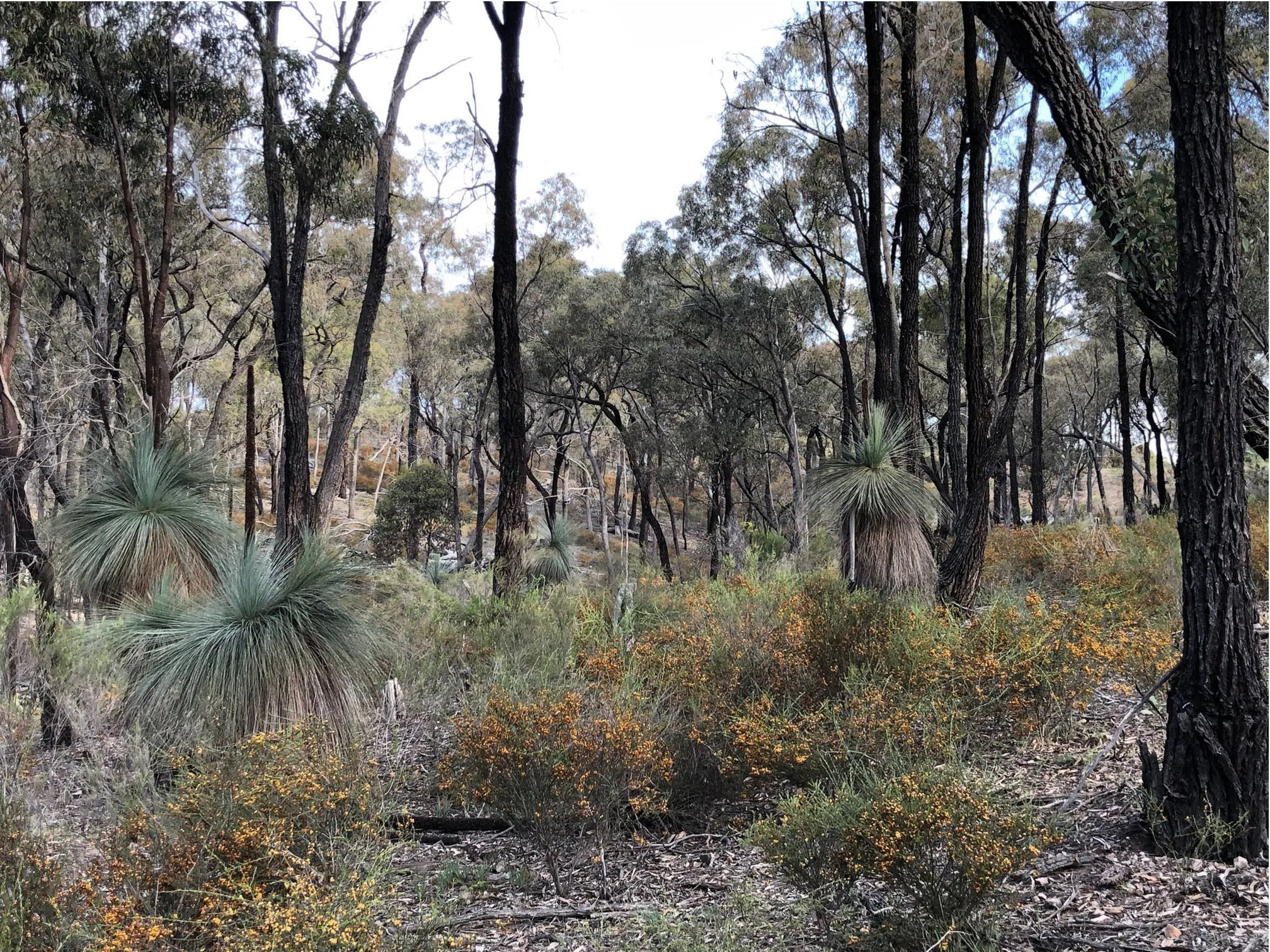
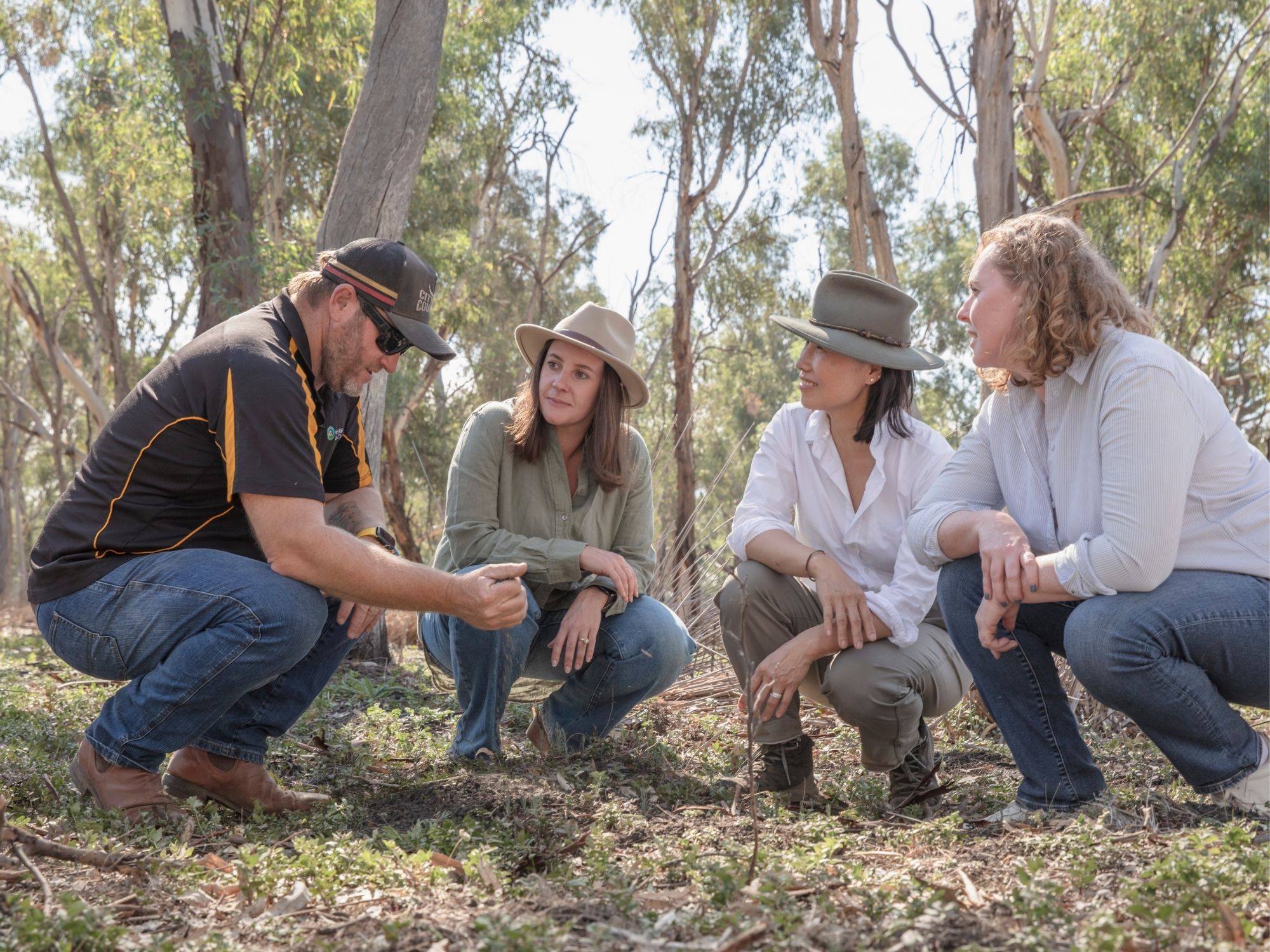
For Fiona Murdoch, Mallee Conservation, the impact of fire became real when around 160 hectares of her 500 hectare conservation property near Mildura burned.
Her property, Raakajlim, has been under a conservation covenant since 2001. Years of careful restoration have helped protect native vegetation and threatened species.
“Some of the habitat that burned isn’t naturally resilient to fire,” Fiona says.
“We’ve got trees hundreds of years old that have burned. It’s irreplaceable.”
Around 53 hectares of revegetation were damaged, along with habitat for the endangered Mallee Bronze Azure Butterfly.
Fire also destroyed sections of a 13 kilometre electric fence that helps keep feral pigs out of sensitive wetlands and native vegetation.
“Our absolute priority is restoring the fence,” Fiona says.
“We have to keep feral pigs out of important wetlands on the property. Pigs are abundant in the area at the moment.”
.webp)
Why recovery after fire is so fragile
Once vegetation is lost, landscapes become vulnerable very quickly.
Without ground cover:
- native animals are more exposed to foxes and other predators
- feral pigs, deer and goats can damage fragile regrowth
- weeds can spread rapidly if not managed early
These pressures can prevent recovery before it has a chance to begin.
How early action supports long term recovery
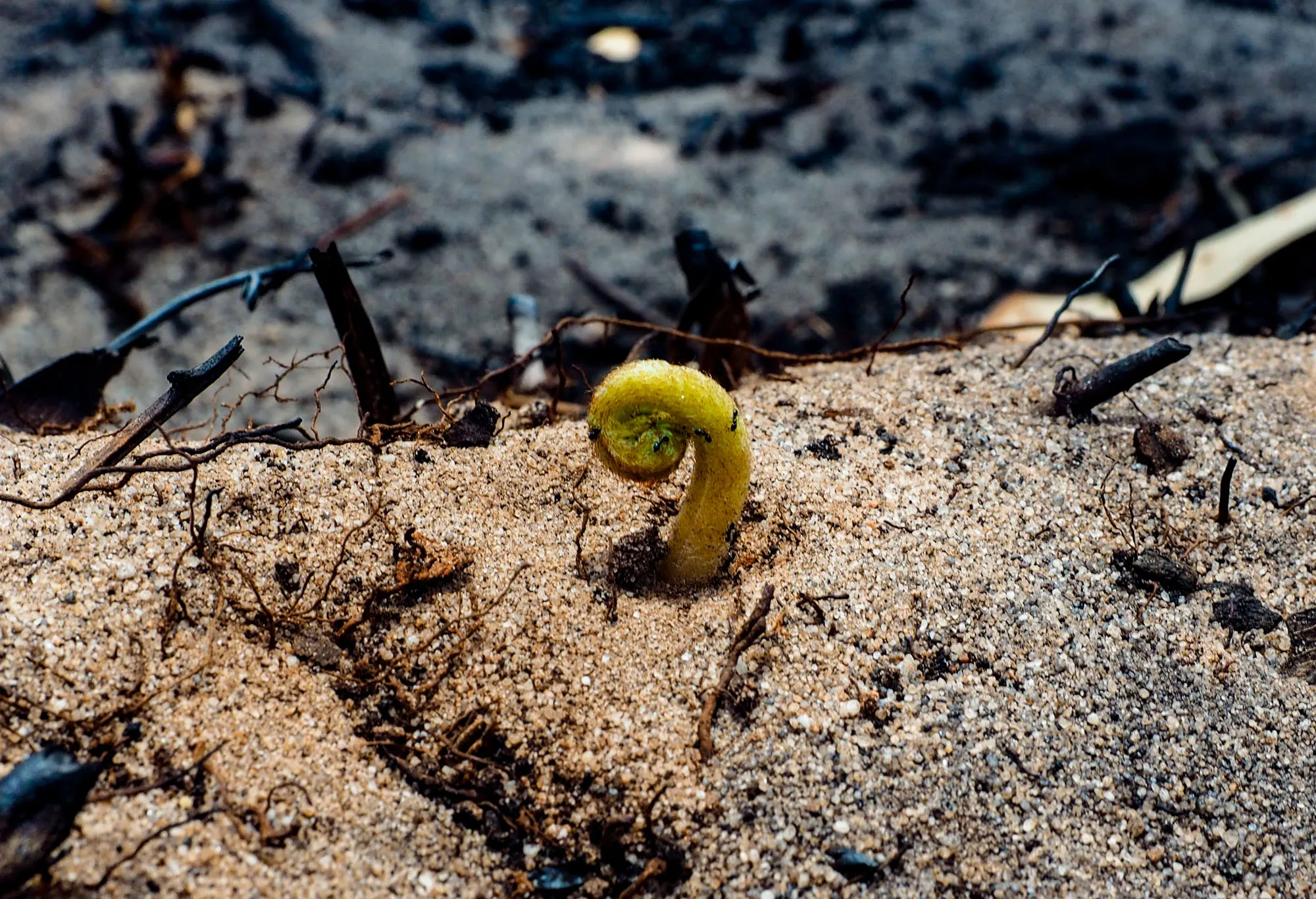
Although the damage from fire can look overwhelming, nature is resilient - and with the right interventions to restore damaged habitats, recovery is likely.
Native ecosystems can regenerate when they are given time, protection and targeted support. Early recovery actions such as:
- repairing fences
- controlling pests and weeds
- protecting emerging vegetation
can dramatically improve outcomes for wildlife in the years that follow.
“Although it looks devastating now, habitat will bounce back,” says Trust for Nature CEO Corinne Proske.
“But in the face of climate change and other pressures, it is vital that we do what we can to help nature and wildlife recover.”
Why Bank Australia supports this work
Bank Australia works with Trust for Nature, including through our own conservation reserve. We share a long term commitment to protecting nature and responding to the impacts of climate change.
Supporting post‑fire recovery on private conservation land aligns with our focus on caring for communities, landscapes and future generations.
How you can support recovery
Funds raised through the Landholder Support – Bushfire Recovery Appeal will go directly to practical recovery work on private conservation land.
This support helps ensure fire‑affected landscapes can recover and remain safe places for wildlife to live and thrive.

LiamNeal-03695-1200x800-5b2df79.jpg)