


.svg)


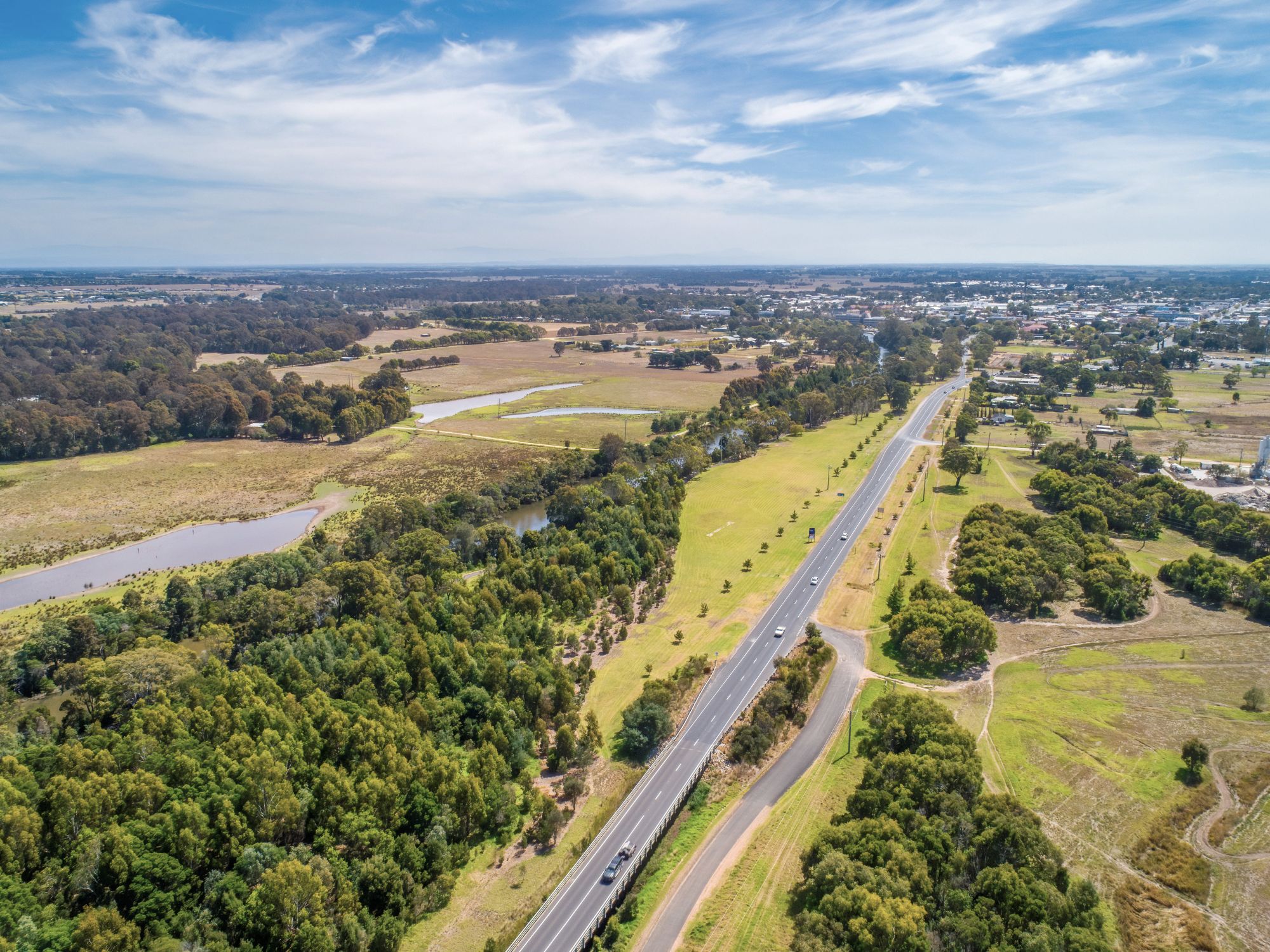


In regional Victoria, Mycelia Renewables is a social enterprise working to improve energy affordability and reliability, plus strengthening community resilience along the way. Here’s how a Bank Australia community customer grant has supported their work, and their energy efficiency tips for regional homes.
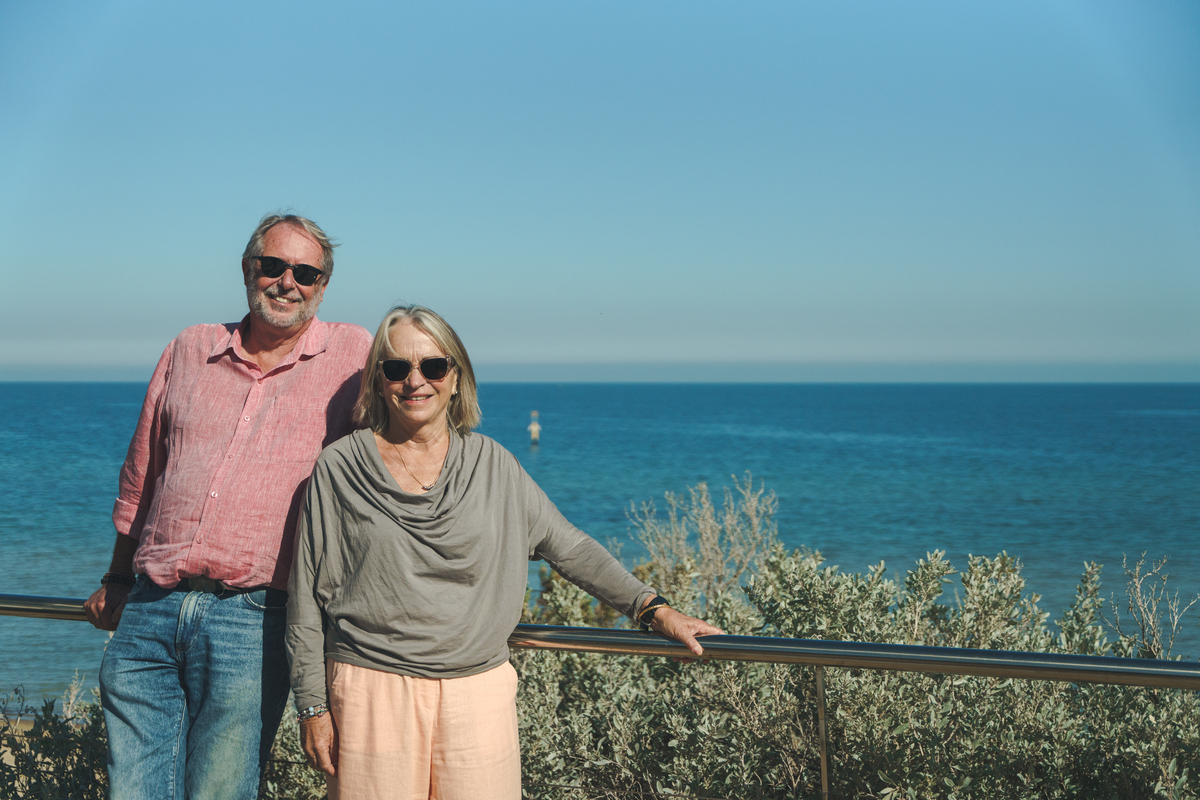
For some people living in regional communities, energy stress can go beyond the bottom line of their monthly bill. As Venus Bay resident Tracie says, a power outage in her community can mean “no water, showers, toilet, cooking or heating”.
With household comfort and convenience front of mind, the path to a comfortable and more energy efficient home can look very different once you get out of the city.
That’s the gap Mycelia Renewables is looking to address.
Mycelia Renewables is making the energy transition more equitable
Based in Gippsland, Mycelia Renewables is a social enterprise working with First Nations and regional communities to make Victoria’s transition to renewable energy fairer.
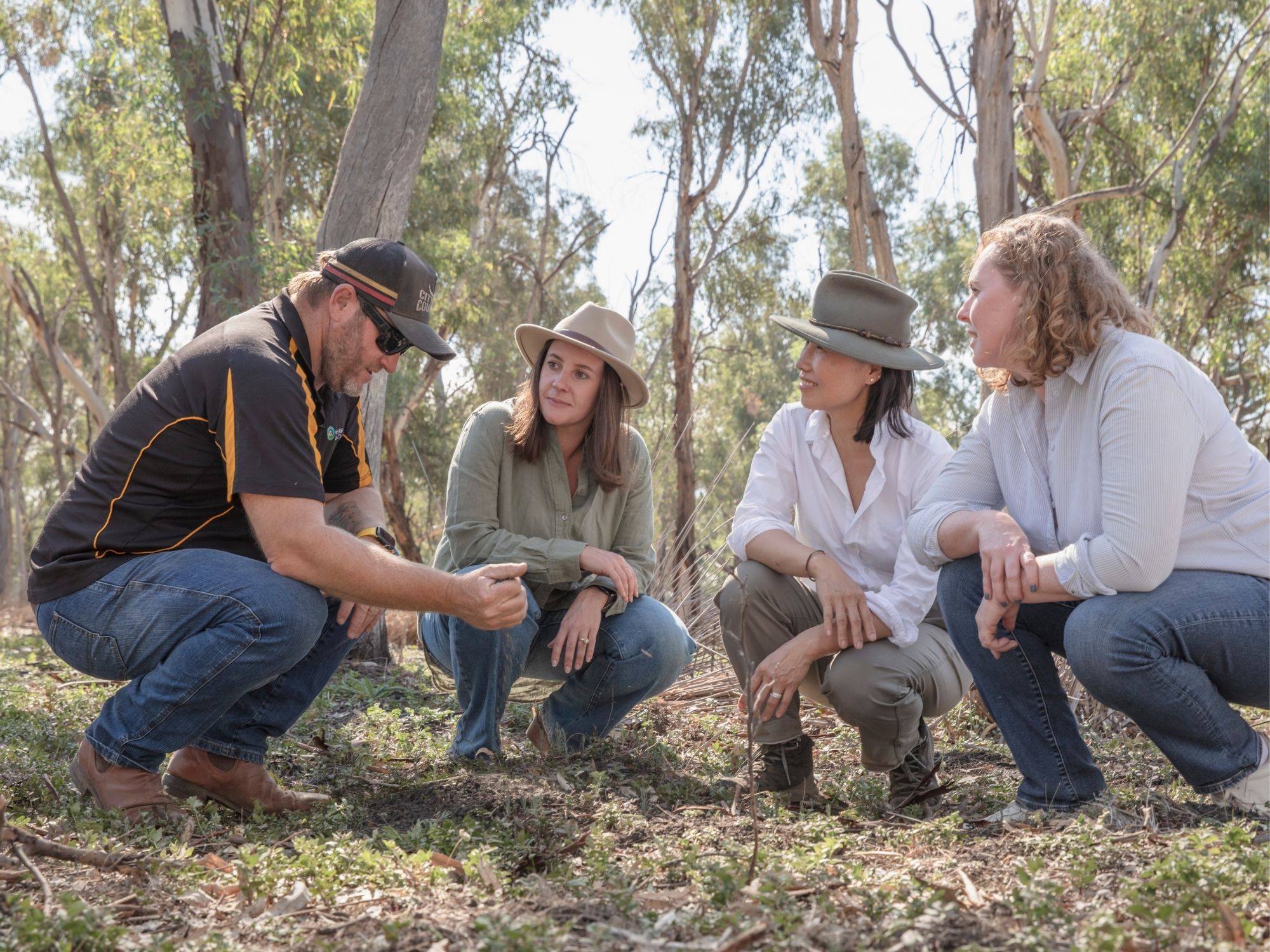
Its CEO, Moragh Mackay, says many regional households face barriers that city folk rarely think about:
- Fewer local tradespeople and higher travel costs to bring specialists in. “There may be no one in the local area who can do an assessment and upgrade,” Moragh says.
- Less access to trusted, independent advice.
- Less of a precedent for efficiency and electrification. “People want to hear from someone they know down the street who's had a great experience," Moragh says.
- Often, old and low energy- and efficiency-rated housing stock.
Moragh also says that while broad energy policies are great, they can leave vulnerable groups behind.
"There's been some awesome policies and programs in Victoria to help accelerate the uptake of renewable energy, but they're generalised, and that one-size-fits-all approach leaves people out," Moragh says.
This includes renters, older homeowners, and people lacking the time and know-how to navigate the system alone.
Mycelia’s suite of programs aims to support these people, specifically through the Mycelia Energy Collective.
This program brings households and businesses into a benefit-sharing scheme, making local renewable energy accessible to everyone.
This includes:
- Building energy literacy via community events (like bill-reading and usage-habit sessions).
- One-on-one consulting.
- Delivering efficiency and electrification assessments and upgrades for households that may otherwise struggle to access them.
How a Bank Australia grant helped
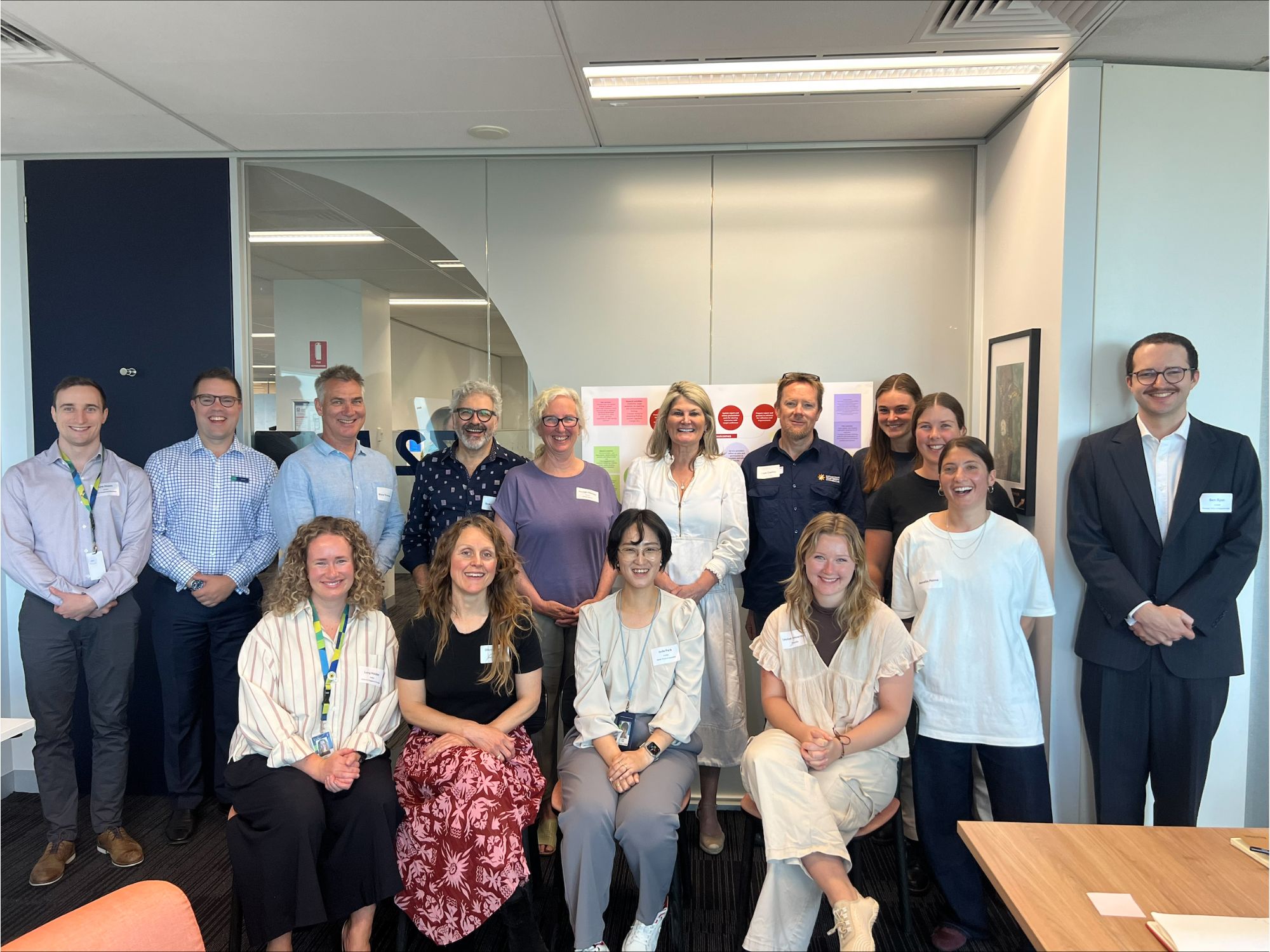
The Mycelia Energy Collective's work with Loch Resilience Project and Venus Bay Community Centre was supported by a Bank Australia community customer grant, backed by our impact fund (where up to 4% of our annual after-tax profits go towards supporting projects with a positive impact for people and the planet).
The grant directly supported the engagement of 50-60 people in how to use energy more efficiently and saw about 15 home upgrades completed (with more underway).
For Moragh, the relationship with Bank Australia reflects shared values.
“They just felt like an organisation that puts their money where their mouth is," she says.
"The whole thing about it's not profit for shareholders, it's profit for members – that's very aligned with what we're trying to do in terms of capturing value and sharing it more equitably across the communities we work with."
For the people who’ve benefitted from the upgrades, the changes show up in big and small ways. Venus Bay resident Trina, who had underfloor insulation and draught proofing completed through Mycelia, says her house is holding heat better, especially the floors.
“I don't always have to put my slippers on first thing in the morning,” she says.
Mycelia’s tips: Where regional households can start
- You don’t need to become an expert. Look to local groups or community organisations (like Mycelia) for support. There are more of them working across regional areas than people may expect.
- Begin with an assessment. It can set out clear, personalised priorities so you know what to tackle first for the biggest impact.
- Sequence matters. Moragh suggests draught proofing first, then insulation, then electrification, followed by solar. “You don’t want to add an oversized solar system to a home that’s still leaking energy,” Moragh says. An important note: if you're using gas appliances at home, seek appropriate advice before sealing draughts, to maintain ventilation and safety.
While the work continues on individual households, Mycelia’s long-term vision is focused on community-owned renewable energy.
Think solar panels and batteries on community halls and shared spaces that can provide power during blackouts or emergencies.
"Community-owned solar and battery systems mean more money captured in local economies, and people paying less for their electricity,” Moragh says. “We need to keep that value in local economies for all our benefit."
Mycelia would love to hear from anyone interested in their work and are eligible for tax deductible donations to support more home energy upgrades for people most in need.
LiamNeal-0224-1200x799-779f864.jpg)