.svg)


.jpg)


In the south-eastern corner of Australia, Nature Glenelg Trust has spent 15 years restoring the natural landscape, including running occasional public fundraisers to help the organisation buy and restore former agricultural land. Here’s how a Bank Australia impact loan helped to support their most ambitious land purchase fundraiser yet.
As agriculture, and more recently urban development, expanded across south-east Australia since colonisation, wetlands were routinely drained and ‘reclaimed’ for farming.
But while human activity has degraded wetlands, people are now playing a vital role in restoring them. Bank Australia customer Nature Glenelg Trust has spent 15 years recovering wetlands across south-eastern Australia.
Their latest purchase, the Wirey Swamp Restoration Reserve, was made possible by a Bank Australia impact loan.
Restoring what was lost
Nature Glenelg Trust (NGT) was founded in 2011 by Mark Bachmann, who was working for the South Australian state government while living just across the Victorian border.
He was frustrated by what he calls the "imaginary line” of the border getting in the way of practical conservation work in the area, and the lack of a locally based non-government organisation to work seamlessly across the border, to focus on the most pertinent issues facing the region.
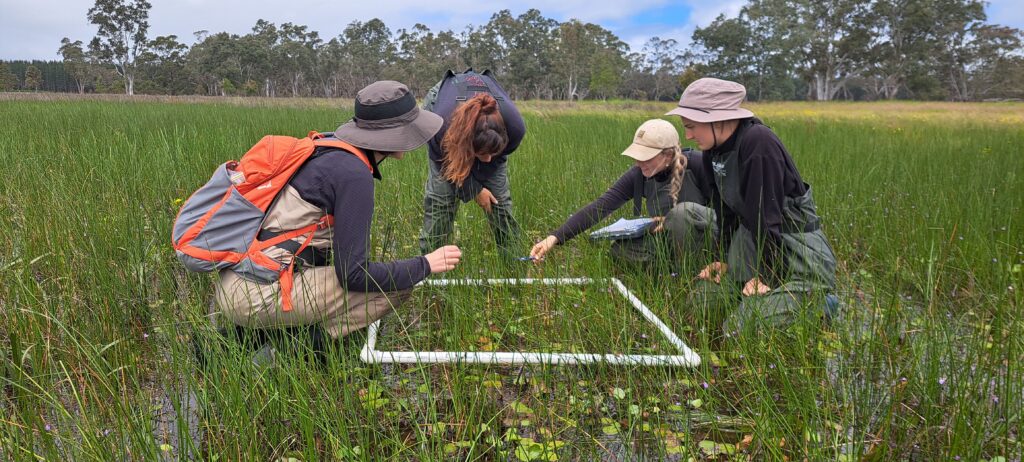
In response, Mark approached a group of trusted colleagues in 2011 and led the formation of a Committee. They launched NGT a few months later, in January 2012, and now – 15 years later – the organisation:
- employs around 35 staff
- has helped restore dozens of wetlands on public and private land, as well as at its own reserves
- owns and manages 10 Permanent Reserves (which act as community demonstration sites), stretching from the Grampians to the coast and to the west beyond the Little Desert National Park, dotted either side of the Victoria-South Australian border, close to Bank Australia’s own conservation reserve).
Why wetlands?
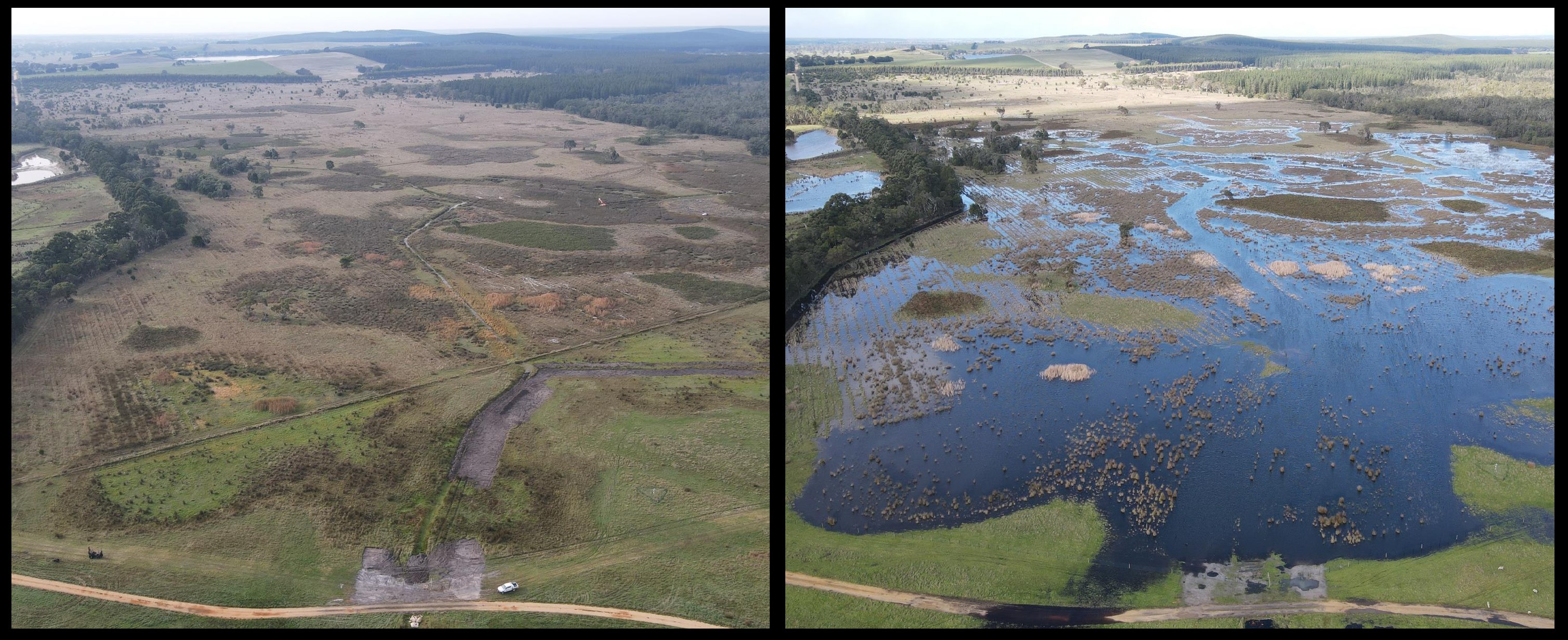
Wetlands became NGT’s focus for one key reason: they are forgiving ecosystems that tend to recover quickly.
If the native seed bank is still intact, reintroducing water can be enough to help those species regenerate.
“Water is the most important driver of the ecology of these systems,” Mark says.
"We can put water back into a wetland that might have been drained for decades, and within a year or two we'll have people who see the site swear they couldn't believe that it had been through decades of other uses.
"If you pick ecosystems like this to work on, where you get rapid recovery, you’re also giving people a genuine sense of hope.”
The species benefitting
Many native species benefit from restored wetland habitats. These include:
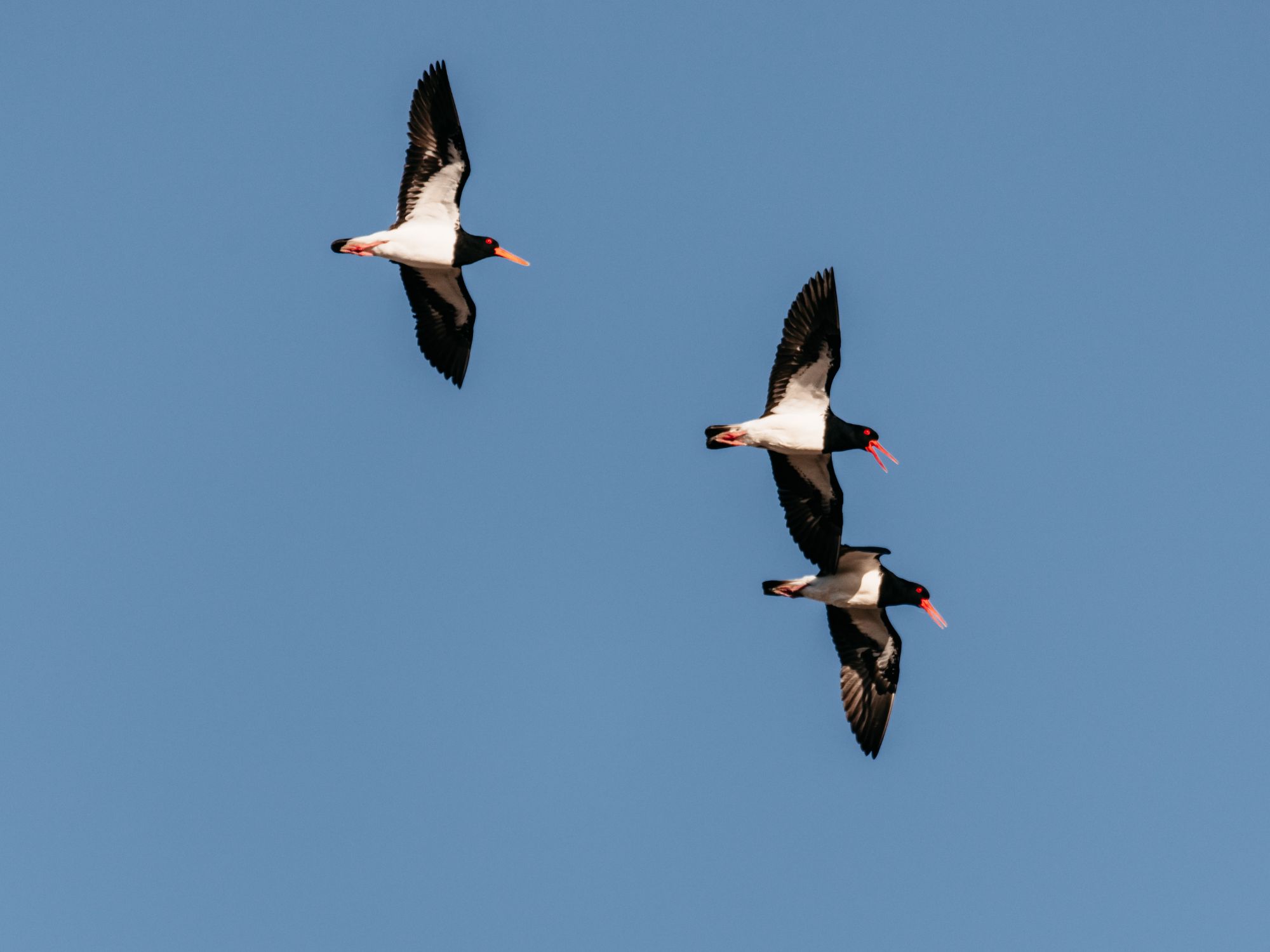
- Brolga – many NGT sites, including Wirey Swamp, are located near flocking and breeding zones for these graceful birds. “By reversing artificial drainage, we make those wetlands more reliable,” Mark says. “This network effect – having clusters of restored wetlands close together – increases our probability of getting recruitment to the brolga population.”
- Growling Grass Frog – NGT recorded this vulnerable amphibian’s call at Wirey Swamp for the first time last year, and even found one adult in the reserve’s first fish survey. “It’s much easier to recover a species that’s still there and hanging on, than it is to bring them in from elsewhere,” Mark says.
- Swamp Everlasting – This endangered plant species is a “really important component of the biodiversity of the site,” Mark says, as it’s at the western edge of its known range at Wirey Swamp.
These species are not the whole story, but act as indicators of broader ecosystem health.
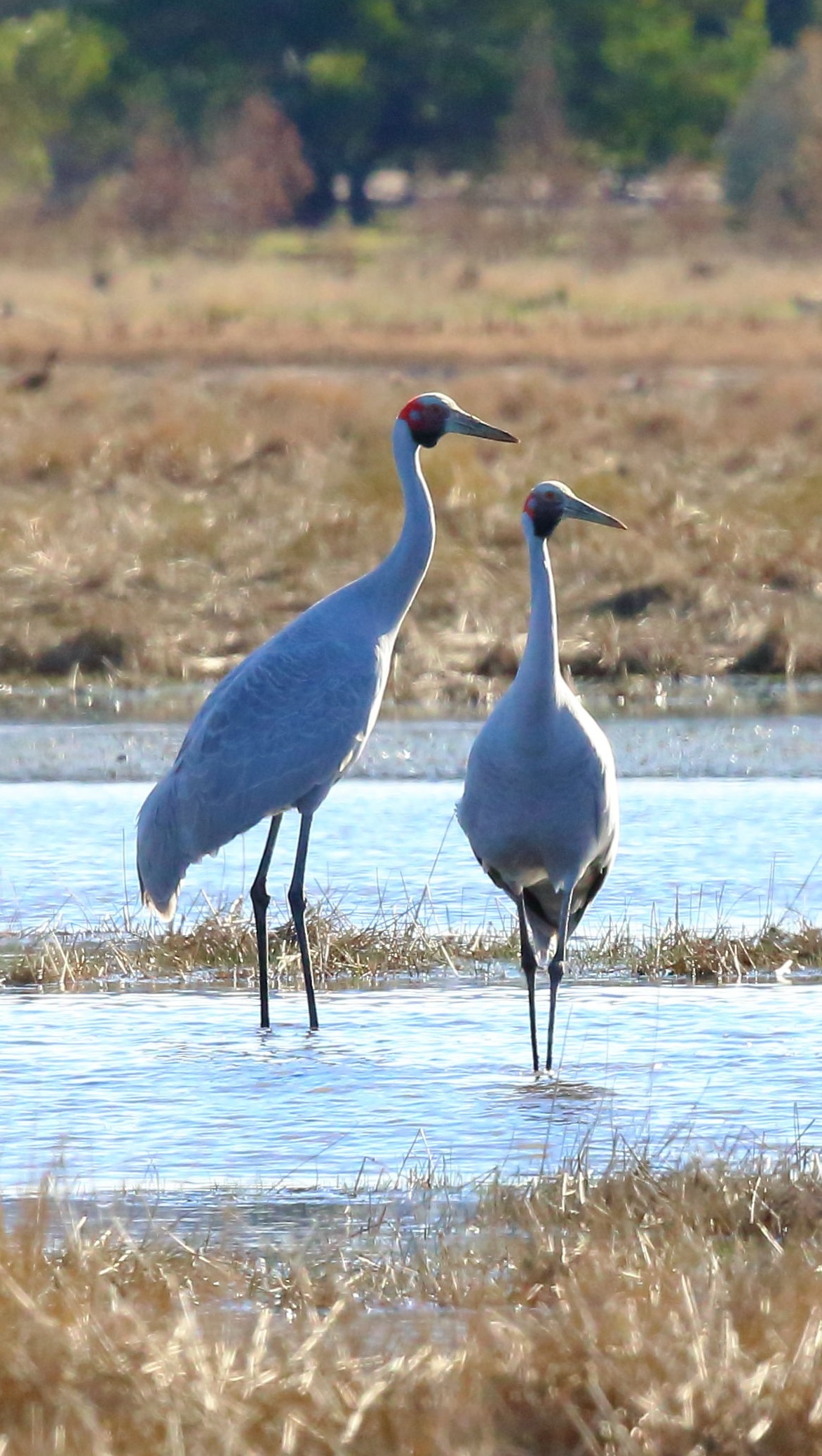
“I like to joke that when we get it right, we might even have the situation where one threatened species is seen eating another within the local food web,” Mark says.
“Growling grass frogs are actually a food source for brolga when they are abundant – and that’s the way it’s meant to be in a healthy ecosystem.”
“Wetlands are some of the most important ecosystems in Australia, and they’re under threat, not just here, but all over the world.
"Restoring them underpins the water, food, breeding and habitat systems that every living thing in that landscape depends on.” – Camille Goldstone-Henry, Bank Australia’s Nature and Biodiversity Manager
%20-%20resized.JPG)
Where Bank Australia comes in
Mark has personally banked with Bank Australia (then MECU) for almost 20 years. He figured it was also a natural, aligned choice for NGT’s banking when the organisation commenced operating.
“I really liked the philosophy of the Bank Australia conversation reserve,” he says. “We’ve been very happy to be banking with a bank that also does its bit for the environment.”
NGT’s broader work – including its restoration projects and monitoring programs – runs on grants, philanthropy and donations. Through Bank Australia, it’s previously received a community customer grant and two smaller bridging loans.
But the Wirey Swamp land purchase was a different story – a 350 acre area spread across two parcels of land that was too large and expensive to fund in one go. Splitting it into two stages was the only realistic option.
While fundraising for stage one ahead of settlement, NGT began pre-approval conversations with Bank Australia’s impact lending team for stage two finance.
“There was a level of preparation I found really helpful,” he says. “It meant that when the time came, we could make a more rapid decision to make the project happen.”
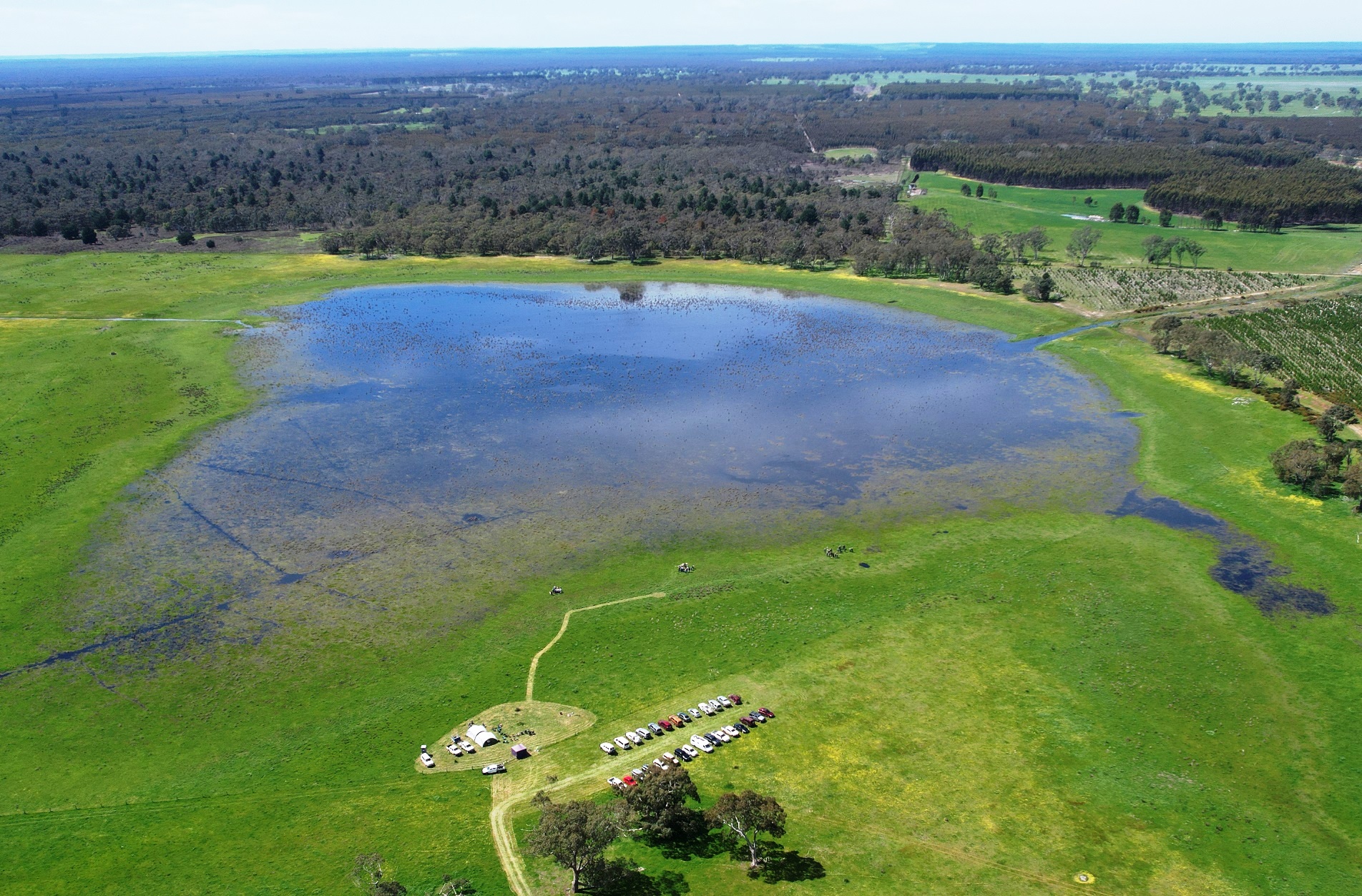
After settling and meeting its stage one fundraising target, NGT turned to stage two – the part temporarily funded by a Bank Australia impact loan, specifically to bridge the gap between when the property sale occurred and when NGT’s fundraising could catch up.
“This short-term finance option effectively let us smooth out the bumps, by better aligning the timing of the opportunity and the access to funding,” Mark says.
He says the impact lending team approached the arrangement as a genuine two-way conversation about what was possible for both organisations.
“There was just a really open, respectful, robust to and fro,” he says.
“Providing flexible finance to support the purchase of the Wirey Swamp Restoration Reserve is one of the things the impact lending team is here for,” said Tim Von Ess, Bank Australia’s Head of Impact Lending.
"We are proud to be helping an organisation like NGT make a positive impact on nature and biodiversity while offering the financial flexibility and pace that conservation projects require”.
Just before the end of FY26, almost 12 months after taking out the loan, NGT reached its stage two fundraising target, backed by public donations, donation matching and co-management arrangements with neighbouring properties. The impact loan is now settled.
For Mark, the Bank Australia impact loan to secure Wirey Swamp comes back to one word: confidence.
“The arrangement gave us the confidence, clarity and time to tackle this difficult project,” he says.
“The impact loan was ultimately the ingredient that made the whole arrangement feasible. Now that the land is secured, the ongoing restoration and conservation work can begin.”
-1200x800-5b2df79.jpg)