

Accessible Homes Australia has opened its latest milestone project: a 12-home village in Hervey Bay that's helping redefine specialist disability accommodation in Australia.
Not long after Urraween Village opened its doors, a woman wandered on to the site and asked how she could apply for one of the 12 villas.
There was one major obstacle, though: she wasn’t an NDIS participant.
She had no idea the beautifully designed homes were specialist disability accommodation (SDA). They just looked like somewhere she’d love to live.
“We have designed them to look like any desirable home that you might see in the community,” says Brianna Barry, the General Manager of Accessible Homes Australia (AHA), the organisation behind the build.
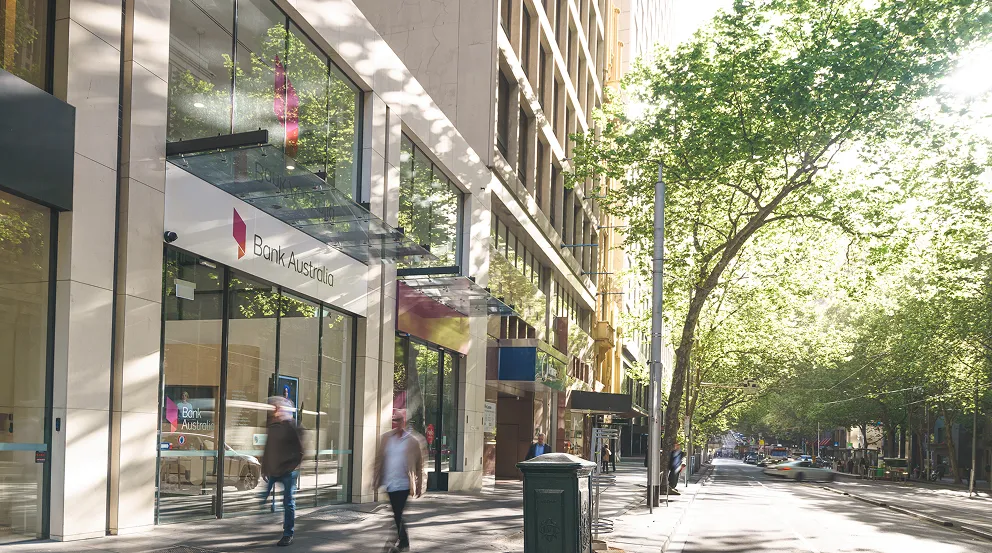
Urraween Village is located in Queensland’s Hervey Bay and was funded by a Bank Australia impact loan.
It’s the next evolution of AHA’s mission: to reshape what SDA looks like in this country, and – in doing so – change how its tenants live.
A model that suits regional Australia
Until now, AHA’s developments have involved SDA apartments being built into existing complexes in urban areas.
Urraween Village, which was completed earlier this year, is different.
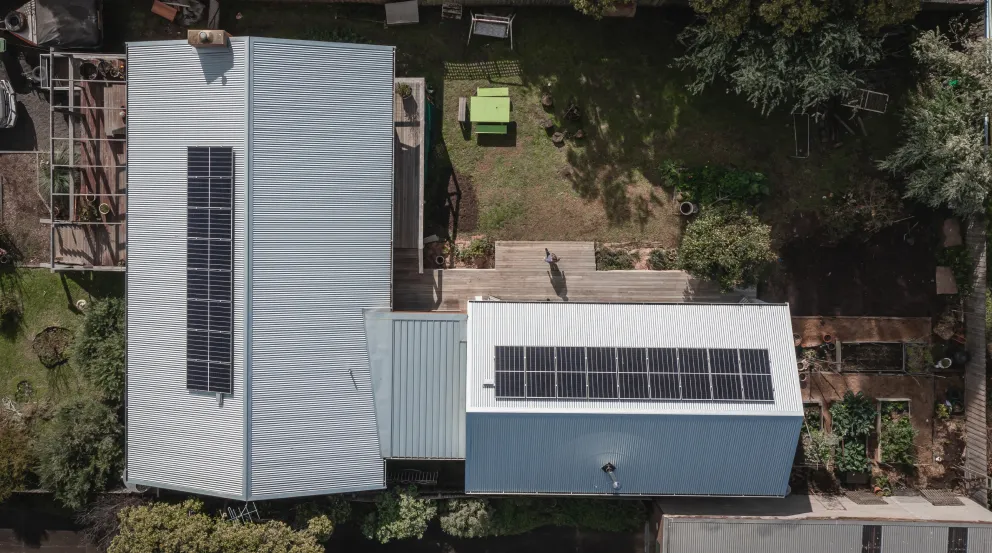
It’s AHA’s first standalone, “horizontal” model, made up of 12 villas – one per participant – in a secure, gated complex with shared facilities, including a pool, gym and media room.
This model and location were chosen for various reasons:
- Hervey Bay is within easy reach of AHA’s head office and has ample access to trade and services
- The town has higher-than-average rates of people living with disability
- Villas better reflect how people live in regional areas
- The site itself is centrally located, backs onto an accessible rail trail and has nearby local amenities, including a shopping centre and hospital.
Inside the villas
Each villa is built to High Physical Support (HPS) standard, the highest level of SDA design.
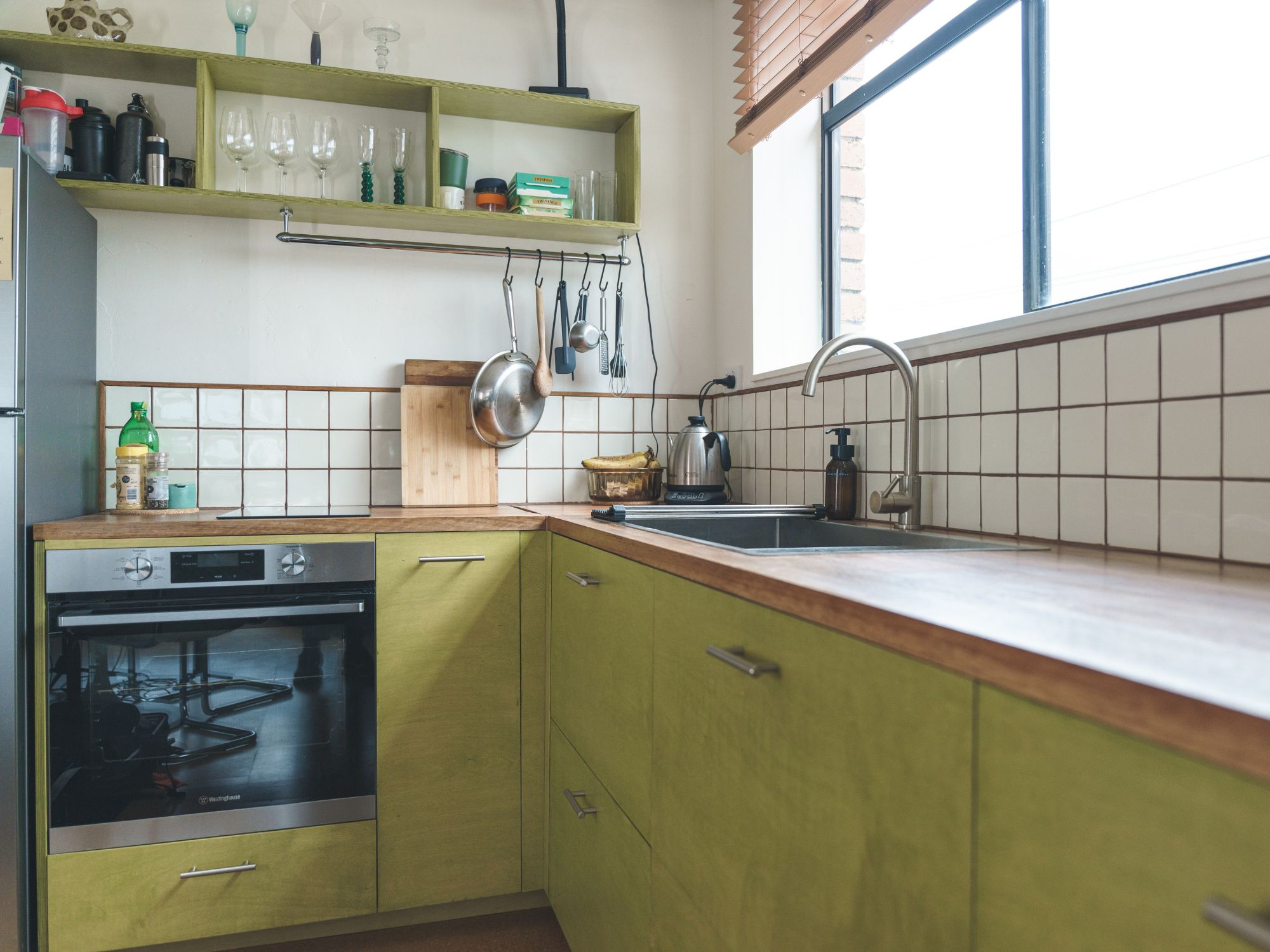
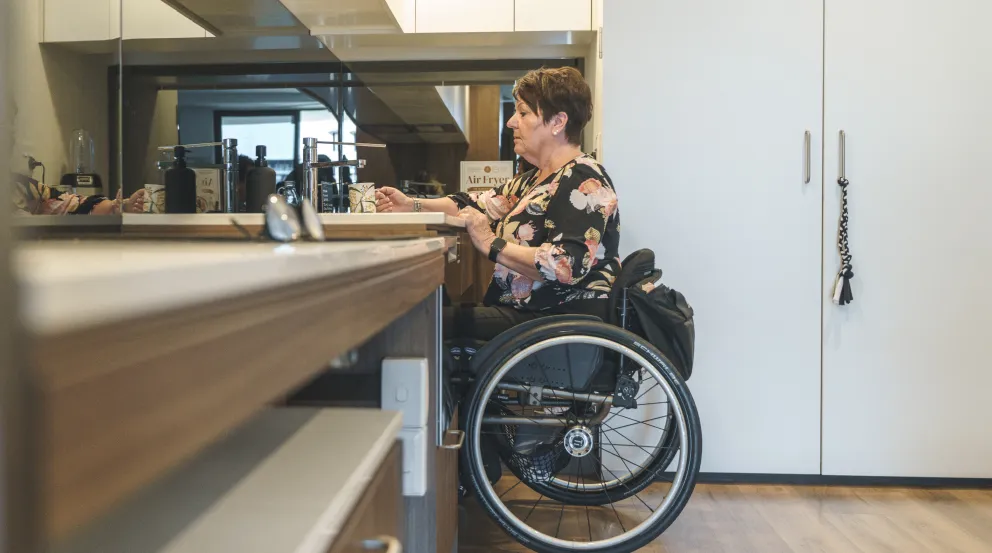
But there’s no trade off between accessibility and aesthetics. With wooden fittings, ample room to get around and plenty of natural light, the villas deliberately don’t look or feel clinical.
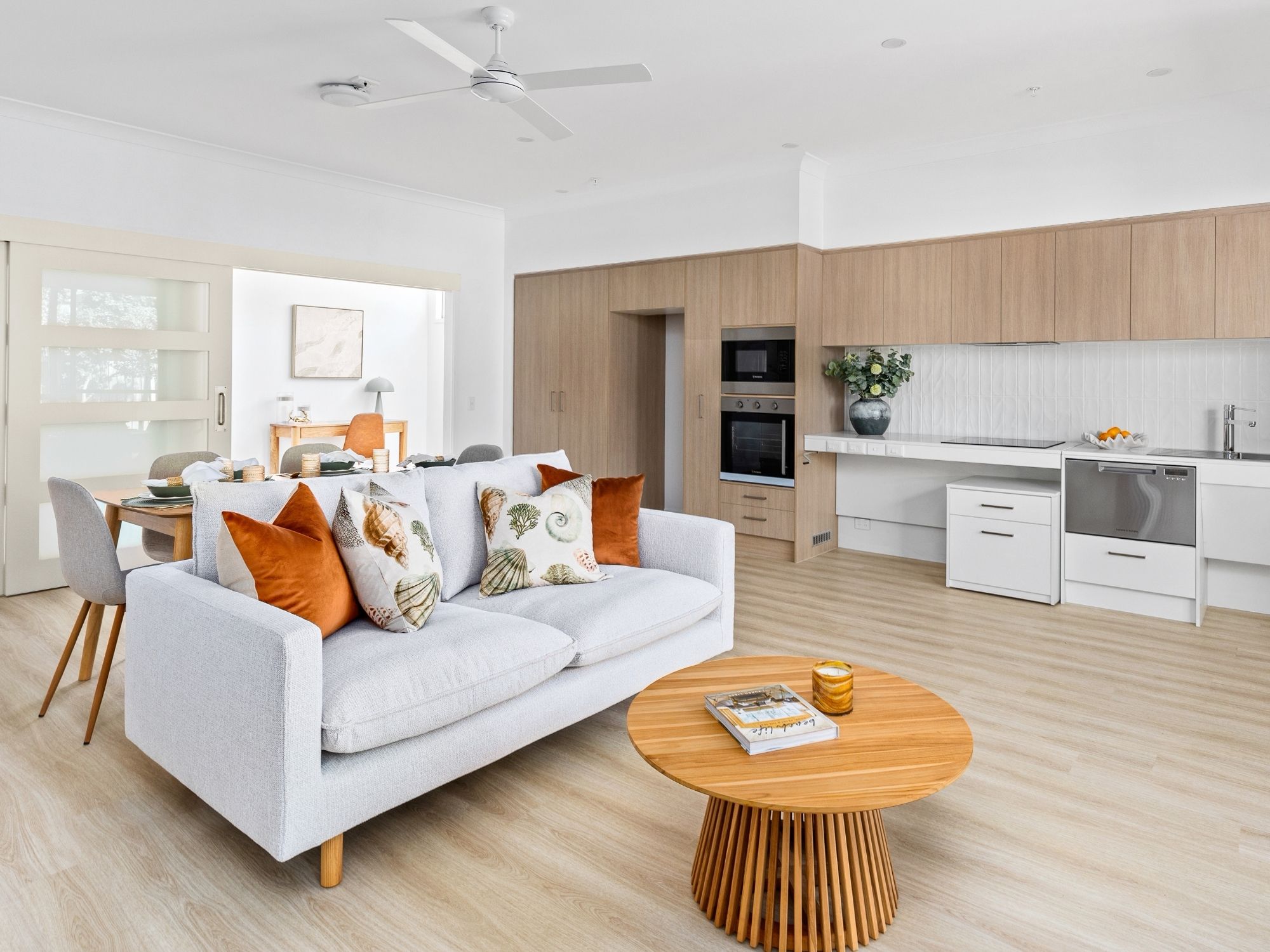
There’s a “provisional” approach to accessibility.
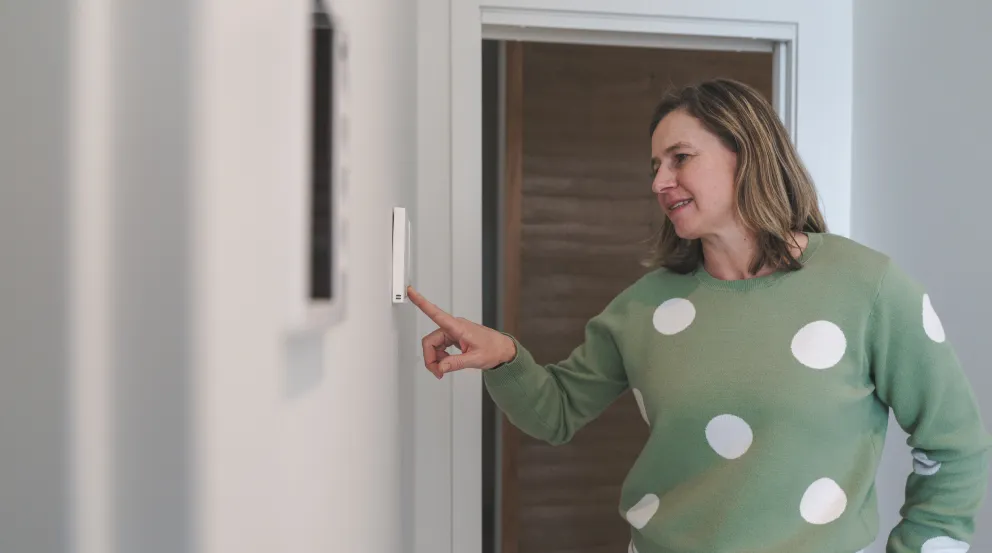
Features like ceiling hoists, automated doors and voice-activated lighting are built in as capacity, but aren’t mandatory for tenants who don’t need them.
“Different people have different needs,” Bree says.
“The more we treat people who are going to end up living in our homes like genuine stakeholders in what we're doing, the better the SDA market is going to become.”
Other features are just part of the build:
- Extra wide doorways and zero thresholds
- Height-adjustable, side-opening kitchen benches
- A multipurpose room per villa, the use of which is entirely up to the tenant (current uses include a guest room, home office and art studio)
- A second bathroom, so no-one has to move through the tenant’s bedroom to reach a shower
- Back-up power to keep equipment and hoists running during an outage.
The impact on tenants’ lives
Like AHA’s other projects, Urraween Village provides around-the-clock shared support for its tenants by an on-site support worker.
This means tenants can call on help exactly when they need it, and not have to plan around their independent support roster (which remains entirely in their control).
AHA co-founder and CEO Perry Cross, who has lived with disability for over 30 years, says that on-call safety nets are what’s been missing from disability housing for decades.
“The housing is the easy bit,” he says. “Finding great quality care and support is actually very challenging."
Bree and Perry say that having safe, stable and suitable housing, along with that shared support, is changing lives in big and small ways:
Having the pool and gym on site means tenants can exercise, without the travel and cost of going to a clinic.
“Exercise for people with disabilities is just important as it is for anyone else,” Perry says.
Couples can be partners again, moving beyond the carer-patient relationship.
“There’s a reunification that can happen when people have their own homes,” Bree says.
One resident, who was previously living in shared accommodation, is now able to co-parent her toddler more often.
“That second bedroom is used for her son, which is really special,” Bree says.
Tenants can live more spontaneously instead of planning their day-to-day around their care roster and appointments: “It’s helped a lot of people sleep in on a Sunday,” Bree says.
How a Bank Australia impact loan helped
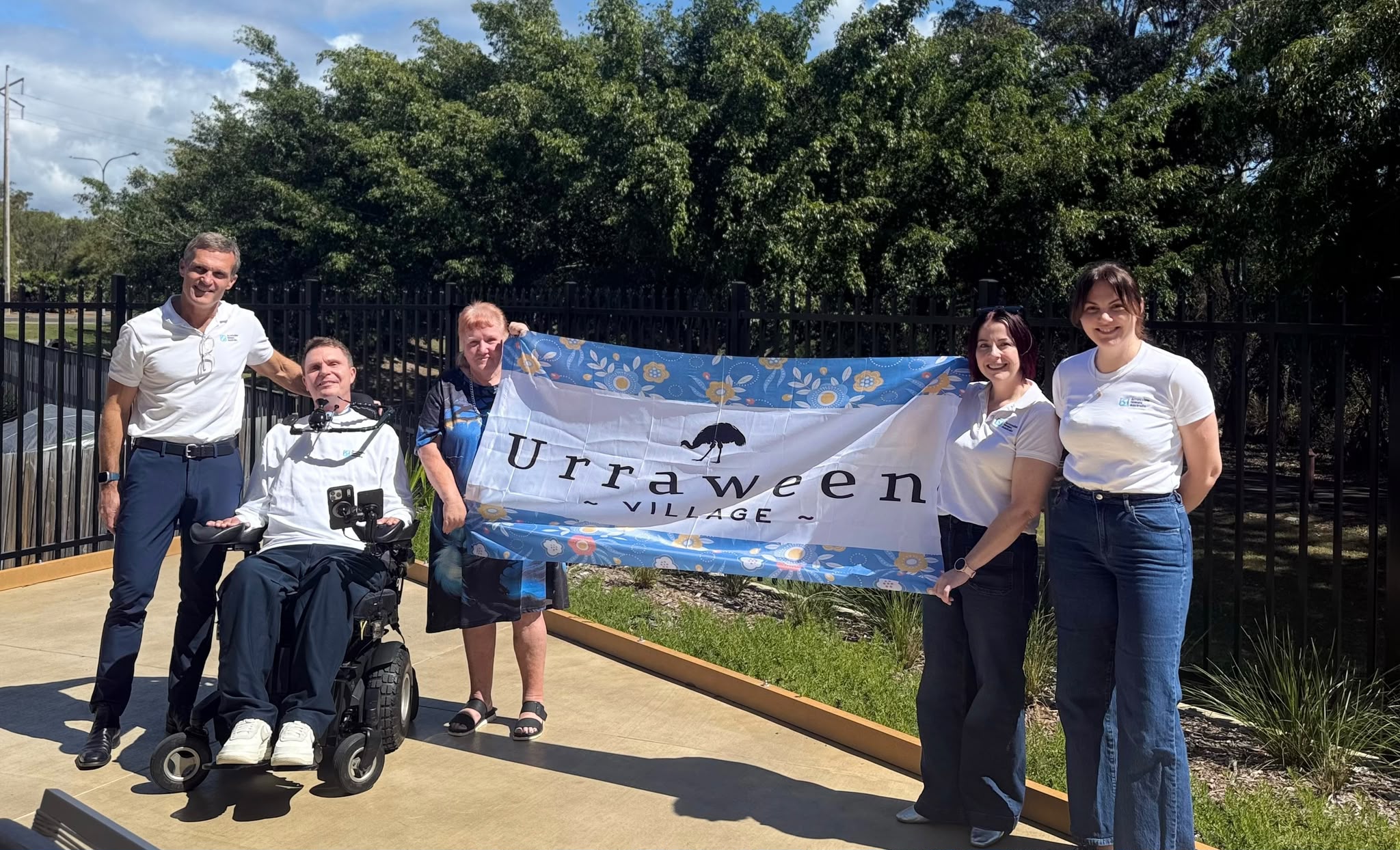
The Urraween Village project was funded by a Bank Australia impact loan, building on a long-standing relationship between AHA and the bank.
Perry describes it as different to a typical lender-debtor relationship. “We're both vested partners in this project," he says.
“Without Bank Australia, it wouldn't be possible. It’s important that we’re building national generational infrastructure for people with disabilities.”
Bank Australia was the first bank in the country to lend to organisations building SDA, and this values alignment has had real-world impacts on the project.
For example, Bree says amenities like the pool, gym and media room could have been considered “luxuries” by a lender without that level of commitment.
“It was that shared understanding of the purpose of this type of housing that allowed us to make sure it's not just the bare basics – it's something that's going to help people flourish."
Nicole Chen, a Senior Manager of Impact Lending at Bank Australia, says, “we’re proud to continue supporting AHA with the delivery of purpose-built SDA homes in a regional area of need.
"Urraween Village will enable people living with disability to live with greater independence, choice and connection to their local community. AHA genuinely cares about the impact of their homes on the resident.
"They go above what is required in SDA housing, delivering spacious, well located, high amenity and desirable homes for participants with an onsite shared support model.
"We’ve been lucky enough to meet many of AHA’s residents and have seen first-hand the transformational impact that an AHA home has had on their lives.”
The struggle to meet demand, and what’s next
When they set out, AHA wasn’t sure if this model would even work.
Before the build was complete, they had over 70 enquiries for the 12 villas. Nine villas have been allocated, and there are 21 people on the shortlist for the final 3.
For Bree, the question has moved from “is this going to work?” to “how can we house everyone?”
Now, it’s a proven concept that they’re hoping to replicate in many more regional communities.
And the numbers back it up. Under this model, AHA estimates an annual saving of $70,000 per person for the NDIS in support costs compared to a three-person shared home.
But for Perry, the wins go beyond that. “We've designed something that is world class, it’s a first for Australia, and the impact is immeasurable,” he says.
“The amount of times we've seen people move in and then just have the bandwidth to focus their energy elsewhere on the goals that they actually want to pursue… when you take the weight of the world off people's shoulders, we can truly see them flourish.”