{ "@context": "https://schema.org", "@type": "Article", "mainEntityOfPage": { "@type": "WebPage", "@id": "https://www.bankaust.com.au/blog/{{slug}}" }, "headline": "{{title}}", "description": "{{desc}}", "image": "{{image}}", "author": { "@type": "Organization", "name": "Bank Australia", "url": "https://www.bankaust.com.au/" }, "publisher": { "@type": "Organization", "name": "Bank Australia", "logo": { "@type": "ImageObject", "url": "https://cdn.prod.website-files.com/64d5d5beb2a67e9491ecdff8/64d5d5beb2a67e9491ece00c_BA-logo-white.webp" } }, "datePublished": "{{datePublished}}", "dateModified": "{{dateModified}}" }
Skip to main content
Alert notice

Wednesday 4 November: Following the RBA’s decision to change the official cash rate, interest rates for owner-occupier, investor and commercial variable loans will increase by 0.25%, effective 19 November 2026. From 19 November 2026, deposit rates across the majority of savings products will also increase by 0.25%. Find out more.

2026-03-04 2:26 pm
Back to blog
Impact

This tool helps women map street harassment around Australia

Photo journal

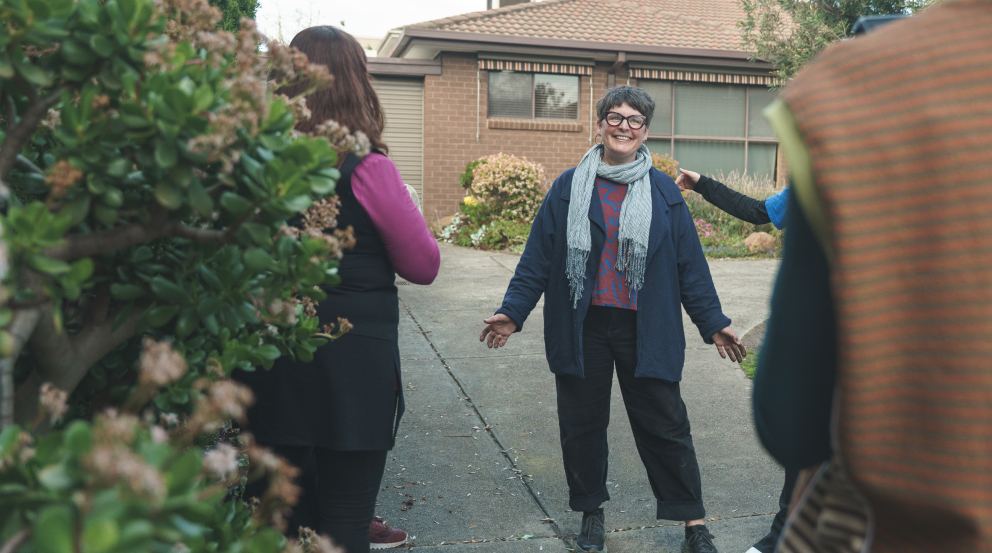
Bank Australia customer and one of our People Australia Needs for 2021, Zoë Condliffe, has long been advocating for gender equality and making our cities safer for women. Here, she tells us about her website, She’s A Crowd, which allows people to anonymously report their experiences of assault, harassment and sexism.

This piece talks about sexual assault and harassment. If you need someone to talk to, contact 1800RESPECT on 1800 737 732 or via live chat on their website.

I’ve always been passionate about social justice and advocating change in the community. Like many women, and also people in the trans and non-binary spaces, I’ve had personal experiences with gender-based violence and sexual harassment, which has led me to wanting to make real change.

It’s why I started She’s a Crowd, an anonymous story-telling platform where anyone can share their experiences of sexual assault, harassment, gender violence, or everyday sexism. We make sure your story gets to the people who need to hear it: those who design our cities, policymakers and others in decision-making positions.

‍

How the site works

It’s up to the user how much they want to share – every field on the website is optional, but users can share qualitatively what happened in their own words. If a woman is verbally harassed while she’s holding her girlfriend’s hand, she can tell us she experienced a combination of sexism and homophobia, or racism and transphobia. We allow people to make that assessment of why they’ve experienced this abuse for themselves, if they can. Often it’s not as simple as ‘only’ sexism.

She’s a Crowd removes the barrier to reporting that so many women and non-binary people face; in Australia, it’s estimated that only 15% of sexual assaults are reported. The site allows us to collect data in a way that’s safe and empowering for the user, analyse it, and then provide insights to decision makers in government – this is a really powerful way to create change. We’re able to gather information from people who have experienced a vast number of different types of gender inequalities, from assaults to catcalling, and map where they’re occurring; that sort of data isn’t being collected by anyone else.

Soon the site will have a dashboard that will allow people in government to access live insights; they’ll be able to see what’s occurred in the area they’re working in, and access high-level statistics about what people are experiencing.

Sharing your story, whether it happened last week or last year, can be an important step in processing your experience, or finding closure. Stories shared on She’s a Crowd will help us compile important data on gendered violence that, we hope, will lead to a safer society.

A constant sense of vigilance

Women, trans and non-binary people experience gender-based violence and inequality in ways that many men probably wouldn’t even notice. One of the biggest, particularly for trans and non-binary people, is always being aware of who’s around them and who might be walking behind them, especially after dark. More than one in four trans people has faced a bias-driven assault; these numbers are even higher for trans women and trans people of colour.

We’re constantly thinking up ways to stay safe and protect ourselves – wearing headphones with no music so you can hear what’s going on around you, carrying your keys, sharing your location with a friend or partner… It’s a huge piece of mental labour to take on, constantly assessing and managing risk.

Cities weren’t designed with women in mind – women were always meant to stay at home and look after the children. Now we’re expected to use the city in a very similar way to men, but our experiences are so different. How we navigate the city and the challenges we face are completely different, and not that well understood. Almost all of the street names and building names are named after men. The only statue of a woman in Melbourne CBD is the Queen, and she’s not even Australian.

Helpful resources

There are also a number of ways men can be better allies and help make our cities safer, and women feel more comfortable in them. Simple things like crossing the road if you’re walking towards or behind a woman, particularly at night, and being aware of how much physical space you take up on public transport, at work, or in cafes and restaurants.

One of the best things men can do to help is to educate themselves on women’s experiences. Follow Instagram accounts like She’s a Crowd and Equality Institute. Read books and listen to podcasts made by women – these are a few of my favourites:

Books

- Data Feminism by Catherine D'Ignazio and Lauren Klein

- Trick Mirror by Jia Tolentino

- Bad Feminist by Roxane Gay

- Living a Feminist Life by Sara Ahmed

Podcasts

- The Guilty Feminist

- Big Sister Hotline

- Witch, Please

We’re proud to have Zoë as a Bank Australia customer. Find out more about other Bank Australia people here.
Related stories

Impact

How the Help to Buy Scheme helped one renter stay in the home she loved

For many renters, buying a home means leaving the community they’ve built. But for Katherine, the Australian Government Help to Buy Scheme meant she could stay put, buying the home she and her daughter were already renting.

People

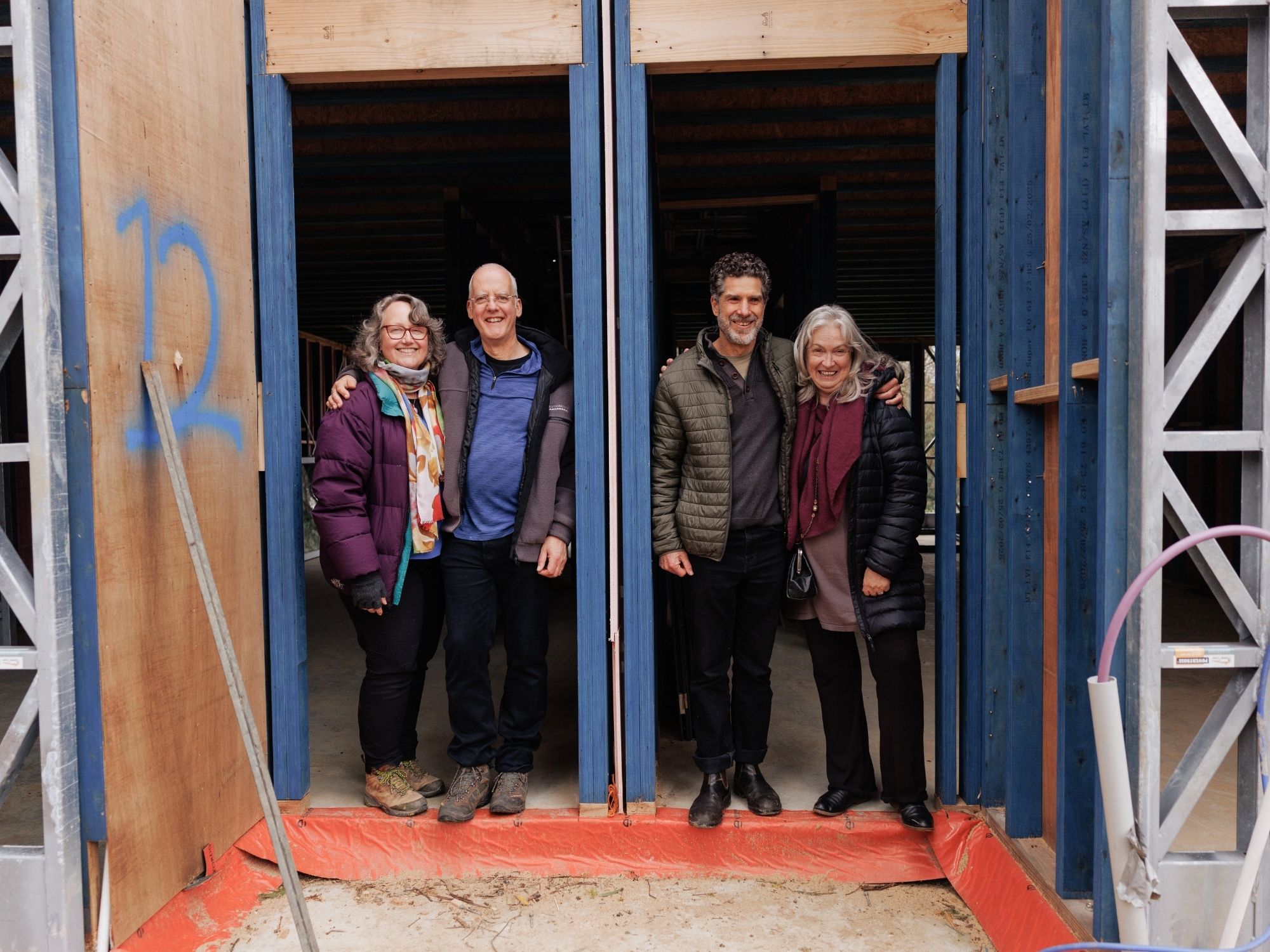
How 41 people came together to build their own community

Impact

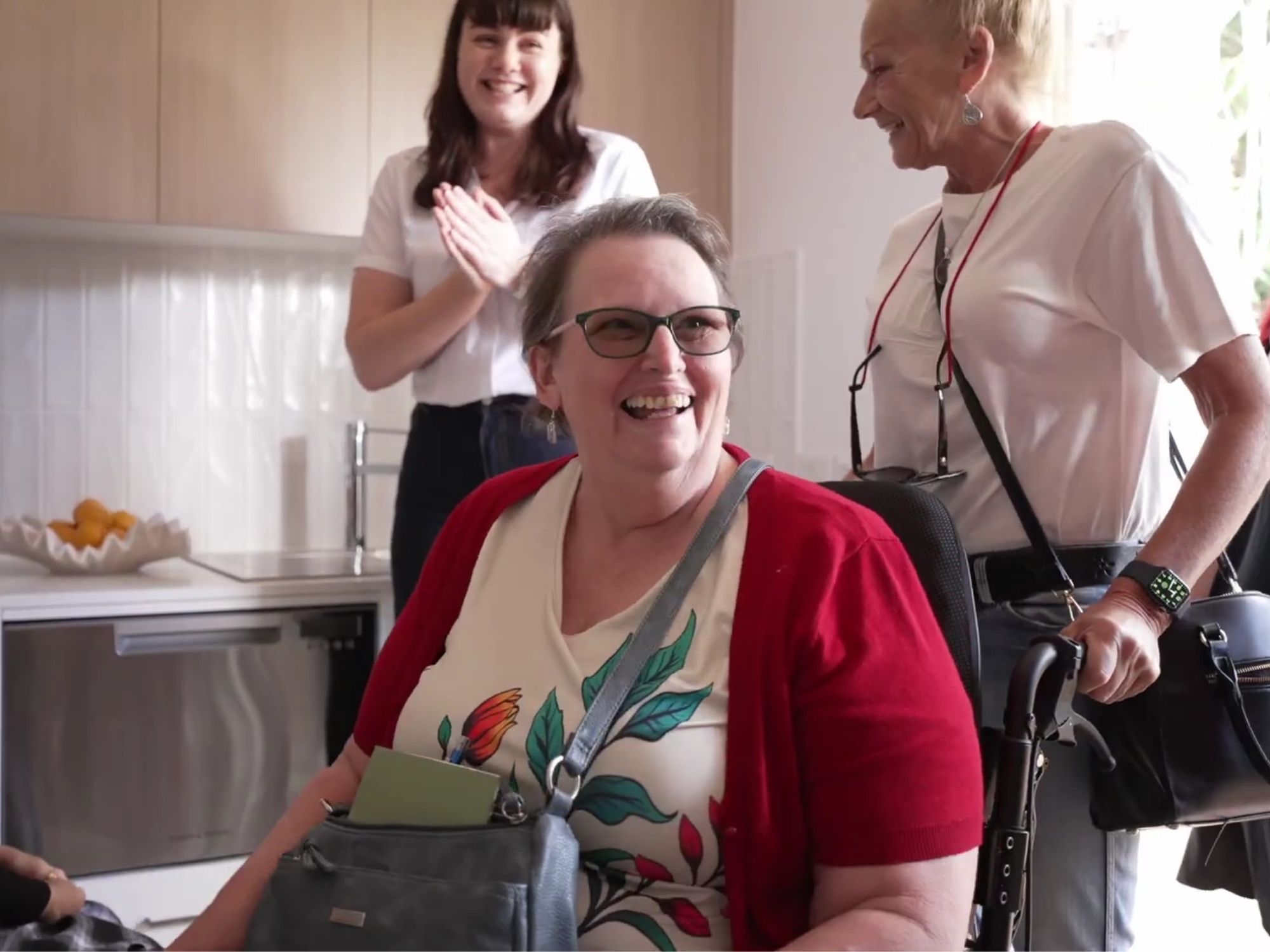
These Hervey Bay villas are helping redefine disability housing in regional Australia

Impact

Open Table is rescuing food waste and feeding the community

Impact

Meet the organisations supported by our 2026 community customer grants program

Impact

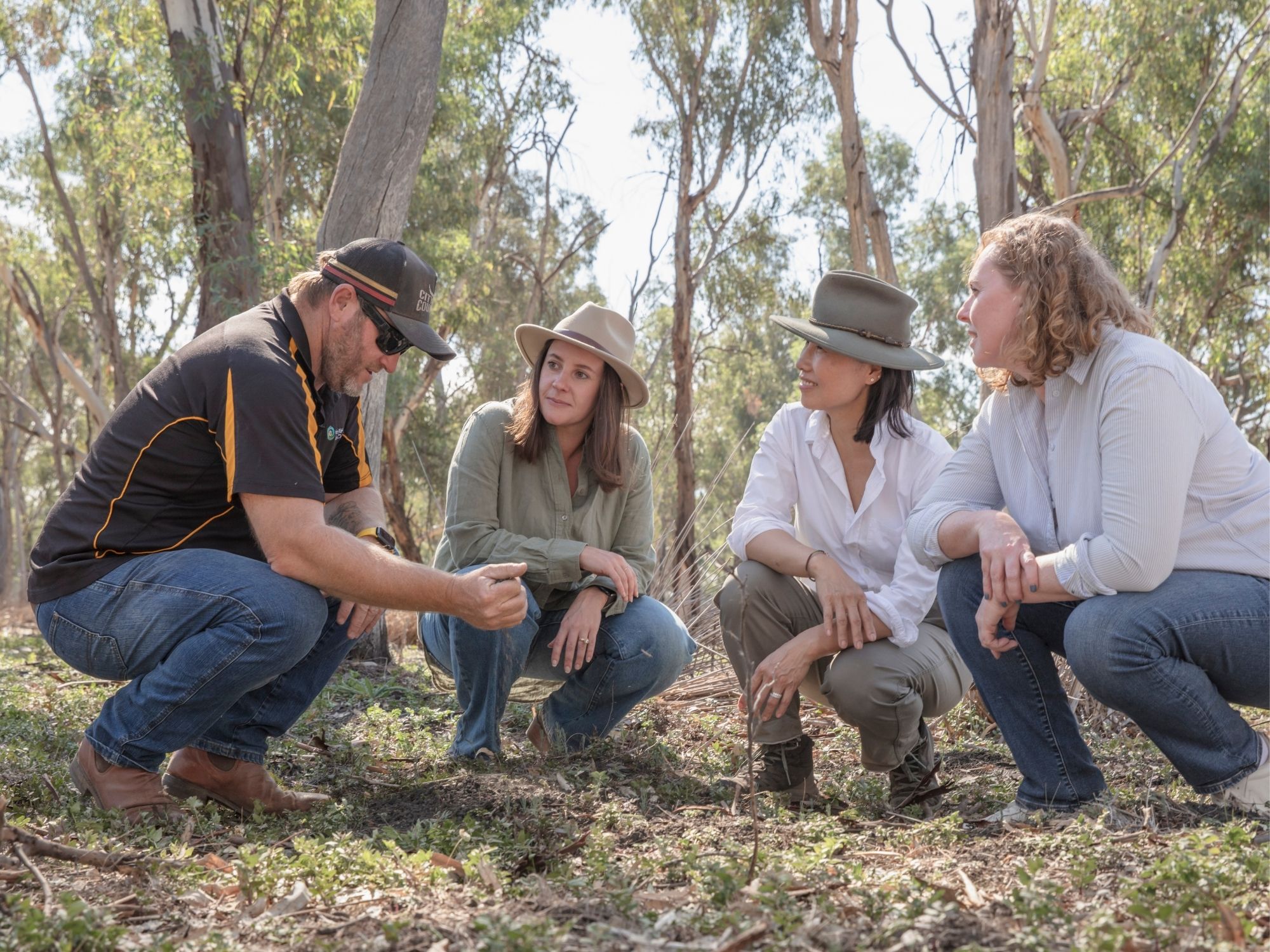
Caring for Country: How the Nari Nari People are restoring a vital wetland

Impact

Empowering First Nations entrepreneurs: The impact of First Australians Capital

Discover how First Australians Capital is empowering First Nations entrepreneurs with culturally informed finance, business support and long‑term impact.

Learn more about First Australians Capital.

Impact

How Bank Australia’s new Impact Term Deposit works – and where your money goes

Want to grow your savings while helping fund targeted positive impact for people and the planet? Our new Impact Term Deposit could be for you.

Impact

Extreme heat in NSW rentals: Why Bank Australia is backing Sweltering Cities

We've partnered with Sweltering Cities to support renters in NSW dealing with extreme heat. Here's what the partnership involves and how you can get involved.

Impact

Native planting: Sustainability and biodiversity for your garden

Impact

How to stay warm (and keep bills down) this winter

Feel like you’re constantly trying to stay ahead of the chill in your home? You’re not alone. Whether you’re renting, renovating or just trying to cut costs, here are an expert’s practical tips on staying warm and saving energy this winter.

Impact

We're continuing our partnership with Seed Indigenous Youth Climate Network

From leadership summits to frontline campaigns, Seed Indigenous Youth Climate Network is driving First Nations-led climate action across Australia. Here's how we're supporting them.

Impact

What B Corp certification actually requires of Bank Australia and what it means for customers

Every March, B Corp Month gives certified companies a moment to reflect. Bank Australia asked our Impact Integrity Manager Renzo Mori what the certification means in practice, and what it means for customers.

Impact

Customer ownership makes banks bolder, and that’s what we need right now

In an era of climate urgency, housing stress and deepening inequality, the way our banks are structured matters more than ever. Customer-owned banking removes some of the barriers to long-term, values-driven action, and it may be the model the world needs the most right now.

News

Partnering with Environment Victoria to support household electrification

We’re proud to announce our partnership with Environment Victoria, an independent charity working to build a thriving, sustainable society that protects and values nature.

Impact

The ‘growler’ at Wirey Swamp: A long-awaited frog call in Victoria's changing landscape

Last spring, a ‘chorus’ of growling grass frogs were heard at a Nature Glenelg Trust restored wetland for the first time, a hopeful sign for the vulnerable Australian amphibian.

Impact

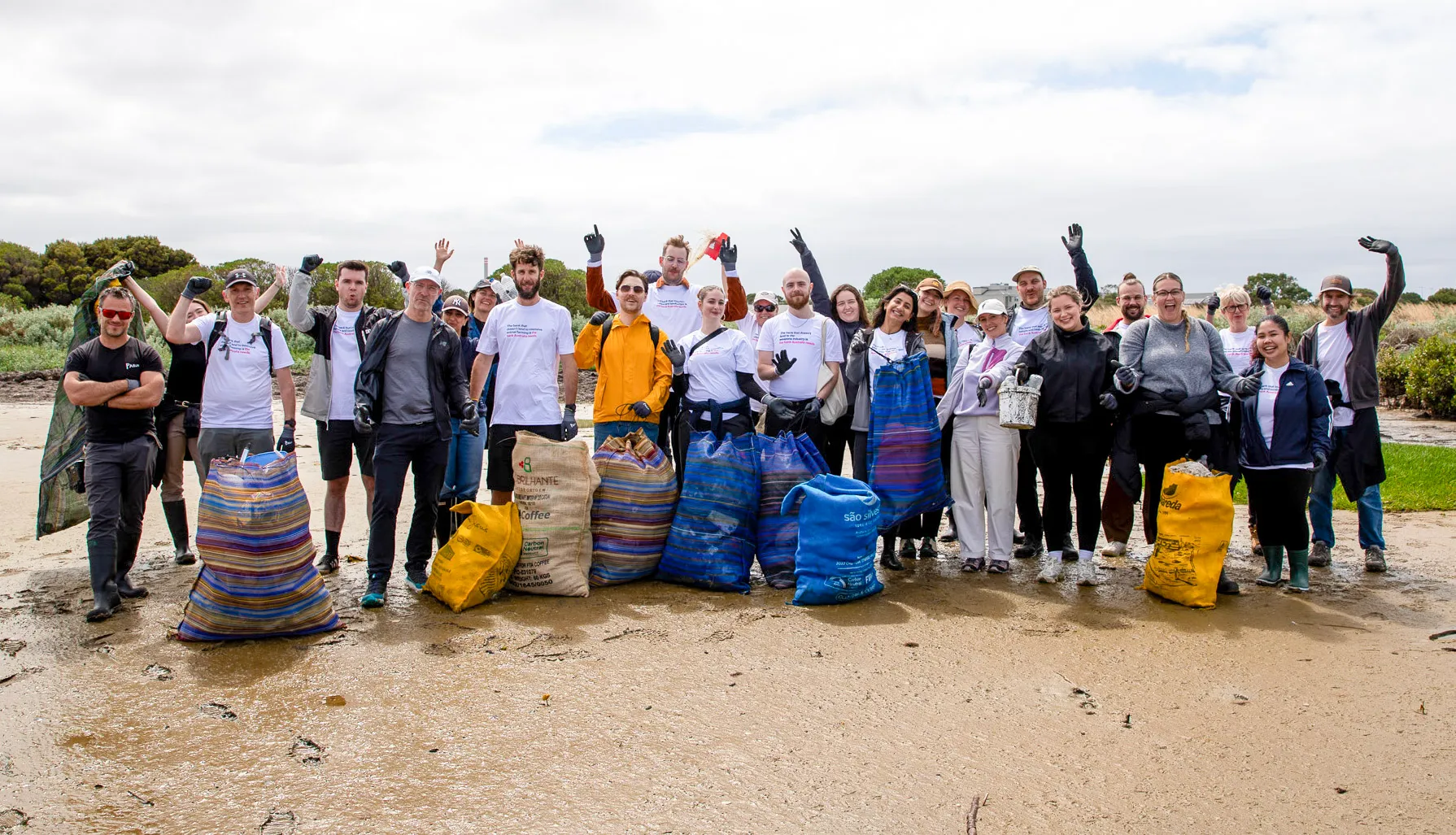
A beach cleanup won’t solve marine pollution. We did one anyway. Here’s why it mattered.

A firsthand look at Bank Australia’s beach clean‑up with Parley for the Oceans, exploring where ocean plastic really comes from, why systemic solutions matter, and how recycled‑plastic bank cards support a more sustainable future.

Impact

How switching to an ethical bank can help safeguard Australia’s ecosystems

On World Wildlife Day, we celebrate the species that make Australia extraordinary.

Planet

Why speedy recovery after bushfires is critical for wildlife and local landscapes

The weeks after a fire can determine whether wildlife and landscapes recover - or whether damage becomes permanent.

Impact

How Bank Australia supports people with disability

To mark International Day of People with Disability, we’re reflecting on some of the ways that Bank Australia is working to improve accessibility and inclusion across our banking, our partnerships and our impact.